
chromosomes - Master This Word
Master this word with our 5-step learning method – Learn English in English
Train English Through Brain Routes, Not Translation.
This page helps you stop memorizing isolated translations and start understanding a word through its shared mental image, native-style thinking, and practical training steps.
Master this word with our 5-step learning method – Learn English in English
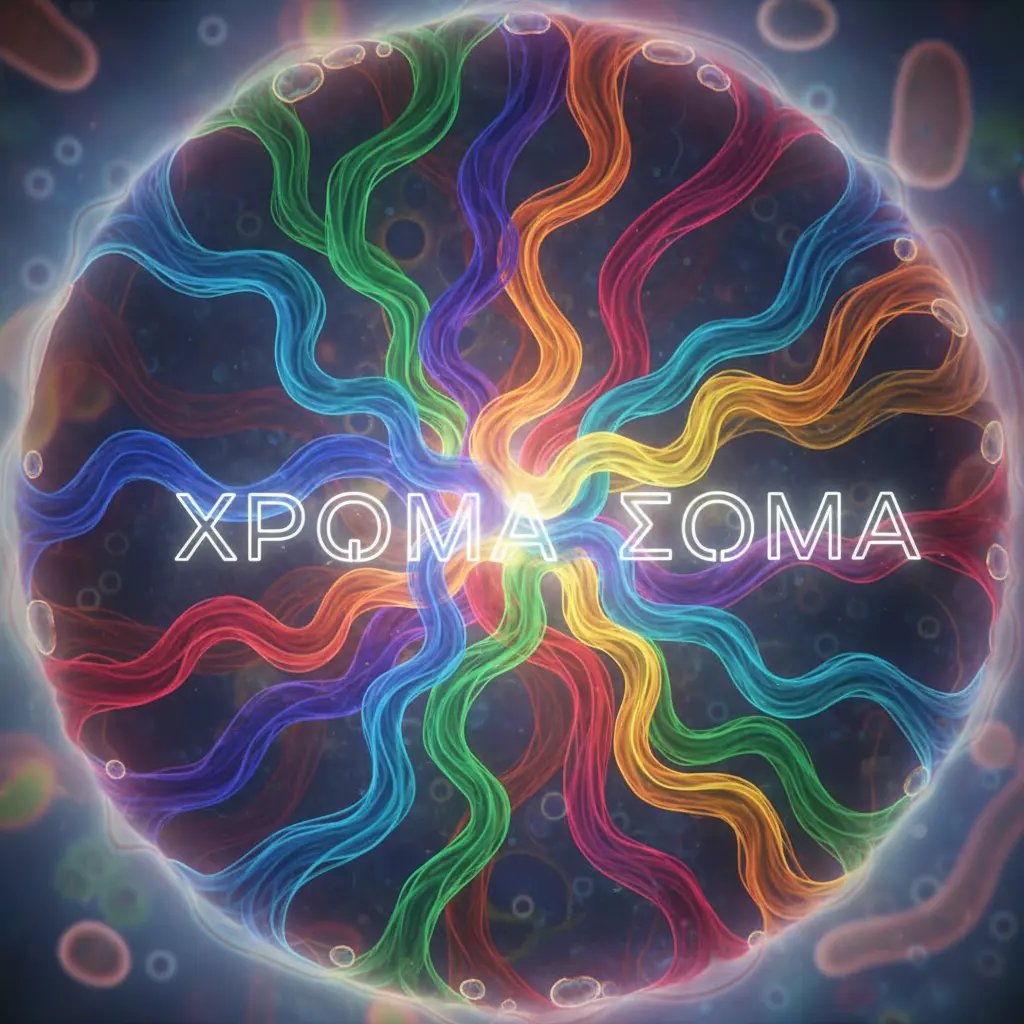
Example sentences are the start of understanding. Don't rush to memorize. First feel how the word works in a sentence.
From 'chromo-' (color) + 'soma' (body), indicating a colored body in the cell nucleus. Originating from Greek, through Latin to English. Visualize chromosomes as vibrant colored threads weaving through the nucleus, representing the essence of life.
Note 1: These definitions and etymologies are not standard dictionary definitions, but extended explanations provided to help with memorization and understanding of the actual application of words. Through this background information, we strive to make words more vivid and easier to understand, and help you remember their meanings in real life.
Note 2: LexiTalk designs the learning flow around the linguistics principle of “Comprehensible Input.” When learners encounter material that is slightly above their level but still understandable from context, the brain naturally absorbs the language. That’s why we keep every word inside authentic contexts, using examples and associations to help you understand it and use it flexibly.
Read the FAQ explanation of Comprehensible InputA chromosome is a threadlike structure of nucleic acids and proteins found in the nucleus of eukaryotic cells. It carries genetic information and represents heredity in a physical form. Humans have 23 pairs of chromosomes that organize DNA into genes and regulate development and inherited traits. The term comes from Greek roots meaning color and body, a nod to colored images historically used to visualize chromosomes under the microscope. In modern biology, chromosomes are dynamic DNA-protein complexes that condense and decondense during the cell cycle, linking structure to function in every cell.
In English, chromosome is used as both a countable unit and a broad concept; learners often mix it with gene or genome or overemphasize the colored-thread image.
Download LexiTalk app for personalized learning experience
Download AppCookies
We use cookies for essential site functions, analytics, and ads. You can accept, reject, or manage preferences. Privacy Policy