
cinematography - Master This Word
Master this word with our 5-step learning method – Learn English in English
Train English Through Brain Routes, Not Translation.
This page helps you stop memorizing isolated translations and start understanding a word through its shared mental image, native-style thinking, and practical training steps.
Master this word with our 5-step learning method – Learn English in English
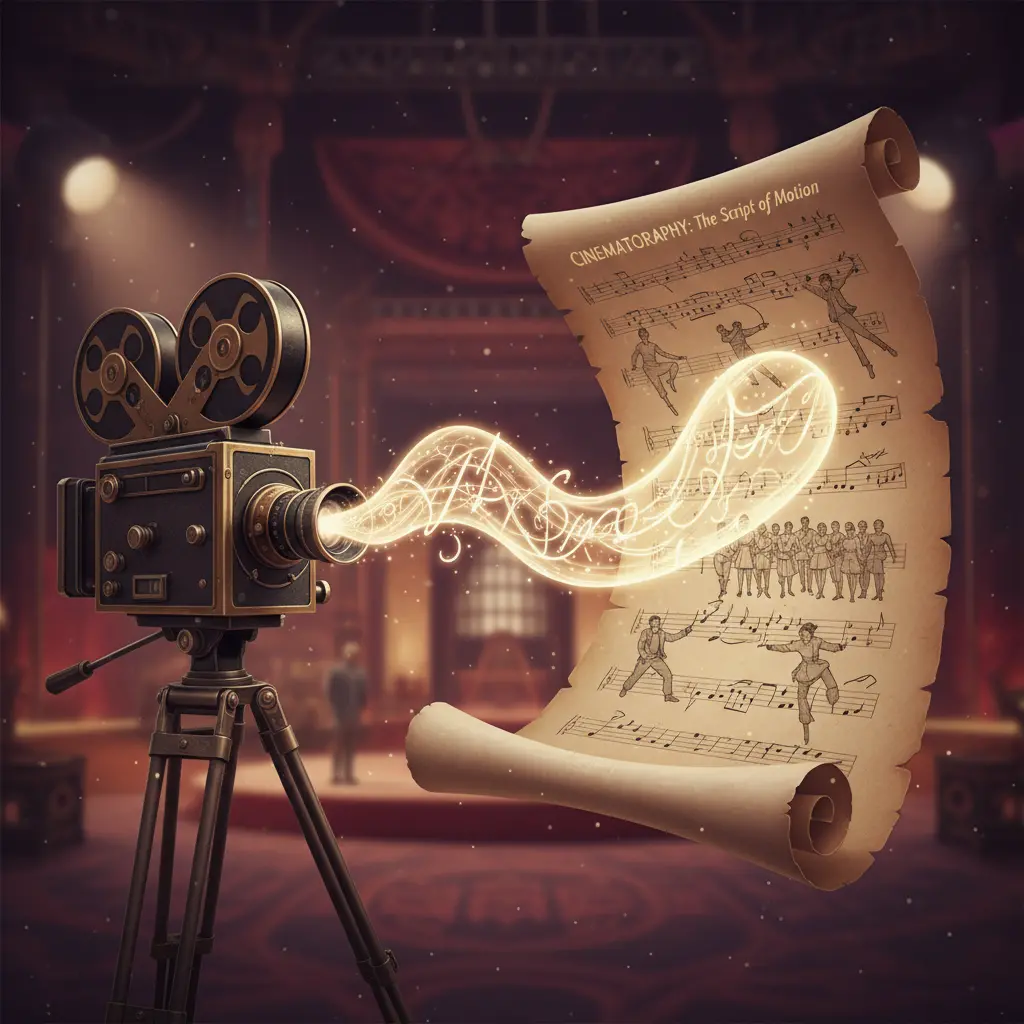
Example sentences are the start of understanding. Don't rush to memorize. First feel how the word works in a sentence.
Root decomposition: 'cine-' (related to movement) + 'matography' (writing), Historical origin: Greek → Latin → Old French → English, Memory image: Imagine a camera writing down the movement of actors in a scene, capturing their actions like a script.
Note 1: These definitions and etymologies are not standard dictionary definitions, but extended explanations provided to help with memorization and understanding of the actual application of words. Through this background information, we strive to make words more vivid and easier to understand, and help you remember their meanings in real life.
Note 2: LexiTalk designs the learning flow around the linguistics principle of “Comprehensible Input.” When learners encounter material that is slightly above their level but still understandable from context, the brain naturally absorbs the language. That’s why we keep every word inside authentic contexts, using examples and associations to help you understand it and use it flexibly.
Read the FAQ explanation of Comprehensible InputCinematography is the art and craft of capturing moving images on screen. It encompasses camera work, lighting, framing, composition, color, and camera movement, all aimed at telling the story and shaping the viewer's emotional experience. In film and television, cinematographers collaborate with directors to translate a script into visual language, choosing lenses, shot types, and pacing. The term covers both the technical aspects of recording photographs and the artistic decisions that give a film its signature look. Good cinematography supports mood, pace, and narrative clarity, guiding viewers through scenes and highlighting character perspective. It differs from directing or editing, focusing specifically on how visuals are captured and presented.
English speakers often separate cinematography from directing and editing, focusing on the camera’s role in shaping mood and perspective. Learners may confuse cinematography with simply operating the camera or with editing pace. Emphasize how lighting, framing, and lens choices create a film’s signature look.
What is the meaning of 'cinematography'?
Choose the correct usage of 'cinematography' in a sentence:
Which word is most similar to 'cinematography'?
What is the opposite of 'cinematography'?
Can you think of a real-life scenario where 'cinematography' plays an important role?
Download LexiTalk app for personalized learning experience
Download AppCookies
We use cookies for essential site functions, analytics, and ads. You can accept, reject, or manage preferences. Privacy Policy