coals - Master This Word
Master this word with our 5-step learning method – Learn English in English
Train English Through Brain Routes, Not Translation.
This page helps you stop memorizing isolated translations and start understanding a word through its shared mental image, native-style thinking, and practical training steps.
Master this word with our 5-step learning method – Learn English in English
Example sentences are the start of understanding. Don't rush to memorize. First feel how the word works in a sentence.
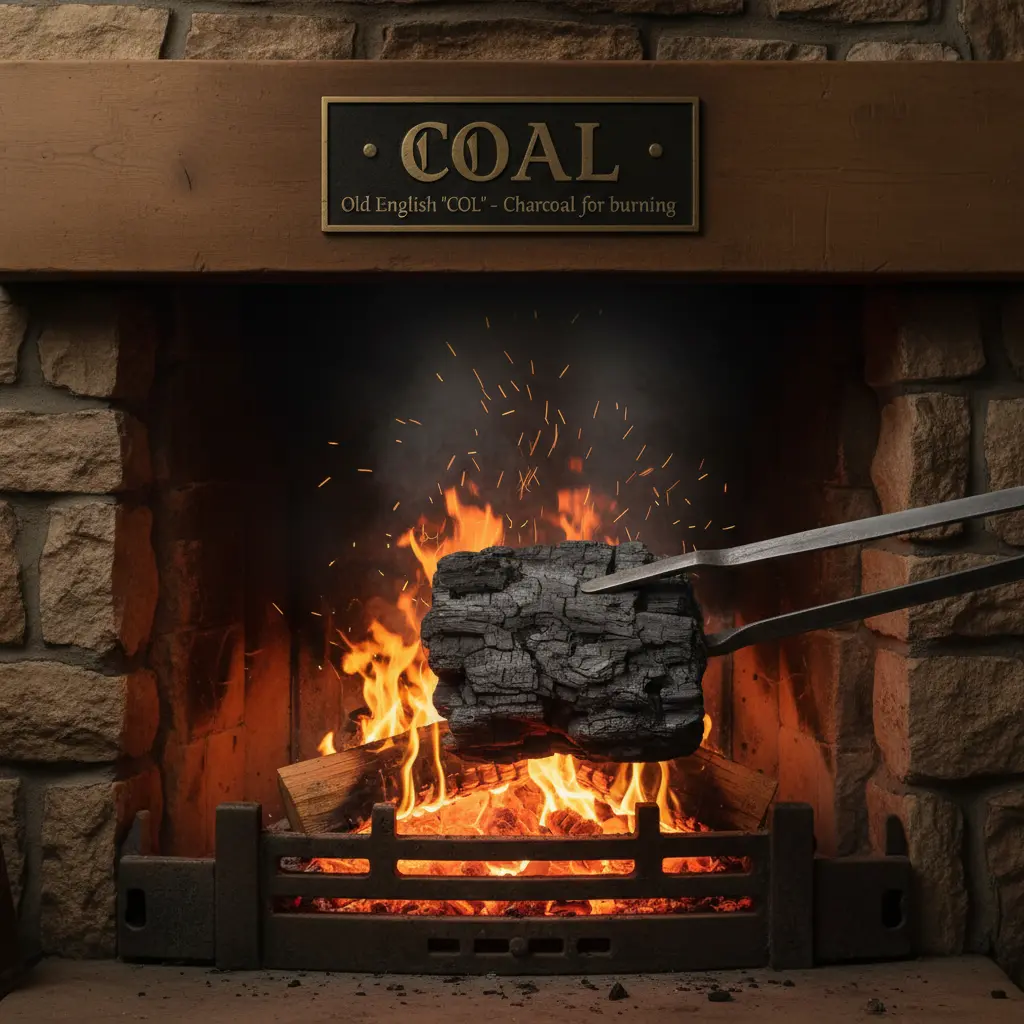
coal = 'coal' from Old English 'col', which generally referred to charcoal to be burned. To remember, picture a black lump being placed in a fireplace, radiating warmth and energy.
Note 1: These definitions and etymologies are not standard dictionary definitions, but extended explanations provided to help with memorization and understanding of the actual application of words. Through this background information, we strive to make words more vivid and easier to understand, and help you remember their meanings in real life.
Note 2: LexiTalk designs the learning flow around the linguistics principle of “Comprehensible Input.” When learners encounter material that is slightly above their level but still understandable from context, the brain naturally absorbs the language. That’s why we keep every word inside authentic contexts, using examples and associations to help you understand it and use it flexibly.
Read the FAQ explanation of Comprehensible InputI pick up a lump of coal and feel its cold weight in my palm. I move it toward the grate, push it into place, and slowly adjust the stack so the embers can breathe. The heat grows, and I keep turning my attention to the grate, watching the glow shift as it catches. It’s a simple moment of control, letting the room warm up and the coal do its quiet work.
Coal is a solid fossil fuel used to generate heat and electricity. People burn coal in stoves, furnaces, and power plants, and it historically powered trains and ships. It comes in different ranks such as lignite, bituminous, and anthracite, with varying carbon content and cleanliness. The term can also refer broadly to charcoal in some contexts, though charcoal is a separate product. In industry, coal is processed into coke for steelmaking. Etymology links coal to Old English col, and learners should note that coal is not the same as gas, oil, or charcoal. Native speakers also distinguish coal from charcoal briquettes and coal dust in technical writing.
English tends to treat coal as a concrete, tangible fuel in everyday usage, while also distinguishing it from other energy terms; learners often confuse it with charcoal and coke.
Download LexiTalk app for personalized learning experience
Download AppCookies
We use cookies for essential site functions, analytics, and ads. You can accept, reject, or manage preferences. Privacy Policy