cows - Master This Word
Master this word with our 5-step learning method – Learn English in English
Train English Through Brain Routes, Not Translation.
This page helps you stop memorizing isolated translations and start understanding a word through its shared mental image, native-style thinking, and practical training steps.
Master this word with our 5-step learning method – Learn English in English
Example sentences are the start of understanding. Don't rush to memorize. First feel how the word works in a sentence.
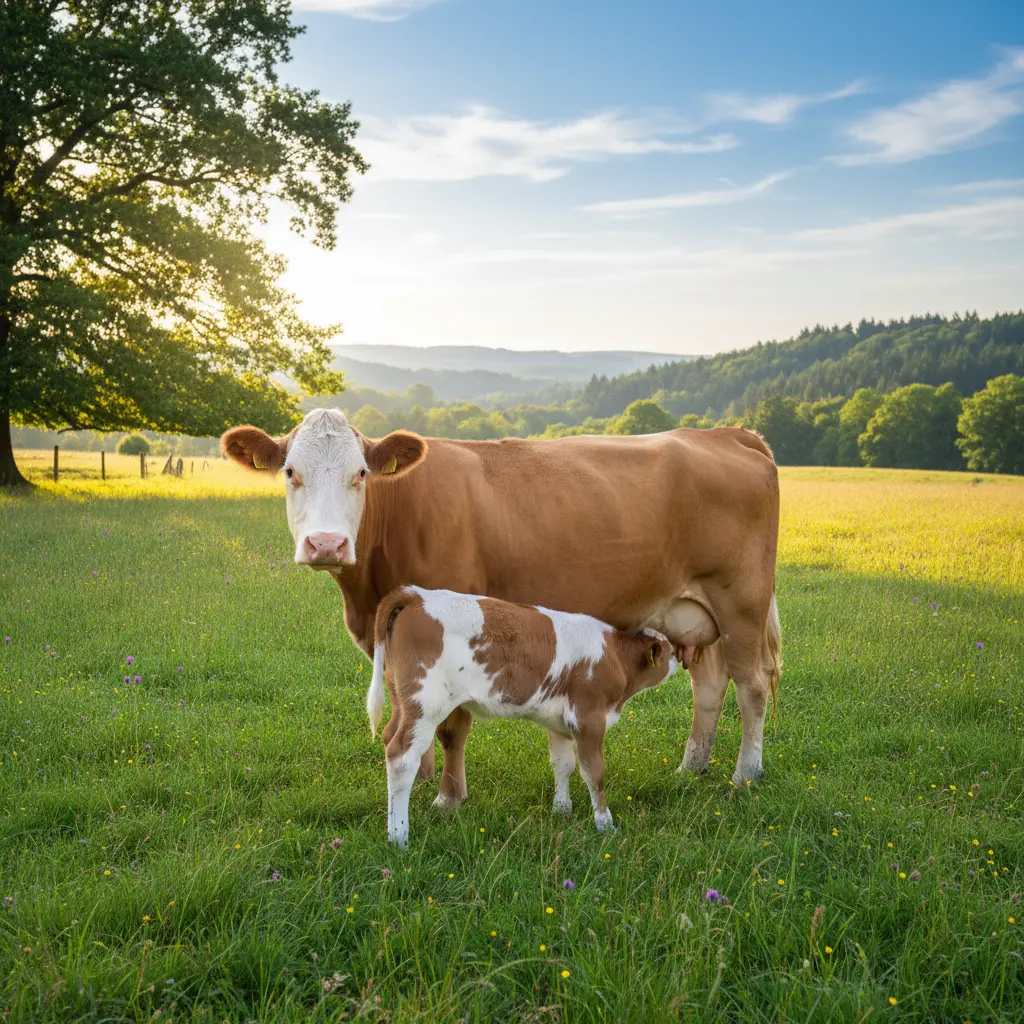
Root decomposition: cow is from Old English 'cu', which resembles Proto-Germanic 'kwō', connected to the act of nurturing and provision. Historical origin: Proto-Indo-European → Latin 'capra' → Old English. Memory image: Imagine a gentle cow in a lush green pasture, providing milk to its calf, symbolizing nurturing.
Note 1: These definitions and etymologies are not standard dictionary definitions, but extended explanations provided to help with memorization and understanding of the actual application of words. Through this background information, we strive to make words more vivid and easier to understand, and help you remember their meanings in real life.
Note 2: LexiTalk designs the learning flow around the linguistics principle of “Comprehensible Input.” When learners encounter material that is slightly above their level but still understandable from context, the brain naturally absorbs the language. That’s why we keep every word inside authentic contexts, using examples and associations to help you understand it and use it flexibly.
Read the FAQ explanation of Comprehensible InputI push the gate a little, steadying my breath as a cow steps into the yard. The animal moves, and I adjust my stance to keep the line calm. I feel the rough texture of the fence, the weight of the animal, and I keep my voice soft. That simple moment lets the word cow become real, not a label but a scene I can describe in milk, pasture, or chores.
A cow is a domesticated bovine kept for milk, meat, and other dairy products. It is typically kept in herds on farms, and a cow is specifically a female, with the male called a bull. The memory image is a gentle animal grazing in a green pasture, nursing a calf and supplying milk. Cows are central to dairy and beef industries worldwide, and the word also appears in idioms like "holy cow" to express surprise or emphasis. Learners should note the gender distinction and avoid using cow as a generic all cattle term in formal writing.
For English learners, focus on the gender distinction (cow is female) and the broad use in idioms; many learners default to 'cow' for cattle in general, which is natural in casual speech but not formal writing.
Download LexiTalk app for personalized learning experience
Download AppCookies
We use cookies for essential site functions, analytics, and ads. You can accept, reject, or manage preferences. Privacy Policy