dangerous - Master This Word
Master this word with our 5-step learning method – Learn English in English
Train English Through Brain Routes, Not Translation.
This page helps you stop memorizing isolated translations and start understanding a word through its shared mental image, native-style thinking, and practical training steps.
Master this word with our 5-step learning method – Learn English in English
Example sentences are the start of understanding. Don't rush to memorize. First feel how the word works in a sentence.
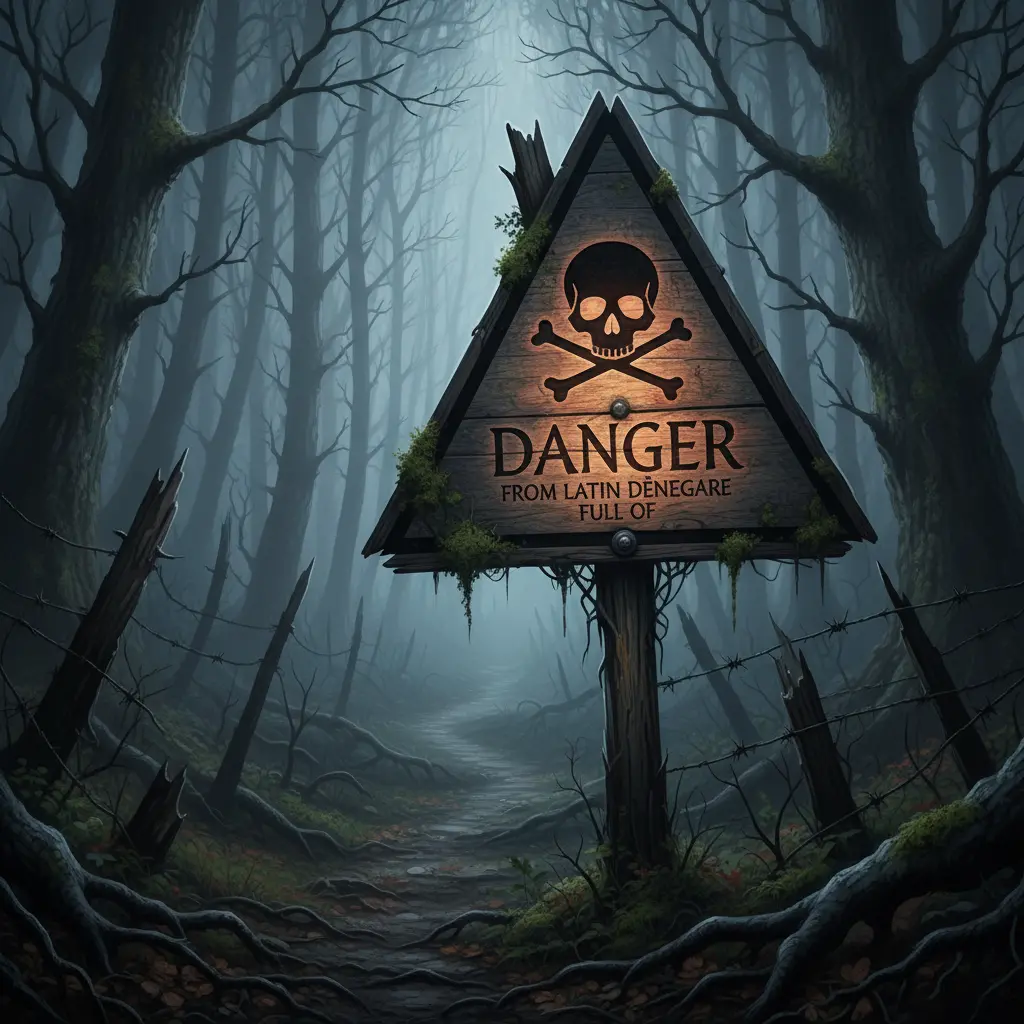
dangerous: danger (from Latin *dēnĕgāre) + -ous (full of). Origin: Latin → Old French → English. Memory Image: Imagine a warning sign in a dark forest, signaling harm ahead, symbolizing the threat of danger in your path.
Note 1: These definitions and etymologies are not standard dictionary definitions, but extended explanations provided to help with memorization and understanding of the actual application of words. Through this background information, we strive to make words more vivid and easier to understand, and help you remember their meanings in real life.
Note 2: LexiTalk designs the learning flow around the linguistics principle of “Comprehensible Input.” When learners encounter material that is slightly above their level but still understandable from context, the brain naturally absorbs the language. That’s why we keep every word inside authentic contexts, using examples and associations to help you understand it and use it flexibly.
Read the FAQ explanation of Comprehensible InputYou reach toward the unknown, and you turn your wrist to test the weather of risk. The room seems to shift as you adjust your stance and keep your eyes on what could go wrong. You gently push forward, then pull back, watching the scene change with every small move. In that moment you feel the danger as a weight you learn to handle, not a word you hear.
Dangerous is an everyday adjective used for things, situations, or actions that could cause harm or injury. In English we often pair it with concrete nouns like road, animal, chemical, or activity to highlight risk, but it can also describe people’s behavior when it shows a potential for harm. The nuance is practical rather than moral; something dangerous is not necessarily wicked, it is unstable, unpredictable, or hazardous enough to require caution. Common collocations include dangerous road, dangerous situation, dangerous driving, and dangerous substances. Learners should distinguish dangerous from safe, and from riskier synonyms such as risky or hazardous, choosing dangerous when harm is a real possibility.
English uses dangerous primarily as a direct label of risk without moral judgment; learners often mix it with phrases for moral condemnation or replace it with unsafe or risky in the wrong contexts.
Which sentence below uses 'dangerous' correctly?
Which word is most similar to 'dangerous'?
What is the opposite of 'dangerous'?
Can you give an example of a real-life scenario that can be described as 'perilous'?
Download LexiTalk app for personalized learning experience
Download AppCookies
We use cookies for essential site functions, analytics, and ads. You can accept, reject, or manage preferences. Privacy Policy