darkness - Master This Word
Master this word with our 5-step learning method – Learn English in English
Train English Through Brain Routes, Not Translation.
This page helps you stop memorizing isolated translations and start understanding a word through its shared mental image, native-style thinking, and practical training steps.
Master this word with our 5-step learning method – Learn English in English
Example sentences are the start of understanding. Don't rush to memorize. First feel how the word works in a sentence.
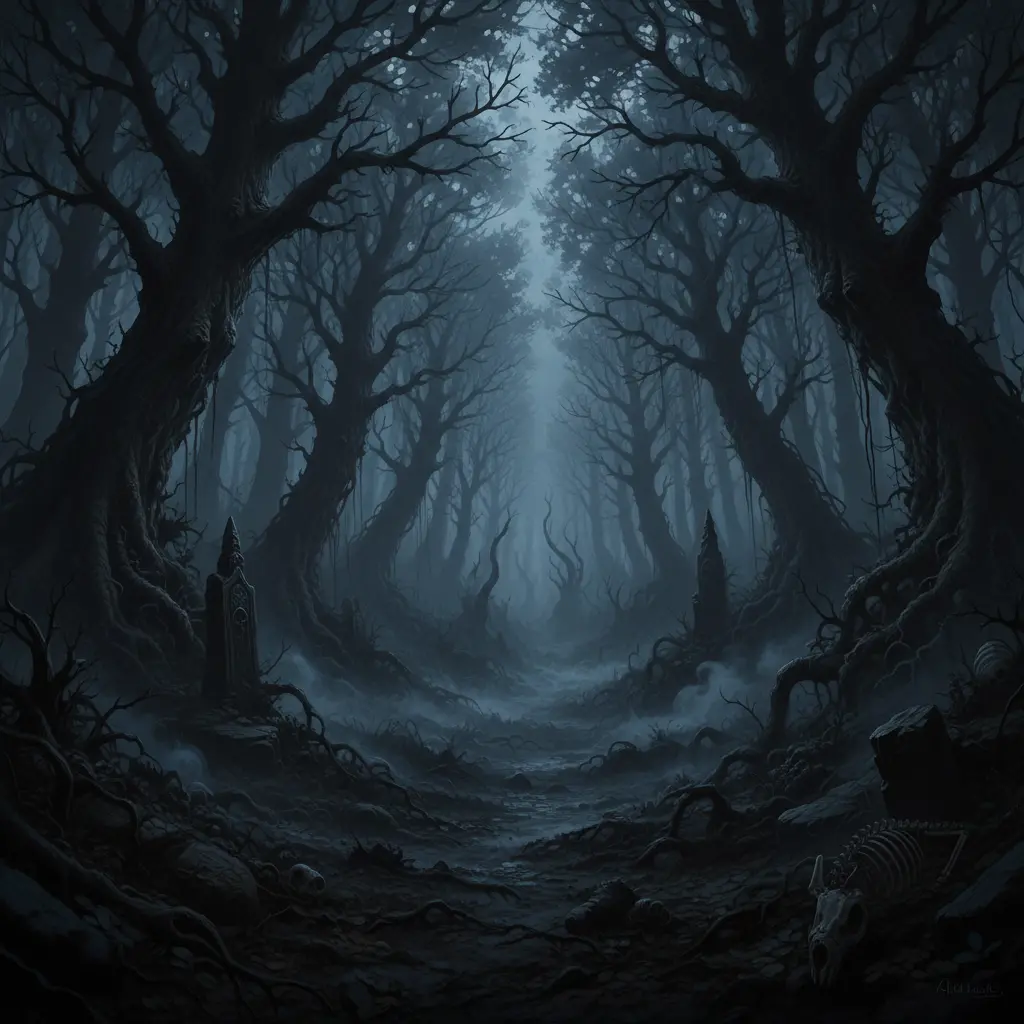
dark = devoid of light + -ness = quality of; from Old English 'deorc' → Latin 'tenebris' → English. Imagine a vast, shadowy forest where no light penetrates, creating an atmosphere of mystery and fear, evoking a sense of unease associated with darkness.
Note 1: These definitions and etymologies are not standard dictionary definitions, but extended explanations provided to help with memorization and understanding of the actual application of words. Through this background information, we strive to make words more vivid and easier to understand, and help you remember their meanings in real life.
Note 2: LexiTalk designs the learning flow around the linguistics principle of “Comprehensible Input.” When learners encounter material that is slightly above their level but still understandable from context, the brain naturally absorbs the language. That’s why we keep every word inside authentic contexts, using examples and associations to help you understand it and use it flexibly.
Read the FAQ explanation of Comprehensible InputI reach for the lamp and turn the knob, my hand moving. The room grows darker as the light dies, and I pause to feel the space shifting around me. I adjust my eyes and push through the thick quiet, deciding where to look next. In this moment, darkness takes shape in my mind as a prompt for what I will do.
Darkness is a noun that names the absence of light, a state of being without illumination that changes how we perceive space and time. It shows up at night, in unlit rooms, and when clouds cover the sun. Beyond the physical sense, darkness often carries metaphorical weight: darkness can describe fear, sadness, moral ambiguity, or danger. In everyday speech you might hear about a room sinking into darkness, a house’s lights failing, or a person wrestling with inner darkness. Because darkness is typically uncountable, we say 'in darkness' rather than 'a darkness' most of the time, and we choose adjectives like total, deep, or absolute to modify it.
Explain to an English speaker (meta, keep short)
What is the meaning of the word 'darkness'?
In which sentence is the word 'darkness' used correctly?
Which word is similar to 'darkness'?
What is the opposite of 'darkness'?
Can you provide a real-life context where 'darkness' is commonly experienced?
Download LexiTalk app for personalized learning experience
Download AppCookies
We use cookies for essential site functions, analytics, and ads. You can accept, reject, or manage preferences. Privacy Policy