
dictator - Master This Word
Master this word with our 5-step learning method – Learn English in English
Train English Through Brain Routes, Not Translation.
This page helps you stop memorizing isolated translations and start understanding a word through its shared mental image, native-style thinking, and practical training steps.
Master this word with our 5-step learning method – Learn English in English
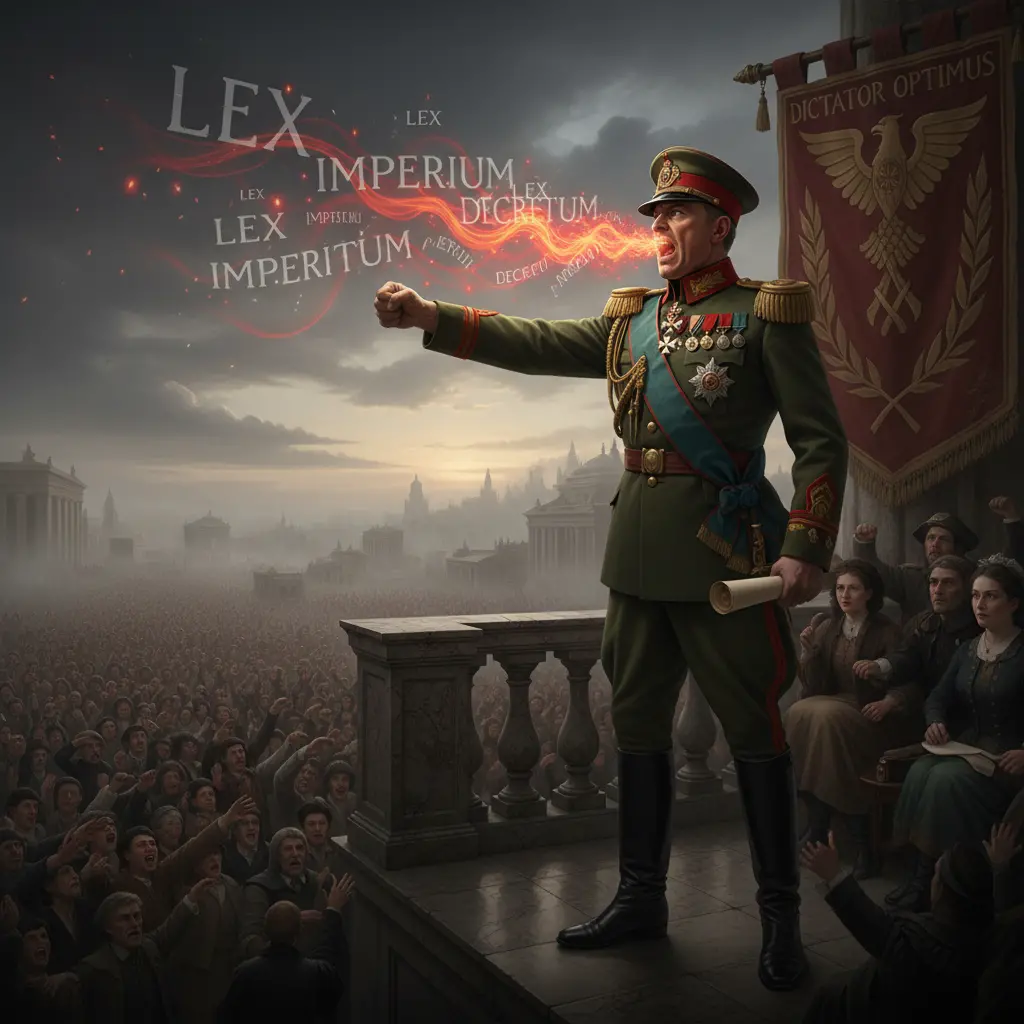
Example sentences are the start of understanding. Don't rush to memorize. First feel how the word works in a sentence.
dictator: dict- = say, -ator = someone who does. Historical origin: Latin → English. Memory image: picture a powerful figure declaring rules with an iron fist, asserting control by saying what's right.
Note 1: These definitions and etymologies are not standard dictionary definitions, but extended explanations provided to help with memorization and understanding of the actual application of words. Through this background information, we strive to make words more vivid and easier to understand, and help you remember their meanings in real life.
Note 2: LexiTalk designs the learning flow around the linguistics principle of “Comprehensible Input.” When learners encounter material that is slightly above their level but still understandable from context, the brain naturally absorbs the language. That’s why we keep every word inside authentic contexts, using examples and associations to help you understand it and use it flexibly.
Read the FAQ explanation of Comprehensible InputHands on the door, I push and watch the line move as I set the pace. I feel the room tighten; I adjust my grip and turn my stance to guide what comes next. The effort stays light and steady, and I keep control as the moment shifts around us. In that instant the word dictator pops into my mind, not as history, but as the feeling of one voice shaping what happens move by move.
A dictator is a noun for a ruler who holds absolute power, often ruling by force or fear. In ordinary use, it can describe someone who dictates terms or imposes rules without consent. The historical sense comes from Latin dictator, originally a temporary appointment in the Roman Republic; today the word usually carries a negative tone, implying oppression or abuse of power. Learners should distinguish it from leader or ruler who governs with limits or shared authority. Memory image: picture a powerful figure declaring rules with an iron fist, asserting control by saying what's right.
For English learners, focus on the strong negative tone that often accompanies dictator and how it contrasts with everyday leadership terms.
What is the meaning of the word 'dictator'?
In which of the following sentences is 'dictator' used correctly?
Which of the following is an antonym of 'dictator'?
In what real-life context might you hear the term 'dictator'?
Can you think of a situation where having a dictator might be beneficial or harmful?
Download LexiTalk app for personalized learning experience
Download AppCookies
We use cookies for essential site functions, analytics, and ads. You can accept, reject, or manage preferences. Privacy Policy