diminish - Master This Word
Master this word with our 5-step learning method – Learn English in English
Train English Through Brain Routes, Not Translation.
This page helps you stop memorizing isolated translations and start understanding a word through its shared mental image, native-style thinking, and practical training steps.
Master this word with our 5-step learning method – Learn English in English
Example sentences are the start of understanding. Don't rush to memorize. First feel how the word works in a sentence.
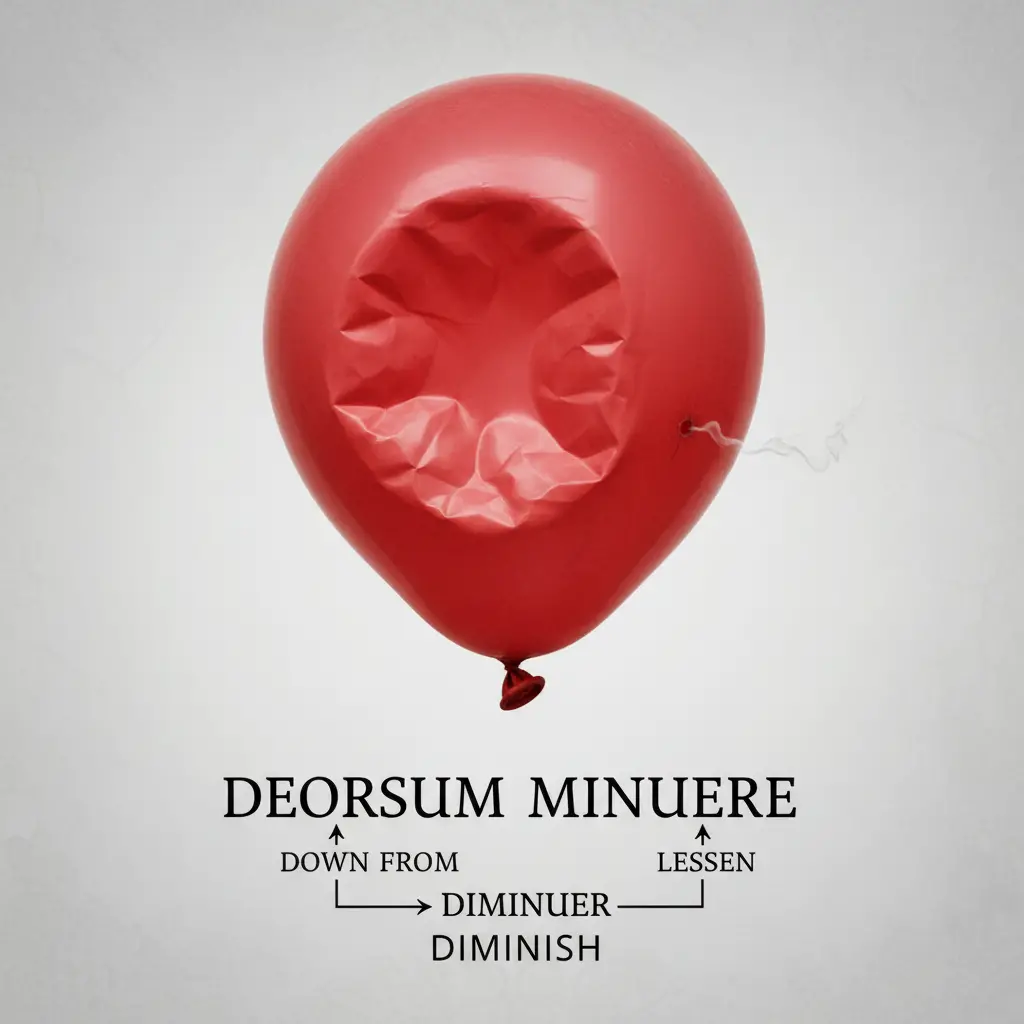
de- = down from + minuere = to lessen. Historical origin: Latin → Old French → English. Imagine a balloon slowly losing air and becoming smaller, symbolizing the reduction.
Note 1: These definitions and etymologies are not standard dictionary definitions, but extended explanations provided to help with memorization and understanding of the actual application of words. Through this background information, we strive to make words more vivid and easier to understand, and help you remember their meanings in real life.
Note 2: LexiTalk designs the learning flow around the linguistics principle of “Comprehensible Input.” When learners encounter material that is slightly above their level but still understandable from context, the brain naturally absorbs the language. That’s why we keep every word inside authentic contexts, using examples and associations to help you understand it and use it flexibly.
Read the FAQ explanation of Comprehensible InputI reach for the lamp and move the switch with a careful twist. I turn it a notch and the room shifts from bright to softer. I feel a small effort, a deliberate adjustment as I choose what to focus on. The dimmer becomes a tool I use to set the mood, and what I notice changes as the light keeps back a detail I don't need right now.
Diminish means to make something smaller in size, amount, or importance, or to reduce the intensity of a feeling or condition. You can describe physical reductions, like a dimming light or shrinking stock, as well as less tangible declines, such as a diminished influence or diminished enthusiasm. The word often appears with adverbs such as gradually, slightly, or noticeably. It contrasts with strengthen or amplify, which increase something rather than reduce it. In everyday speech, diminish is flexible: you can say a concern diminished after new information, or a budget diminished due to unexpected costs to cover core needs.
In English, diminish often emphasizes a gradual, partial reduction and is common in formal or analytical writing. Learners sometimes treat it as a stronger synonym of 'decrease' and may misapply it to complete removal.
What is the meaning of 'diminish'?
Which sentence uses 'diminish' correctly?
What is a synonym for 'diminish'?
What is an antonym for 'diminish'?
In what real-life context would you use 'diminish'?
English Learning Listening Content
Listen NowDownload LexiTalk app for personalized learning experience
Download AppCookies
We use cookies for essential site functions, analytics, and ads. You can accept, reject, or manage preferences. Privacy Policy