
diplomat - Master This Word
Master this word with our 5-step learning method – Learn English in English
Train English Through Brain Routes, Not Translation.
This page helps you stop memorizing isolated translations and start understanding a word through its shared mental image, native-style thinking, and practical training steps.
Master this word with our 5-step learning method – Learn English in English
Example sentences are the start of understanding. Don't rush to memorize. First feel how the word works in a sentence.
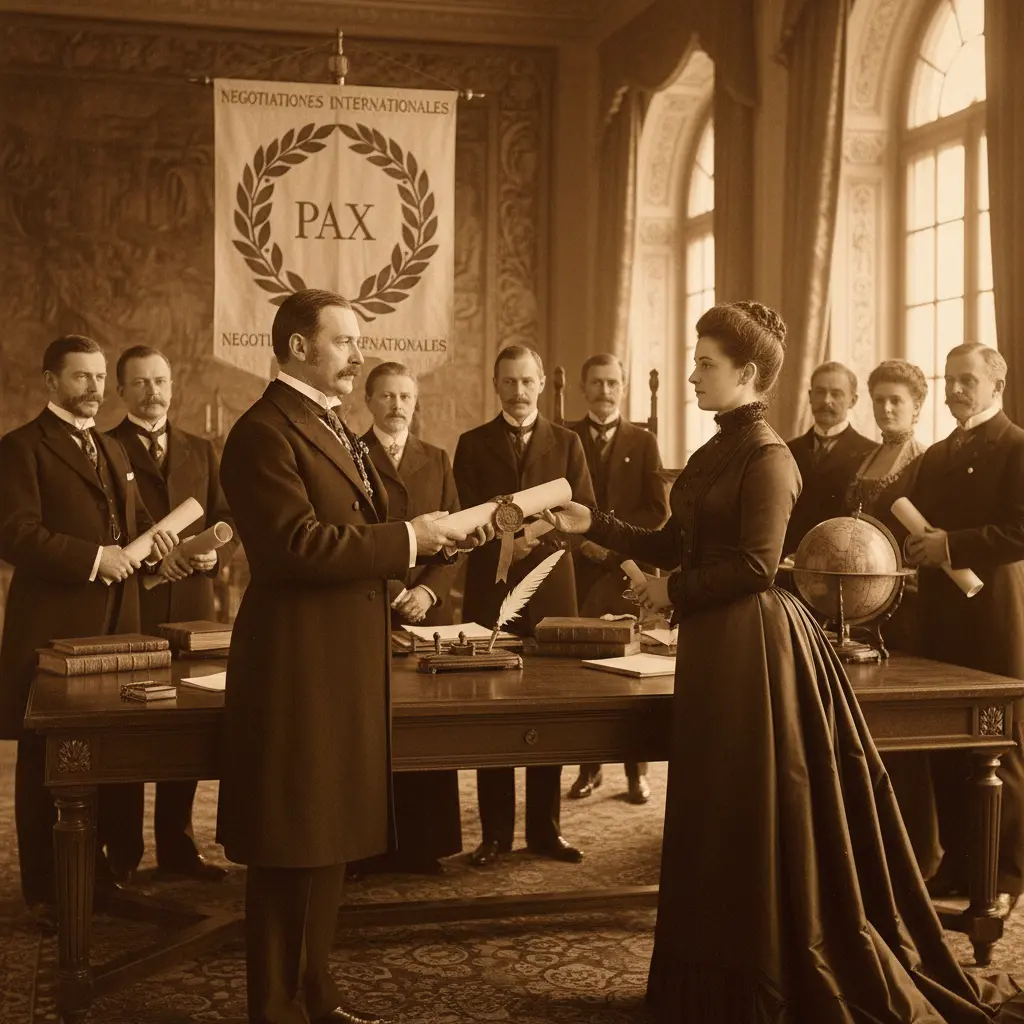
Root decomposition: 'diploma' (letter, document) + '-t' (agent noun). Historical origin: Latin 'diploma' → Old French 'diplomate' → English. Memory image: Picture a formal event where diplomats exchange documents symbolizing peace and negotiations, showcasing their role in fostering international relations.
Note 1: These definitions and etymologies are not standard dictionary definitions, but extended explanations provided to help with memorization and understanding of the actual application of words. Through this background information, we strive to make words more vivid and easier to understand, and help you remember their meanings in real life.
Note 2: LexiTalk designs the learning flow around the linguistics principle of “Comprehensible Input.” When learners encounter material that is slightly above their level but still understandable from context, the brain naturally absorbs the language. That’s why we keep every word inside authentic contexts, using examples and associations to help you understand it and use it flexibly.
Read the FAQ explanation of Comprehensible InputFirst I sit up straighter, adjust the chair, and turn to my notes. I move a page forward, set my jaw, and listen as questions come up across the table. The room settles, and I push my chair slightly to show openness, keeping my focus steady as the conversation shifts. In that moment the work of a diplomat feels like guiding a conversation from doubt to a shared path.
A diplomat is a person who represents a country in negotiations and manages international relations. A skilled diplomat can understand different cultures, languages, and political sensitivities, building trust, bridging gaps, and advancing a state's interests without open confrontation. Diplomats work at embassies, at international organizations, and in bilateral talks, drafting proposals, interpreting others' positions, and guiding governments toward compromise. The role requires patience, strategic thinking, and strong communication, as well as knowledge of law and diplomacy. Learners often confuse diplomat with ambassador, or think a diplomat only negotiates treaties; in reality, diplomats handle ongoing relationships, crisis communication, and behind‑the‑scenes diplomacy that keeps channels open even when disagreements exist.
In English, a diplomat is a person with a professional role in managing international relations. Learners often distinguish between 'diplomat' and 'ambassador' or assume diplomats are only negotiators of treaties; in practice, diplomats also sustain relationships, manage crises, and perform behind-the-scenes diplomacy.
What is the meaning of 'diplomat'?
Which sentence uses 'diplomat' correctly?
Which word is most similar to 'diplomat'?
What is the opposite of 'diplomat'?
Can you think of a real-life context where a diplomat is needed?
Download LexiTalk app for personalized learning experience
Download AppCookies
We use cookies for essential site functions, analytics, and ads. You can accept, reject, or manage preferences. Privacy Policy