
disenchantment - Master This Word
Master this word with our 5-step learning method – Learn English in English
Train English Through Brain Routes, Not Translation.
This page helps you stop memorizing isolated translations and start understanding a word through its shared mental image, native-style thinking, and practical training steps.
Master this word with our 5-step learning method – Learn English in English
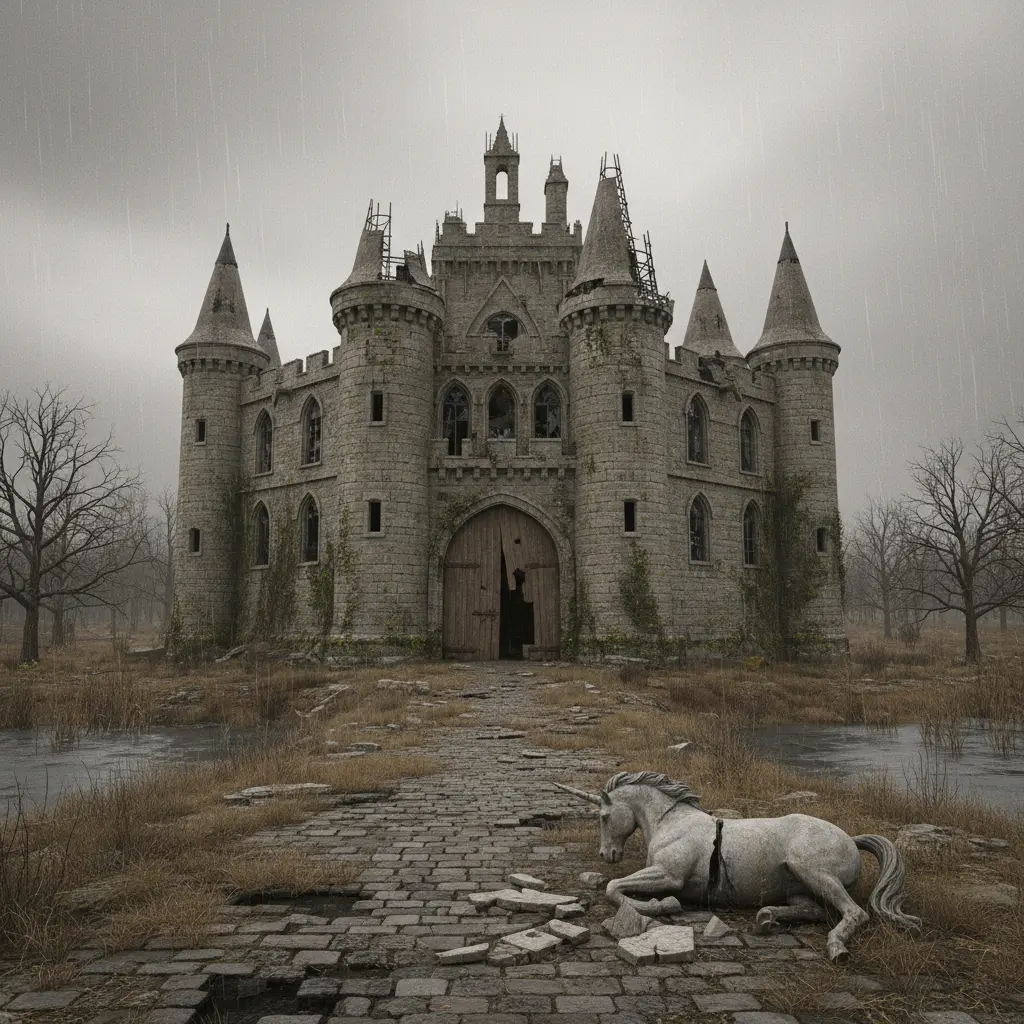
Example sentences are the start of understanding. Don't rush to memorize. First feel how the word works in a sentence.
dis- (a prefix meaning 'not' or 'opposite of') + enchantment (from Old French 'enchanter', meaning 'to charm or cast a spell'). This word evolved from Latin 'incantare'. Picture a majestic castle that loses its magic spell, becoming just a dull stone structure; this represents the loss of magic, dreams, and the harsh reality that follows.
Note 1: These definitions and etymologies are not standard dictionary definitions, but extended explanations provided to help with memorization and understanding of the actual application of words. Through this background information, we strive to make words more vivid and easier to understand, and help you remember their meanings in real life.
Note 2: LexiTalk designs the learning flow around the linguistics principle of “Comprehensible Input.” When learners encounter material that is slightly above their level but still understandable from context, the brain naturally absorbs the language. That’s why we keep every word inside authentic contexts, using examples and associations to help you understand it and use it flexibly.
Read the FAQ explanation of Comprehensible InputDisenchantment is a noun describing a feeling of disappointment or disillusion that follows when something once admired reveals its flaws or stops living up to expectations. It often arises after a period of hopeful anticipation, whether about a political ideal, a personal dream, a cultural trend, or a magical fantasy that turned out to be less than promised. The term emphasizes the moment of awakening to reality rather than a simple sadness. People may feel disillusioned with institutions, products, or stories they trusted. In everyday speech, it can accompany a shift from awe to skepticism, or from romance to pragmatic doubt.
English tends to frame disenchantment as a cognitive shift from wonder to skepticism, often emphasizing individual belief systems and critical thinking after excess idealism.
What is the meaning of disenchantment?
Select the correct usage of the word disenchantment in a sentence.
Which word is most similar to disenchantment?
What is the opposite of disenchantment?
Can you think of a real-life context where someone might experience disenchantment?
Download LexiTalk app for personalized learning experience
Download AppCookies
We use cookies for essential site functions, analytics, and ads. You can accept, reject, or manage preferences. Privacy Policy