dries - Master This Word
Master this word with our 5-step learning method – Learn English in English
Train English Through Brain Routes, Not Translation.
This page helps you stop memorizing isolated translations and start understanding a word through its shared mental image, native-style thinking, and practical training steps.
Master this word with our 5-step learning method – Learn English in English
Example sentences are the start of understanding. Don't rush to memorize. First feel how the word works in a sentence.
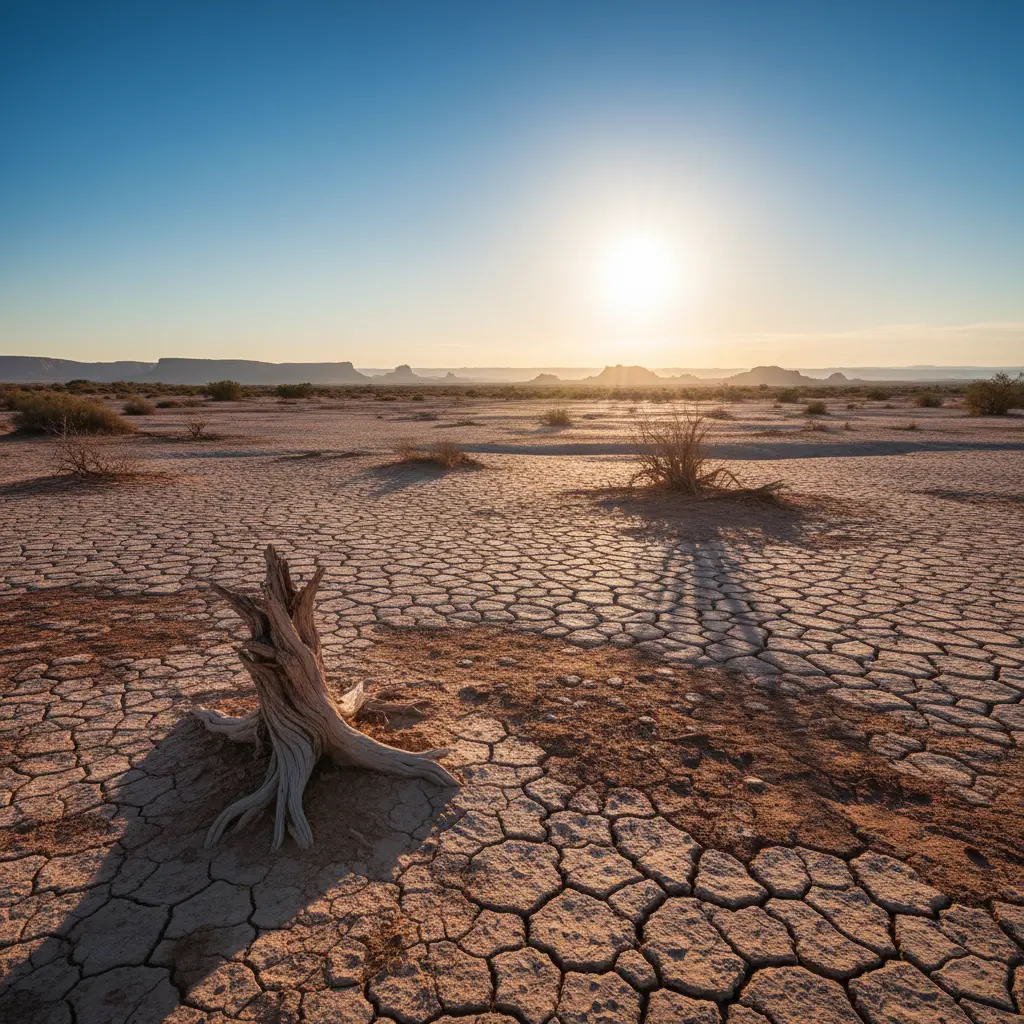
dry = without moisture; Old English drȳge, related to Old Norse; imagine a sun-baked landscape with parched earth.
Note 1: These definitions and etymologies are not standard dictionary definitions, but extended explanations provided to help with memorization and understanding of the actual application of words. Through this background information, we strive to make words more vivid and easier to understand, and help you remember their meanings in real life.
Note 2: LexiTalk designs the learning flow around the linguistics principle of “Comprehensible Input.” When learners encounter material that is slightly above their level but still understandable from context, the brain naturally absorbs the language. That’s why we keep every word inside authentic contexts, using examples and associations to help you understand it and use it flexibly.
Read the FAQ explanation of Comprehensible InputI grab a wet towel and move it across the counter, wringing out the water. I shift my grip, push and pull, and watch the towel go from soaked to dry. I feel the effort rise and then settle as I adjust my pace, keeping the motion steady. When it’s dry, the cloth makes the space feel calmer, like a small decision paid with focus.
Dry means lacking moisture or liquid. As an adjective it describes things that are not wet, such as dry clothes, dry skin, or a dry towel, and it can refer to weather, land, or air that has little or no humidity. Dry can also describe food that has had moisture removed to preserve it, like dried fruit or dry meat, or a surface that has been dried after washing. As a verb, to dry means to remove moisture from something, or to become dry through evaporation or heat. In idioms, dry humor and a dry spell show subtle, matter-of-fact style rather than lively emotion.
Learners of English think in terms of moisture and weather as separate from temperature; English also locks several common collocations to memory (dry season, dry run, dry humor) that don’t always map directly to other languages.
What is the meaning of the word 'dries'?
Which sentence correctly uses the word 'dries'?
Which word is most similar to 'dries'?
What is the opposite of the word 'dries'?
Can you think of a real-life context where something dries?
Download LexiTalk app for personalized learning experience
Download AppCookies
We use cookies for essential site functions, analytics, and ads. You can accept, reject, or manage preferences. Privacy Policy