
earthworms - Master This Word
Master this word with our 5-step learning method – Learn English in English
Train English Through Brain Routes, Not Translation.
This page helps you stop memorizing isolated translations and start understanding a word through its shared mental image, native-style thinking, and practical training steps.
Master this word with our 5-step learning method – Learn English in English
Example sentences are the start of understanding. Don't rush to memorize. First feel how the word works in a sentence.
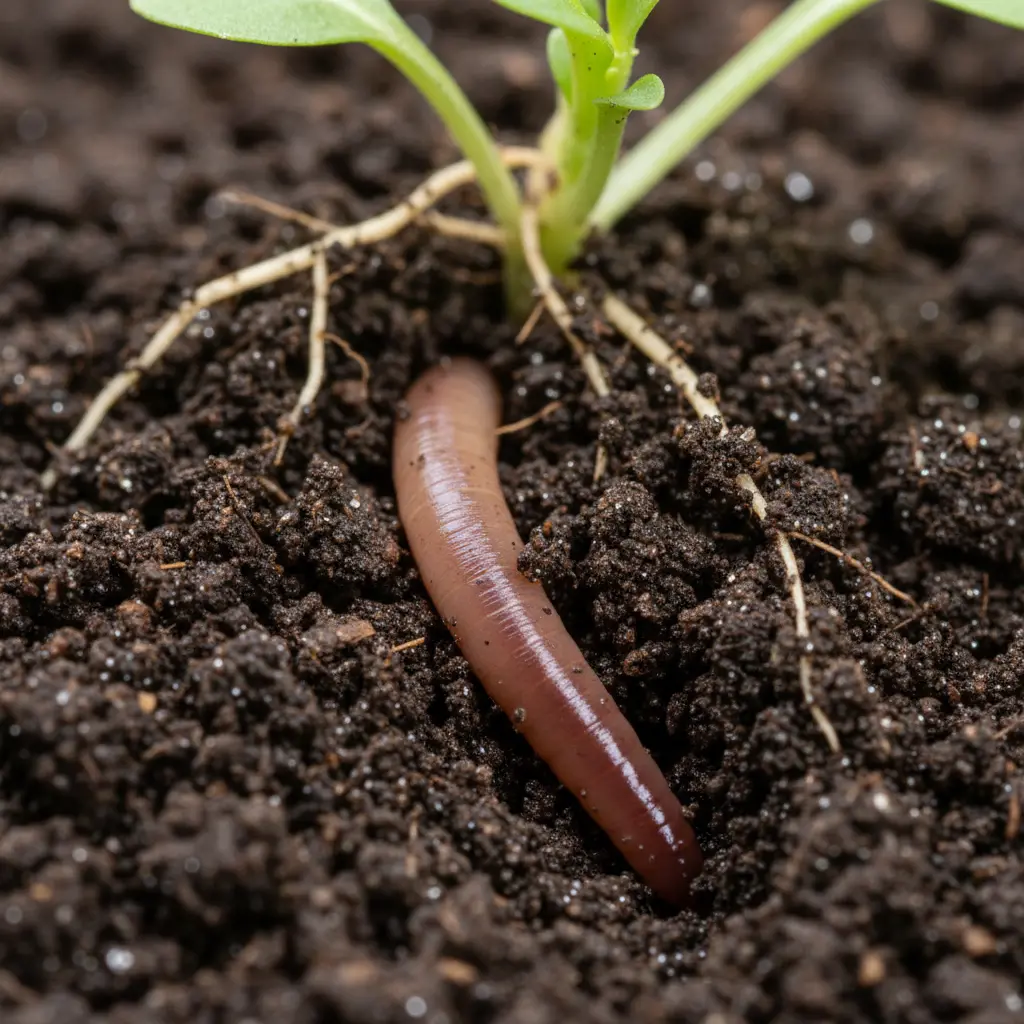
Root: 'earth' + 'worm'. Historical origin: Old English 'eorðe' and 'wyrm' → transitioned into Middle English → Modern English. Memory image: Picture a wriggly creature burrowing through rich, moist soil, turning it into fertile land, vital for plants to grow.
Note 1: These definitions and etymologies are not standard dictionary definitions, but extended explanations provided to help with memorization and understanding of the actual application of words. Through this background information, we strive to make words more vivid and easier to understand, and help you remember their meanings in real life.
Note 2: LexiTalk designs the learning flow around the linguistics principle of “Comprehensible Input.” When learners encounter material that is slightly above their level but still understandable from context, the brain naturally absorbs the language. That’s why we keep every word inside authentic contexts, using examples and associations to help you understand it and use it flexibly.
Read the FAQ explanation of Comprehensible InputEarthworms are soil-dwelling annelids that are small but mighty allies for gardens and farms. They tunnel through the soil, creating air channels that help plant roots breathe and water to drain. As they feed on organic matter, they fragment and mix it, speeding decomposition and enriching the soil with nutrient-rich castings. When people mention earthworms in composting or mulching, they usually refer to their beneficial role rather than as pets. The word evokes a wriggly, brownish creature you might find in damp earth, vital for plants to grow and for sustainable farming practices.
In English, the image is that of a practical, beneficial soil helper; learners should focus on ecological roles like aeration and nutrient cycling and not on pets or pests.
Download LexiTalk app for personalized learning experience
Download AppCookies
We use cookies for essential site functions, analytics, and ads. You can accept, reject, or manage preferences. Privacy Policy