soil - Master This Word
Master this word with our 5-step learning method – Learn English in English
Train English Through Brain Routes, Not Translation.
This page helps you stop memorizing isolated translations and start understanding a word through its shared mental image, native-style thinking, and practical training steps.
Master this word with our 5-step learning method – Learn English in English
Example sentences are the start of understanding. Don't rush to memorize. First feel how the word works in a sentence.
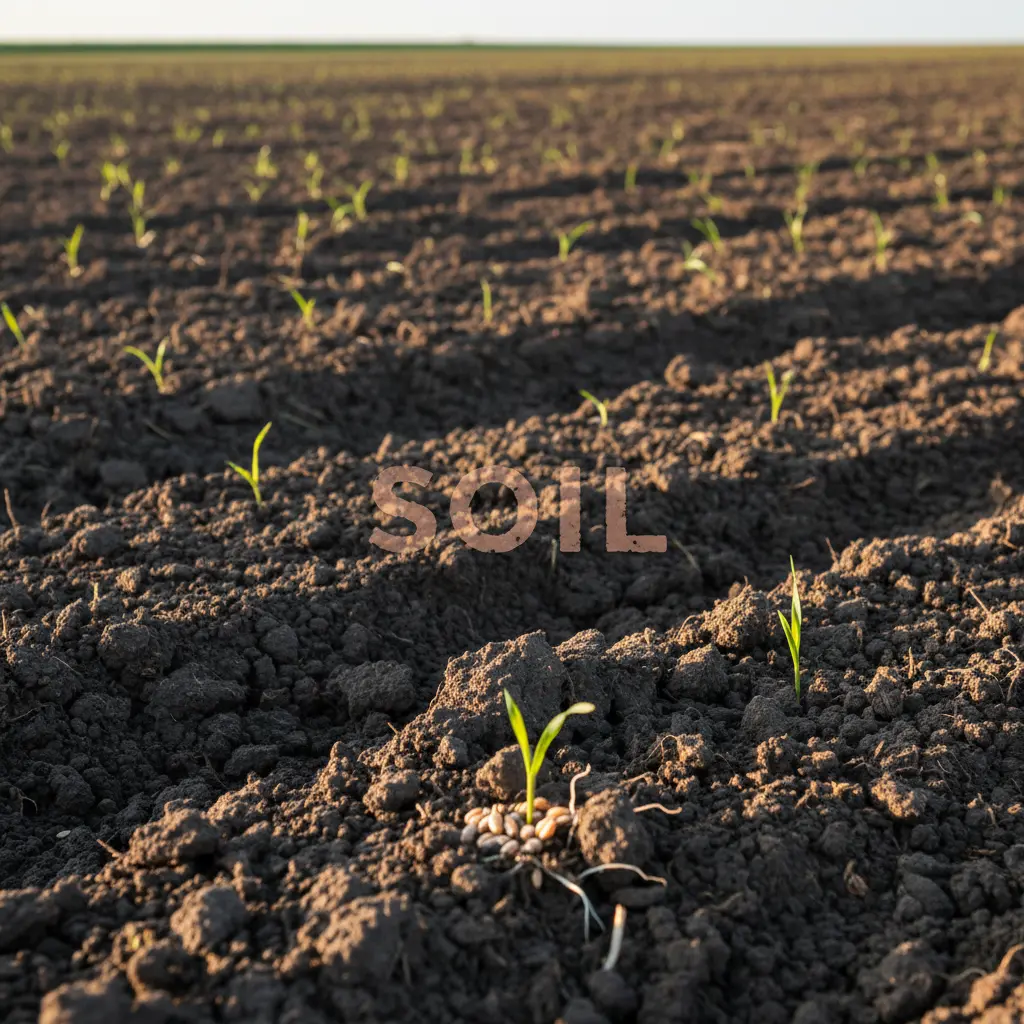
Root: soil; Historical origin: Latin 'solum' → Old French 'soil' → English; Memory image: Picture fields rich with dark earth, enabling life, such as sprouting seeds pushing through the 'soil'.
Note 1: These definitions and etymologies are not standard dictionary definitions, but extended explanations provided to help with memorization and understanding of the actual application of words. Through this background information, we strive to make words more vivid and easier to understand, and help you remember their meanings in real life.
Note 2: LexiTalk designs the learning flow around the linguistics principle of “Comprehensible Input.” When learners encounter material that is slightly above their level but still understandable from context, the brain naturally absorbs the language. That’s why we keep every word inside authentic contexts, using examples and associations to help you understand it and use it flexibly.
Read the FAQ explanation of Comprehensible InputI crouch and scoop with my hands, feeling the soil cool and crumbly under my nails. I move the dirt with small lifts, then shift my wrists to let air slip in. The weight changes in my palms as I turn a clump, I adjust my grip and keep steady. Through these tiny motions I sense how soil is the ground where seeds take root and farms begin.
Soil is the loose, weathered surface layer of the earth that supports most land-based life. In everyday English, soil refers to the upper layer of earth in which plants grow, and more broadly to a particular kind of ground with texture, color, and composition. It is not just dirt; soil includes minerals, organic matter, air, and water that together sustain roots and soil-dwelling microorganisms. People talk about fertile soil, soil quality, and soil erosion, and you might hear soil types such as clay, loam, and sandy soil. The word also carries a metaphorical sense related to agricultural life and farming conditions. Its etymology traces to Latin solum, reinforcing the idea of ground itself as a living foundation.
English tends to treat soil as a concrete, testable material with clear physical properties, while also accepting metaphorical uses; learners often confuse soil with dirt or earth and struggle with collocations like soil fertility and soil erosion.
What is the meaning of the word 'soil'?
How is the word 'soil' used in a sentence?
Which word is similar to 'soil'?
What is the opposite of 'soil'?
In what real-life context would you encounter the word 'soil'?
Download LexiTalk app for personalized learning experience
Download AppCookies
We use cookies for essential site functions, analytics, and ads. You can accept, reject, or manage preferences. Privacy Policy