electricity - Master This Word
Master this word with our 5-step learning method – Learn English in English
Train English Through Brain Routes, Not Translation.
This page helps you stop memorizing isolated translations and start understanding a word through its shared mental image, native-style thinking, and practical training steps.
Master this word with our 5-step learning method – Learn English in English
Example sentences are the start of understanding. Don't rush to memorize. First feel how the word works in a sentence.
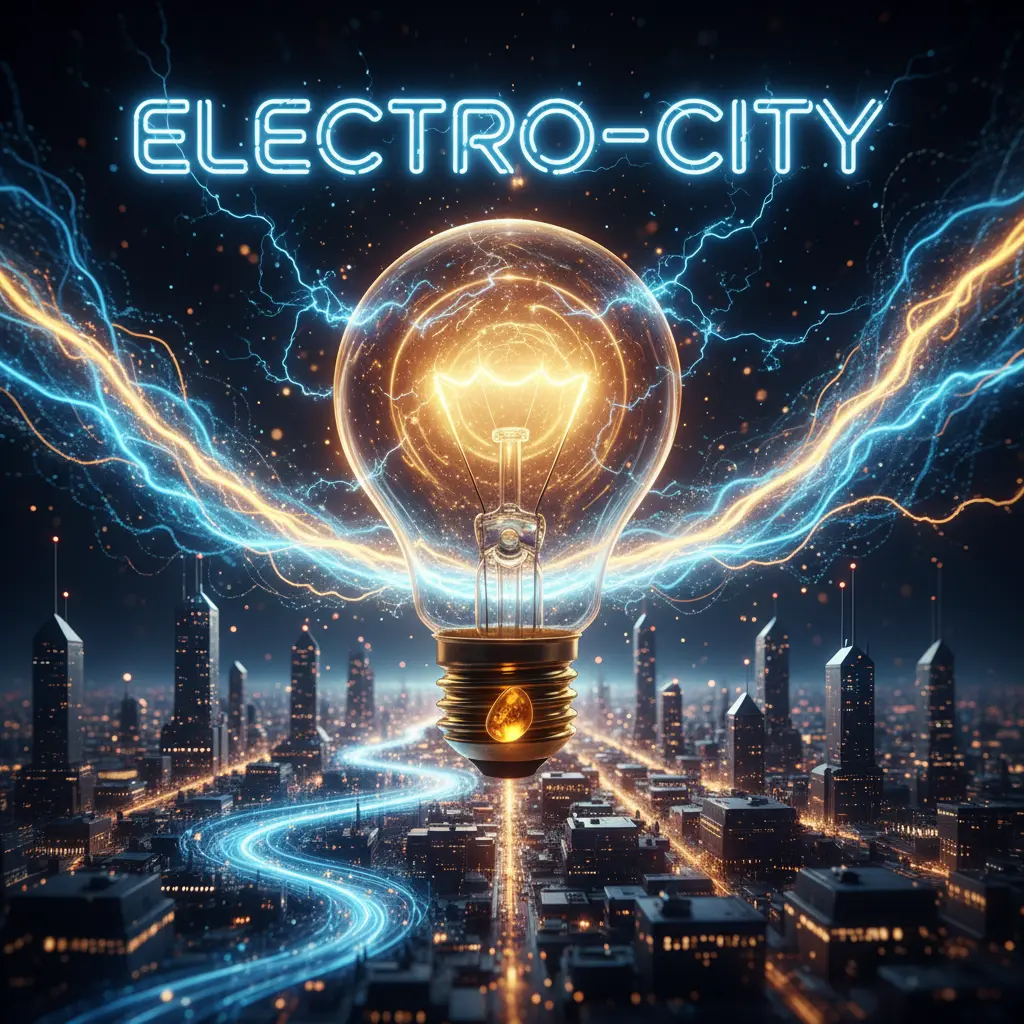
electro- = electricity + -city = state or condition. Originating from Latin 'electricus', through Greek 'ēlektron' meaning amber. Imagine a bright bulb glowing to signify the flow of energy.
Note 1: These definitions and etymologies are not standard dictionary definitions, but extended explanations provided to help with memorization and understanding of the actual application of words. Through this background information, we strive to make words more vivid and easier to understand, and help you remember their meanings in real life.
Note 2: LexiTalk designs the learning flow around the linguistics principle of “Comprehensible Input.” When learners encounter material that is slightly above their level but still understandable from context, the brain naturally absorbs the language. That’s why we keep every word inside authentic contexts, using examples and associations to help you understand it and use it flexibly.
Read the FAQ explanation of Comprehensible InputI reach for the switch and push it, feeling electricity wake up in the wires. The room lights up and a warm hum fills the air as electricity travels to the lamp, and the lamp holds a bright, steady glow. I shift the lamp a touch to soften the glare and keep the beam aimed where I want it. Tiny decisions like this change how I move around the space, and the room answers with warmth and clarity.
Electricity is a form of energy that powers countless devices and systems in modern life. It arises from the movement of charged particles and can flow through conductors to illuminate a bulb, run a computer, or energize a factory. People typically talk about electricity in terms of supplies, grids, circuits, and safety; we also distinguish electricity from other energy forms like heat or sound. When learning English, you may hear electricity described as uncountable, yet you can discuss different sources, such as fossil fuels, wind, solar, or hydro power that generate electricity. The word connects to many compound terms, including electrical engineering, electricity bill, electrical outlet, and renewable electricity.
Explain to an English speaker (meta, keep short)
What is the meaning of the word 'electricity'?
How is 'electricity' commonly used?
Which of the following is a similar word to 'electricity'?
What is the opposite of 'electricity' in terms of energy source?
In what real-life context would you most likely encounter 'electricity'?
Download LexiTalk app for personalized learning experience
Download AppCookies
We use cookies for essential site functions, analytics, and ads. You can accept, reject, or manage preferences. Privacy Policy