ending - Master This Word
Master this word with our 5-step learning method – Learn English in English
Train English Through Brain Routes, Not Translation.
This page helps you stop memorizing isolated translations and start understanding a word through its shared mental image, native-style thinking, and practical training steps.
Master this word with our 5-step learning method – Learn English in English
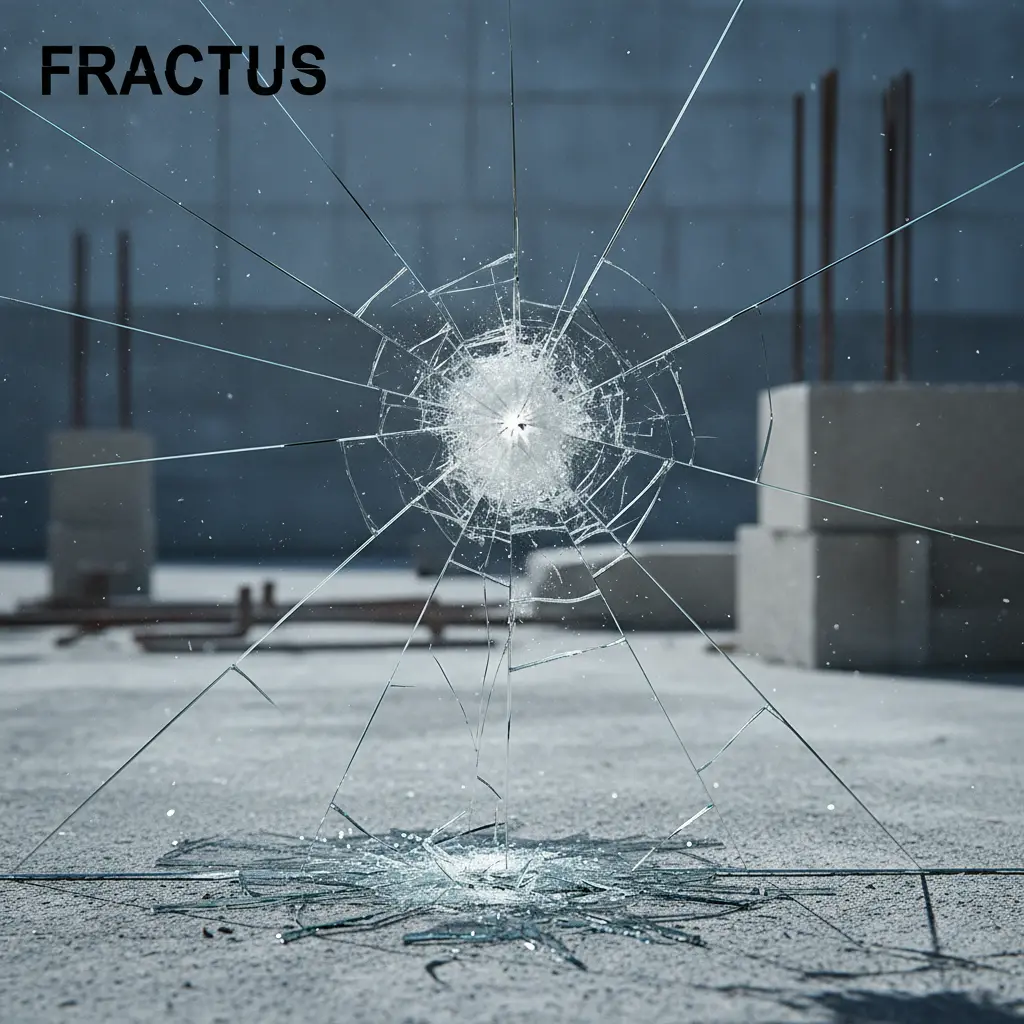
Example sentences are the start of understanding. Don't rush to memorize. First feel how the word works in a sentence.
Root: end (noun) = final part; Historical origin: from Old English 'endian'; Memory image: imagine a finish line where a race ends and the runner stops.
Note 1: These definitions and etymologies are not standard dictionary definitions, but extended explanations provided to help with memorization and understanding of the actual application of words. Through this background information, we strive to make words more vivid and easier to understand, and help you remember their meanings in real life.
Note 2: LexiTalk designs the learning flow around the linguistics principle of “Comprehensible Input.” When learners encounter material that is slightly above their level but still understandable from context, the brain naturally absorbs the language. That’s why we keep every word inside authentic contexts, using examples and associations to help you understand it and use it flexibly.
Read the FAQ explanation of Comprehensible InputI set the pen down and push the last page aside, a small move that signals I’m closing the chapter. I shift my focus from detail to the big picture, letting the minutes slow as the work edges toward its end. I hold the decision to stop and finish what I started, a quiet effort I keep steady. When I end the task, the room settles and a path forward seems to open.
End as a verb means to bring something to a close or to stop it entirely. You end a meeting, end a conversation, or end a project when its goals are reached or when you decide there is no longer a need to continue. End often carries finality, implying a boundary beyond which the thing will not continue; you can end something abruptly or gradually, and you can also end up doing something as a consequence of choices. Learners sometimes treat end as a perfect substitute for finish in every context, or confuse ending with killing or destroying something. Remember that English often distinguishes ending events (end a discussion) from completing tasks (finish a task).
Explain to an English speaker: end often signals a decisive final boundary, different from finish which emphasizes completion but not necessarily closure of the situation.
What is the meaning of the word 'ending'?
In which sentence is the word 'ending' used correctly?
Which word is an antonym of 'ending'?
In a movie, when the screen fades to black, it signifies the ______ of the film.
Can you think of a real-life situation where an ending is important?
Download LexiTalk app for personalized learning experience
Download AppCookies
We use cookies for essential site functions, analytics, and ads. You can accept, reject, or manage preferences. Privacy Policy