
evaporation - Master This Word
Master this word with our 5-step learning method – Learn English in English
Train English Through Brain Routes, Not Translation.
This page helps you stop memorizing isolated translations and start understanding a word through its shared mental image, native-style thinking, and practical training steps.
Master this word with our 5-step learning method – Learn English in English
Example sentences are the start of understanding. Don't rush to memorize. First feel how the word works in a sentence.
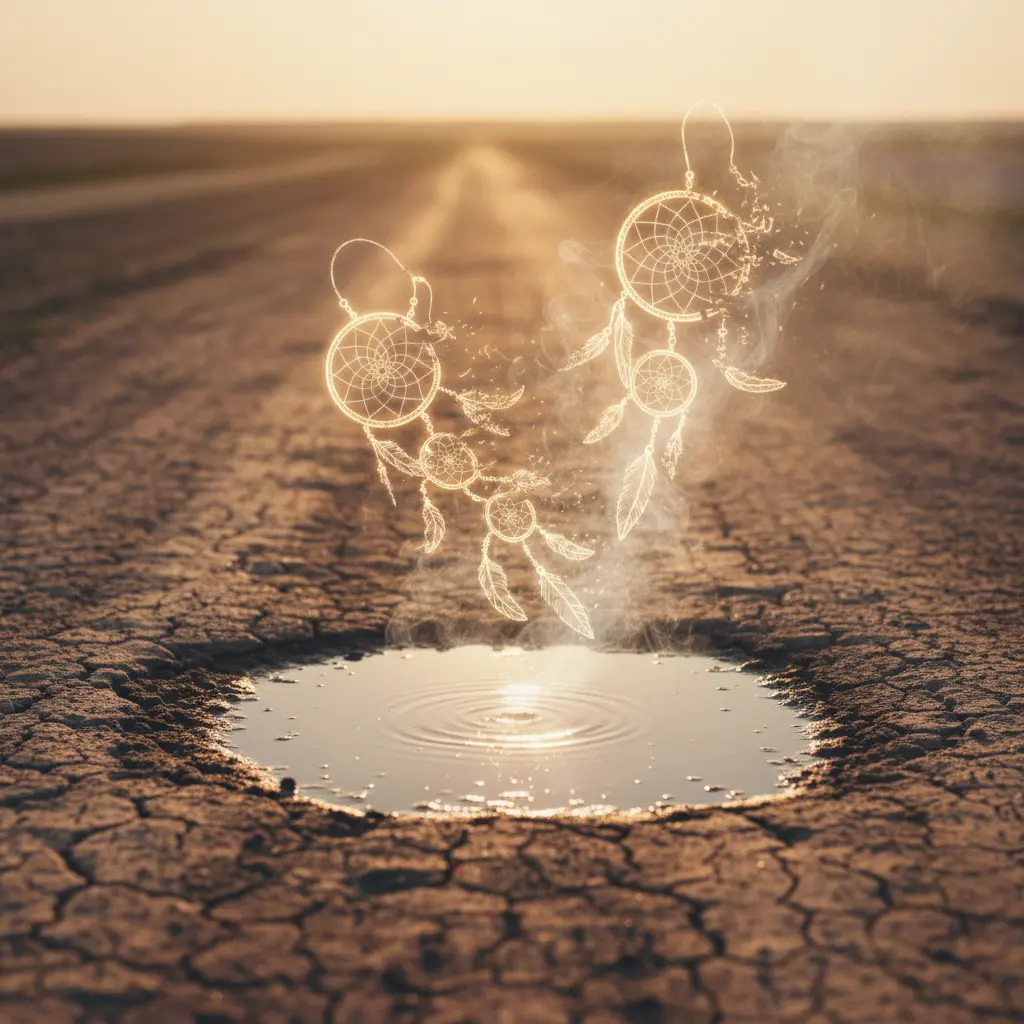
Root: 'evaporare' (to cause to evaporate) = 'e-' (out) + 'vapor' (steam) + 'ation' (process). Historical origin: Latin → Old French → English. Memory image: Imagine water slowly evaporating from a puddle on a hot day until it disappears completely, just like dreams that fade away as you wake up.
Note 1: These definitions and etymologies are not standard dictionary definitions, but extended explanations provided to help with memorization and understanding of the actual application of words. Through this background information, we strive to make words more vivid and easier to understand, and help you remember their meanings in real life.
Note 2: LexiTalk designs the learning flow around the linguistics principle of “Comprehensible Input.” When learners encounter material that is slightly above their level but still understandable from context, the brain naturally absorbs the language. That’s why we keep every word inside authentic contexts, using examples and associations to help you understand it and use it flexibly.
Read the FAQ explanation of Comprehensible InputEvaporation is the process by which a liquid turns into vapor at temperatures below its boiling point. It can occur at the surface of a liquid when molecules gain enough energy to escape into the air, even without boiling. Factors such as temperature, humidity, surface area, and airflow influence how quickly evaporation happens. In daily life you see it when a puddle shrinks on a sunny day, laundry dries on a line, or steam from a kettle leaves the pot quietly. In science contexts, evaporation is contrasted with boiling, which involves vapor formation throughout the liquid at a higher temperature.
Explain to an English speaker that evaporation is a surface process driven by energy transfer, distinct from boiling where bubbles form throughout the liquid. Learners often confuse evaporation with drying or with boiling; clarify the temperature context and surface-only nature.
What does the word 'evaporation' mean?
Choose the correct usage of the word 'evaporation' in a sentence.
Which word is most similar to 'evaporation'?
What is the opposite of 'evaporation'?
Can you think of a real-life context related to evaporation?
Download LexiTalk app for personalized learning experience
Download AppCookies
We use cookies for essential site functions, analytics, and ads. You can accept, reject, or manage preferences. Privacy Policy