
fat - Master This Word
Master this word with our 5-step learning method – Learn English in English
Train English Through Brain Routes, Not Translation.
This page helps you stop memorizing isolated translations and start understanding a word through its shared mental image, native-style thinking, and practical training steps.
Master this word with our 5-step learning method – Learn English in English
Example sentences are the start of understanding. Don't rush to memorize. First feel how the word works in a sentence.
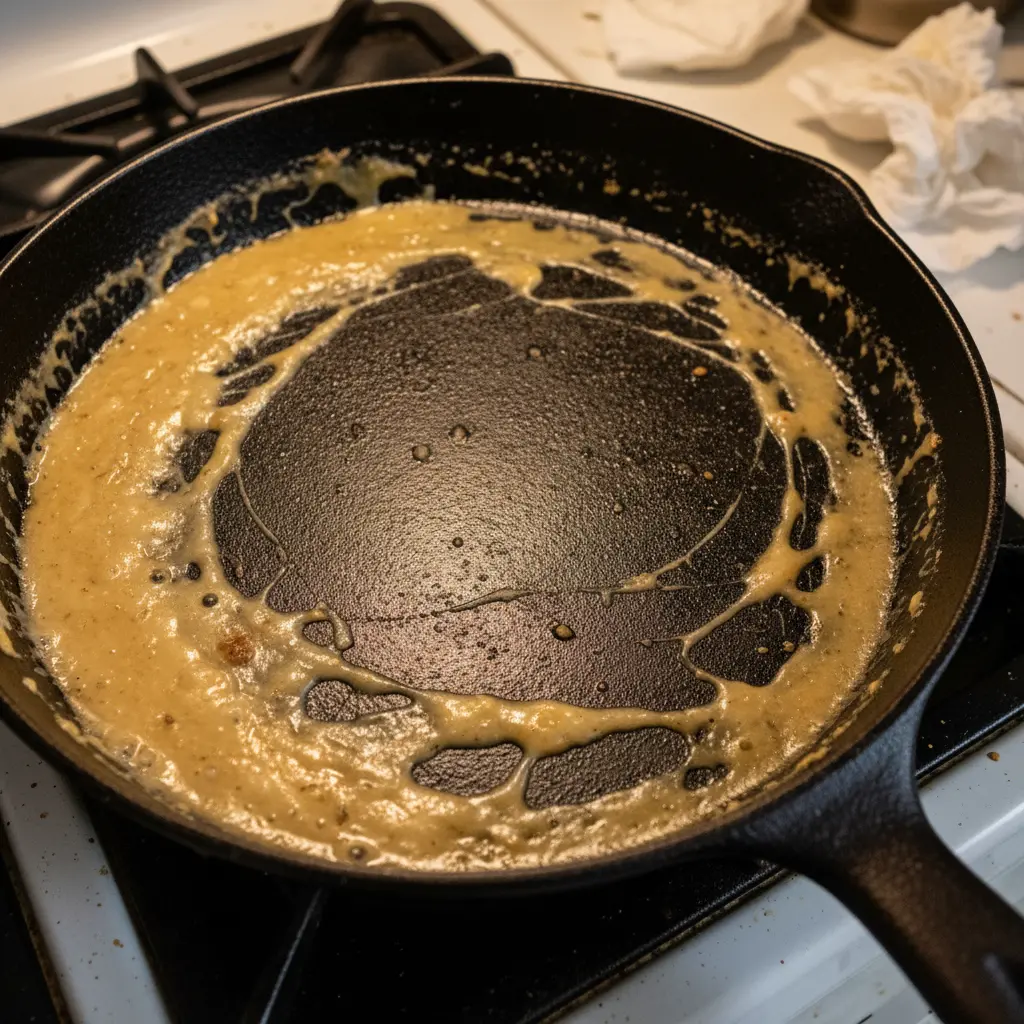
fat = a thick substance. Old English fǣtt → Latin fatidus (decayed). Imagine a thick, greasy layer on a pan after frying food.
Note 1: These definitions and etymologies are not standard dictionary definitions, but extended explanations provided to help with memorization and understanding of the actual application of words. Through this background information, we strive to make words more vivid and easier to understand, and help you remember their meanings in real life.
Note 2: LexiTalk designs the learning flow around the linguistics principle of “Comprehensible Input.” When learners encounter material that is slightly above their level but still understandable from context, the brain naturally absorbs the language. That’s why we keep every word inside authentic contexts, using examples and associations to help you understand it and use it flexibly.
Read the FAQ explanation of Comprehensible InputI push the pan toward the stove, turn the knob, and watch a ribbon of fat melt and gleam. I adjust the heat, keep the spoon steady, and the fat shifts from dull to bright as it sizzles. I place the plate aside, feeling my arms work, and the air grows thick with the rich scent. Later I shift my stance in the mirror, let my breath slow, and fat begins to feel like a weight and a texture you can notice.
Fat has several closely related senses in English. As an adjective it can mean having a lot of body fat, or rich in grease or oil. As a noun it refers to the thick, oily substance produced by animals and used in cooking, or to fat tissue in the body. The core idea is density and greasiness, sometimes implying excess. Learners often mix fat up with greasy or oily, or with the verb fatten, which means to make fatten by feeding. Idiomatic phrases use fat in ways that can confuse: 'fat chance' (informal irony) isn’t about actual fat, and 'fat cat' describes a very rich person. In everyday speech, keep straight the medical/biological sense from everyday cooking or informal slang.
Explain to an English speaker (meta, keep short)
In which of the following sentences is 'fat' used correctly?
Which word is most similar to 'fat'?
What is the opposite of 'fat'?
In what real-life context would you use the word 'fat'?
Download LexiTalk app for personalized learning experience
Download AppCookies
We use cookies for essential site functions, analytics, and ads. You can accept, reject, or manage preferences. Privacy Policy