feature - Master This Word
Master this word with our 5-step learning method – Learn English in English
Train English Through Brain Routes, Not Translation.
This page helps you stop memorizing isolated translations and start understanding a word through its shared mental image, native-style thinking, and practical training steps.
Master this word with our 5-step learning method – Learn English in English
Example sentences are the start of understanding. Don't rush to memorize. First feel how the word works in a sentence.
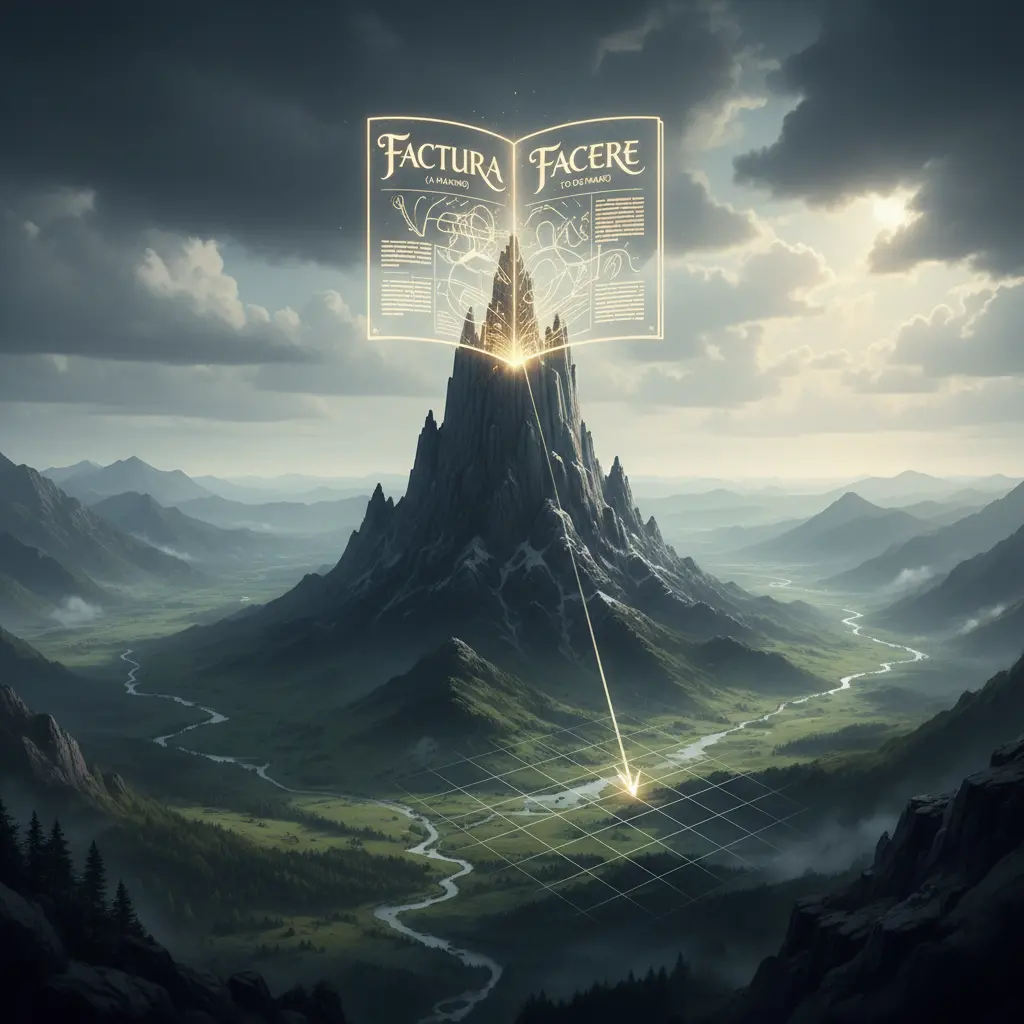
From Latin 'factura' (a making) and 'facere' (to do/make), through Old French. Imagine a unique feature like a mountain peak, towering distinctly above the landscape, much like how a feature highlights a story in a magazine.
Note 1: These definitions and etymologies are not standard dictionary definitions, but extended explanations provided to help with memorization and understanding of the actual application of words. Through this background information, we strive to make words more vivid and easier to understand, and help you remember their meanings in real life.
Note 2: LexiTalk designs the learning flow around the linguistics principle of “Comprehensible Input.” When learners encounter material that is slightly above their level but still understandable from context, the brain naturally absorbs the language. That’s why we keep every word inside authentic contexts, using examples and associations to help you understand it and use it flexibly.
Read the FAQ explanation of Comprehensible InputI reach out and move my finger across the screen, steering my gaze toward a single feature that catches my eye. I adjust my posture, tilt the page a bit, and push that attribute to the front, keeping it in the spotlight. The moment it feels distinct, I sense the shift from vague to clear, as if a hint of importance is visible. In everyday use, I keep spotting that feature—where it appears in a product, in a post, or in a show—and it helps me tell things apart.
In English, 'feature' can refer to a distinctive attribute of something (its key quality), a standout article in a magazine or broadcast, or the act of presenting something prominently. As a noun, it often collocates with adjectives like 'major,' 'defining,' or 'new feature.' As a verb, 'to feature' means to give prominence to someone or something in a program or article. The etymology traces to Latin factura and facere, via Old French, which helps learners remember that a 'feature' is something you make or highlight, not just a random detail. Learners sometimes confuse it with 'facade' or 'feature' in software; the nuance is about prominence and usefulness.
English often frames a 'feature' as either a distinctive attribute or a curated article; it emphasizes prominence and usefulness. Learners may overextend 'feature' to mean any trait, or swap it for 'function' in non-promotional contexts.
What is the meaning of the word 'feature'?
How is the word 'feature' used in a sentence?
Which word is the opposite of 'feature'?
In what real-life context would you hear the word 'feature'?
Can you use the word 'feature' in a sentence?
Download LexiTalk app for personalized learning experience
Download AppCookies
We use cookies for essential site functions, analytics, and ads. You can accept, reject, or manage preferences. Privacy Policy