pretty - Master This Word
Master this word with our 5-step learning method – Learn English in English
Train English Through Brain Routes, Not Translation.
This page helps you stop memorizing isolated translations and start understanding a word through its shared mental image, native-style thinking, and practical training steps.
Master this word with our 5-step learning method – Learn English in English
Example sentences are the start of understanding. Don't rush to memorize. First feel how the word works in a sentence.
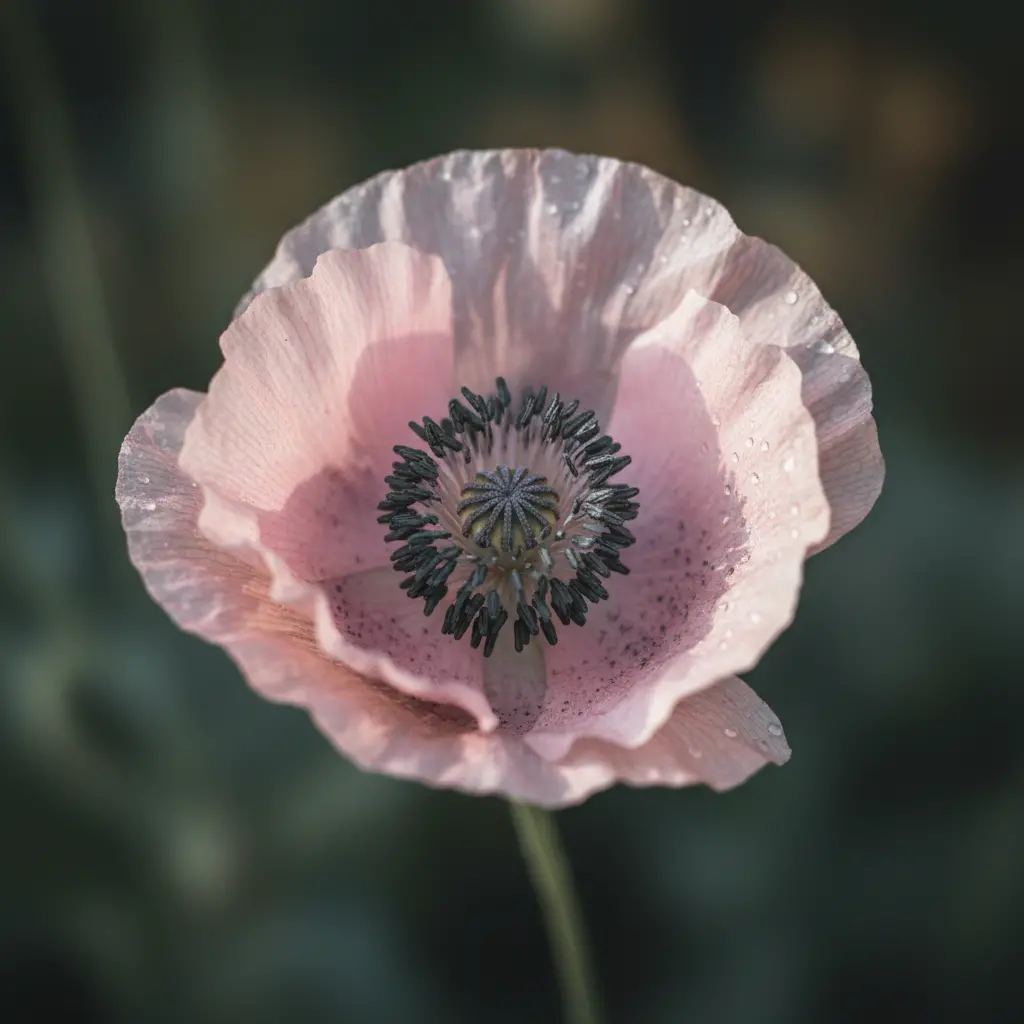
The word 'pretty' comes from the Old English 'pryttig', meaning 'cunning' or 'deceitful', which transformed into 'pretty' over time to reference attractiveness. Imagine a delicate flower that catches the eye—creating charm without being overpowering.
Note 1: These definitions and etymologies are not standard dictionary definitions, but extended explanations provided to help with memorization and understanding of the actual application of words. Through this background information, we strive to make words more vivid and easier to understand, and help you remember their meanings in real life.
Note 2: LexiTalk designs the learning flow around the linguistics principle of “Comprehensible Input.” When learners encounter material that is slightly above their level but still understandable from context, the brain naturally absorbs the language. That’s why we keep every word inside authentic contexts, using examples and associations to help you understand it and use it flexibly.
Read the FAQ explanation of Comprehensible InputI shift my gaze toward the window, move a hand to adjust the blinds, and let the light spill in. A small flower on the sill glows with a pretty, delicate color that softens the room. The moment feels lighter and I keep the feeling nearby, letting it color everyday talk, even when I say something mild like it’s pretty good. From this slow, practical sensation, the word begins to feel usable in real conversation.
Pretty is a versatile word in English, used to describe attractiveness in a delicate, pleasing way, and also as a mild intensifier meaning 'quite' or 'somewhat' when paired with adjectives (it's pretty good). As an adjective it can describe people, places, and things without implying high glamour—more about charm than striking looks. In informal speech, pretty often precedes adjectives, sometimes even adverbs, and it can soften criticism or praise. Note that pretty can be ambiguous depending on tone: in some contexts it means attractive, in others it simply means acceptable. Learners should watch for pronunciation and spelling differences between pretty and other synonyms like beautiful, nice, or lovely.
In English, pretty blends two ideas: aesthetics and mild emphasis. Learners must notice context: with people or places it hints charm rather than beauty, while before adjectives it shades meaning toward moderate intensity.
Which sentence below uses 'pretty' correctly?
Which word is most similar to 'pretty'?
What is the opposite of 'pretty'?
Can you think of a real-life scenario where 'pretty' would be used?
English Learning Listening Content
Listen NowDownload LexiTalk app for personalized learning experience
Download AppCookies
We use cookies for essential site functions, analytics, and ads. You can accept, reject, or manage preferences. Privacy Policy