flame - Master This Word
Master this word with our 5-step learning method – Learn English in English
Train English Through Brain Routes, Not Translation.
This page helps you stop memorizing isolated translations and start understanding a word through its shared mental image, native-style thinking, and practical training steps.
Master this word with our 5-step learning method – Learn English in English
Example sentences are the start of understanding. Don't rush to memorize. First feel how the word works in a sentence.
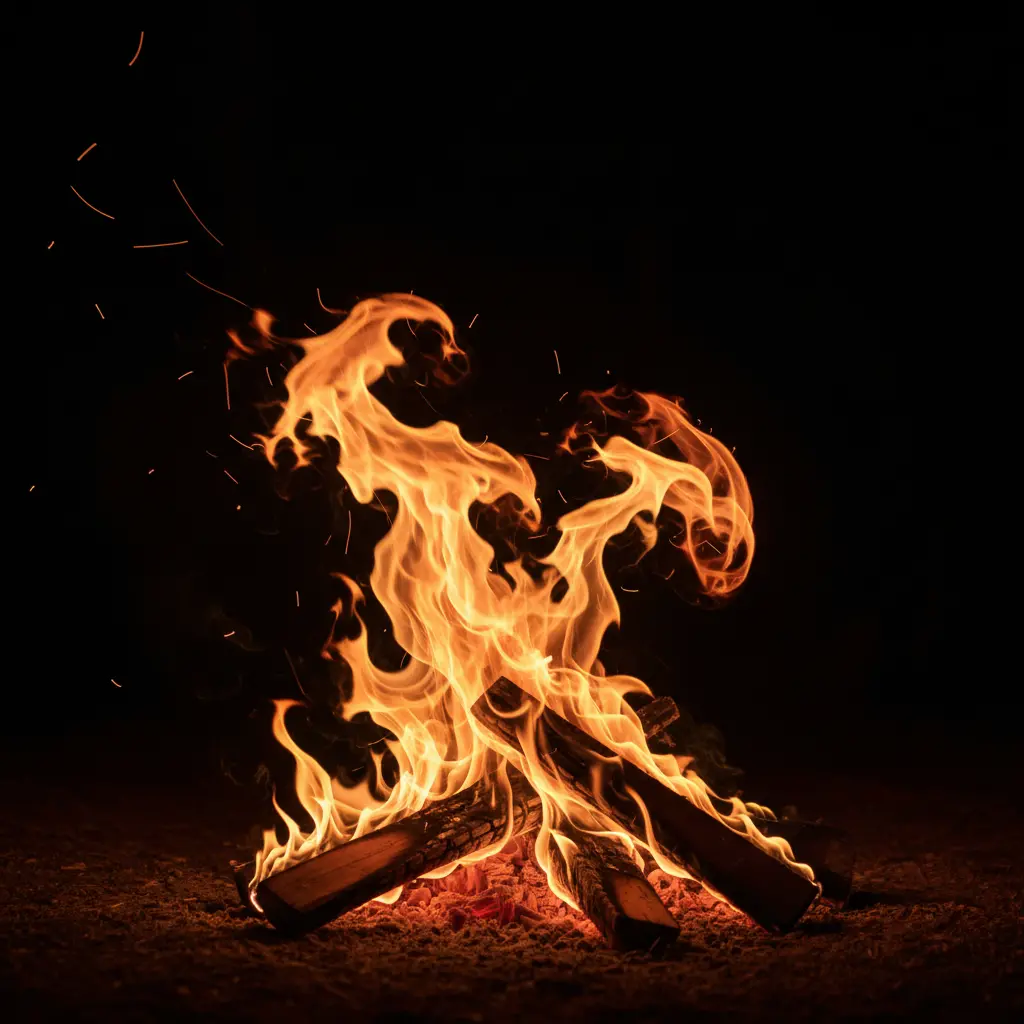
flame = fla- (to burn) + -me (noun forming) → Latin flamma → Old French flamme → English flame; imagine a dancing fire, glowing brightly in the dark, representing warmth and passion.
Note 1: These definitions and etymologies are not standard dictionary definitions, but extended explanations provided to help with memorization and understanding of the actual application of words. Through this background information, we strive to make words more vivid and easier to understand, and help you remember their meanings in real life.
Note 2: LexiTalk designs the learning flow around the linguistics principle of “Comprehensible Input.” When learners encounter material that is slightly above their level but still understandable from context, the brain naturally absorbs the language. That’s why we keep every word inside authentic contexts, using examples and associations to help you understand it and use it flexibly.
Read the FAQ explanation of Comprehensible InputI strike a match and coax a small flame to life. I move the candle a touch, pushing and pulling the wick until the glow settles into a steady rhythm. I feel the heat on my hands and adjust my grip, keeping the flame from leaping too high. The flame becomes a small companion I turn toward the task at hand and let its light guide what I do next.
Flame is the visible, hot glow of burning gas, a flame from a candle or lantern. It also carries a metaphorical sense, referring to a passionate intensity of feeling, such as a flame for someone or a flame of ambition. As a verb, flame can simply mean to burn with flames, but in modern usage it often appears in online contexts to flame someone—send sharp, hostile messages or insults. The word traces back to Latin flamma via Old French flamme, and the image of a dancing, warm tongue of fire makes flame a lively symbol of warmth, danger, romance, or fervent energy in many cultures.
Flame blends literal fire with emotion in English; learners must keep straight when to use physical nouns (flame, fire) versus metaphorical ones (a flame of passion). English also supports a vd word 'flame' as a verb in online contexts, which is less common in other languages.
In which of the following sentences is 'flame' used correctly?
Which word is similar to 'flame'?
What is the opposite of 'flame'?
In what real-life context would you most likely see a 'flame'?
English Learning Listening Content
Listen NowDownload LexiTalk app for personalized learning experience
Download AppCookies
We use cookies for essential site functions, analytics, and ads. You can accept, reject, or manage preferences. Privacy Policy