flour - Master This Word
Master this word with our 5-step learning method – Learn English in English
Train English Through Brain Routes, Not Translation.
This page helps you stop memorizing isolated translations and start understanding a word through its shared mental image, native-style thinking, and practical training steps.
Master this word with our 5-step learning method – Learn English in English
Example sentences are the start of understanding. Don't rush to memorize. First feel how the word works in a sentence.
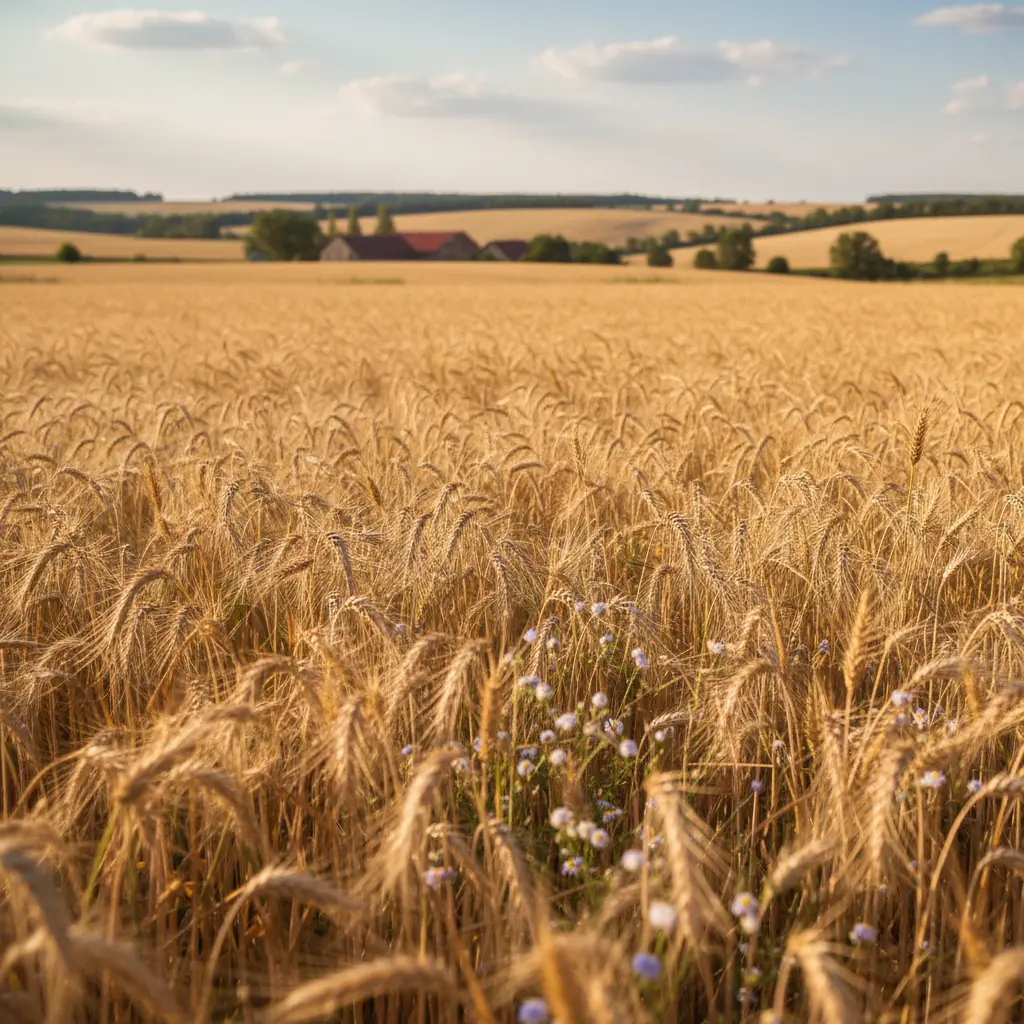
Root: flour = 'flower' (Old French: 'flor', Latin: 'florem') from the sense of flowering grain. Historical origin: Latin → Old French → English. Memory image: Imagine a field of blooming wheat, as flour is the 'flower' of the grain—representing the transformation of plants into essential cooking ingredients.
Note 1: These definitions and etymologies are not standard dictionary definitions, but extended explanations provided to help with memorization and understanding of the actual application of words. Through this background information, we strive to make words more vivid and easier to understand, and help you remember their meanings in real life.
Note 2: LexiTalk designs the learning flow around the linguistics principle of “Comprehensible Input.” When learners encounter material that is slightly above their level but still understandable from context, the brain naturally absorbs the language. That’s why we keep every word inside authentic contexts, using examples and associations to help you understand it and use it flexibly.
Read the FAQ explanation of Comprehensible InputI hold the bag steady and tilt it a little, watching flour drift onto the counter. I move a scoop, then adjust my grip as the powder blooms in the air. The dry grains brush my fingertips, a cool, soft feel that makes my hands learn the rhythm, the shift as I turn toward the bowl. That tiny white dust marks how I’ll bake today, as the flour gets set into dough and batter.
Flour is a fine powder ground from grains such as wheat, corn, or rye. In baking and cooking, it is a fundamental ingredient for bread, cakes, pastries, and sauces. Flour can also thicken soups and gravies, and cooks dust surfaces or coat foods before frying. When a recipe says to flour a pan, it means to dust it with a light layer of flour so batter won't stick. The word flour reflects an old sense of flowering grain, and is etymologically related to flower. Understanding these uses helps prevent common mistakes, like confusing flour with sugar or mistaking bread flour for all purpose flour.
Explain to an English speaker (short): Flour is a noun for a powder used in baking, but in English we also use flour as a verb meaning to dust with flour. Learners often mix up flour with sugar or baking powder, or assume all flours behave the same in recipes.
What is the meaning of the word 'flour'?
In which sentence is the word 'flour' used correctly?
Which of the following words is a synonym for 'flour'?
In what real-life context would you commonly find 'flour'?
Can you explain what 'flour' is used for in cooking?
Download LexiTalk app for personalized learning experience
Download AppCookies
We use cookies for essential site functions, analytics, and ads. You can accept, reject, or manage preferences. Privacy Policy