forested - Master This Word
Master this word with our 5-step learning method – Learn English in English
Train English Through Brain Routes, Not Translation.
This page helps you stop memorizing isolated translations and start understanding a word through its shared mental image, native-style thinking, and practical training steps.
Master this word with our 5-step learning method – Learn English in English
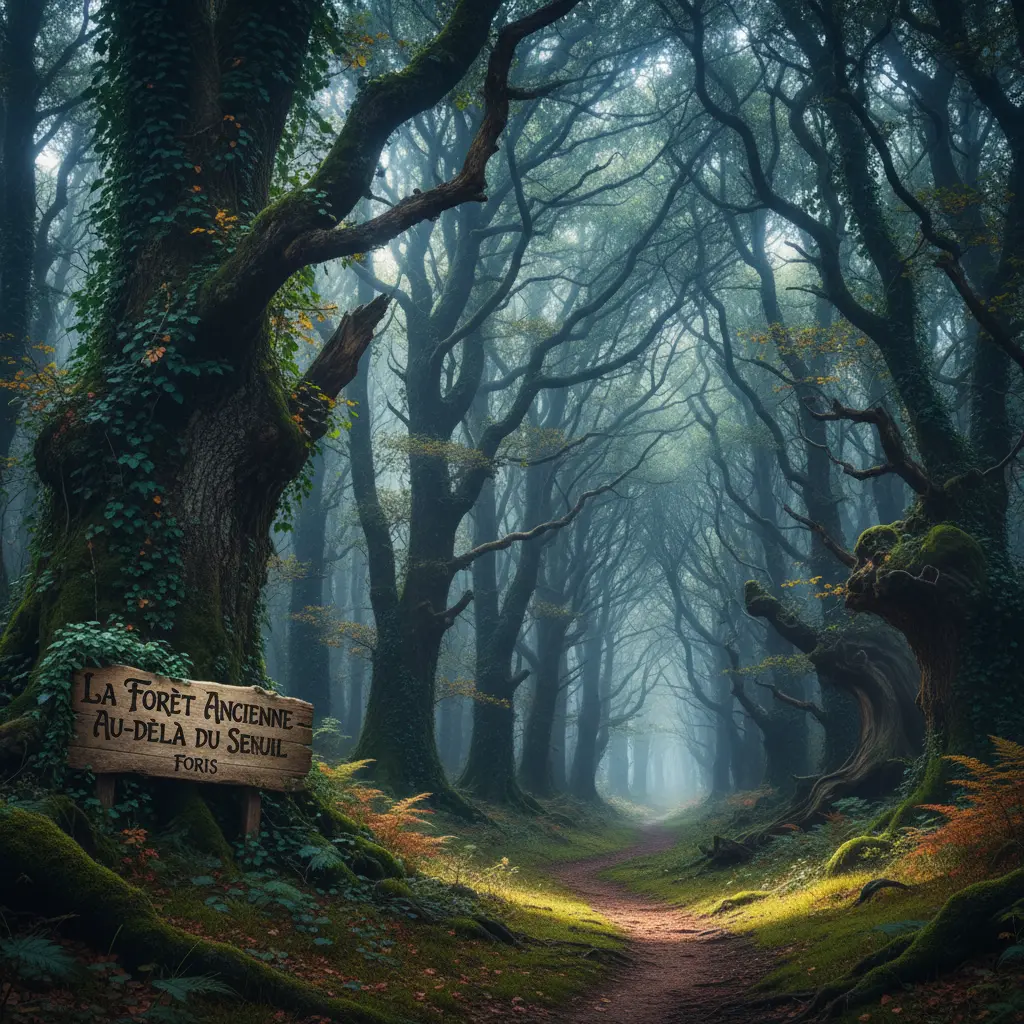
Example sentences are the start of understanding. Don't rush to memorize. First feel how the word works in a sentence.
Old French 'forest' (from Latin 'forestis', meaning 'of the woods') + root: 'foris' (out of doors). Imagine standing at the edge of a dense woodland, where the tree trunks tower above like ancient giants, creating a world full of wonder and adventure, much like a storybook forest.
Note 1: These definitions and etymologies are not standard dictionary definitions, but extended explanations provided to help with memorization and understanding of the actual application of words. Through this background information, we strive to make words more vivid and easier to understand, and help you remember their meanings in real life.
Note 2: LexiTalk designs the learning flow around the linguistics principle of “Comprehensible Input.” When learners encounter material that is slightly above their level but still understandable from context, the brain naturally absorbs the language. That’s why we keep every word inside authentic contexts, using examples and associations to help you understand it and use it flexibly.
Read the FAQ explanation of Comprehensible InputI step into cool shade and move my feet along a carpet of pine needles. I push through a line of trees, watching light shift as I slow and adjust my pace. The forest seems to breathe around me, and I hold my breath a moment when a sudden breeze whispers through the branches. I learn to keep going, not with a plan, but by listening to the quiet and letting the scene set its own rhythm.
Forest is a large area covered chiefly with trees and undergrowth, and it can also refer to a dense stand of trees or to a setting that evokes mystery or adventure. In everyday English, you might say you are hiking in the forest, walking along a forest path, or imagining a forest as the backdrop for a story or film. The word carries subtle connotations of size and mood: a forest can feel ancient or serene, dangerous or magical, depending on light, weather, and wildlife. Learners should distinguish forest from woods or wood, noting that forest is broader, often wilder, and used in literary or descriptive contexts.
Forest tends to be perceived as a large, sometimes wild natural area; learners should distinguish it from woods and jungle, and recognize its literary or descriptive weight.
What is the meaning of 'forested'?
Choose the correct sentence that uses 'forested' appropriately.
Which word is most similar to 'forested'?
What is the opposite of 'forested'?
Can you think of a real-life context where 'forested' might be used?
English Learning Listening Content
Listen NowDownload LexiTalk app for personalized learning experience
Download AppCookies
We use cookies for essential site functions, analytics, and ads. You can accept, reject, or manage preferences. Privacy Policy