future - Master This Word
Master this word with our 5-step learning method – Learn English in English
Train English Through Brain Routes, Not Translation.
This page helps you stop memorizing isolated translations and start understanding a word through its shared mental image, native-style thinking, and practical training steps.
Master this word with our 5-step learning method – Learn English in English
Example sentences are the start of understanding. Don't rush to memorize. First feel how the word works in a sentence.
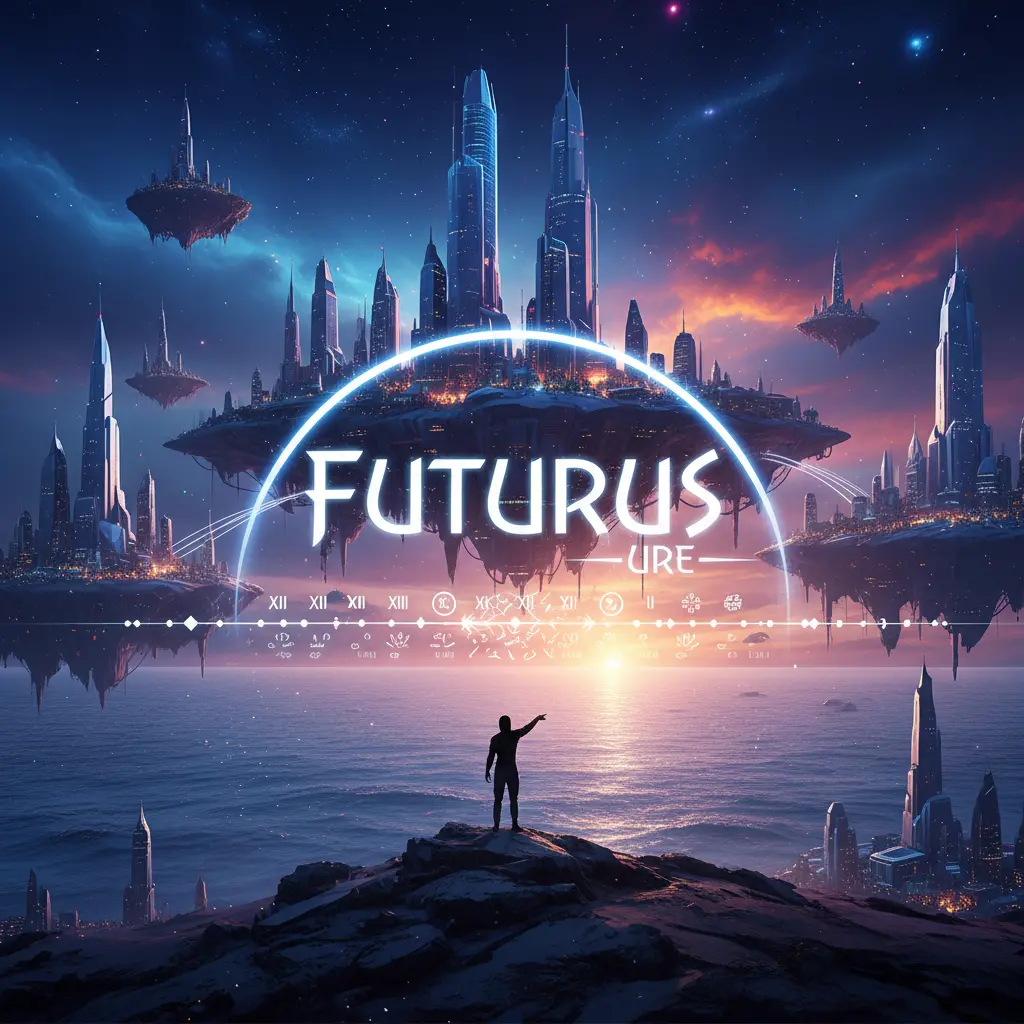
future = futurus (Latin, meaning 'to be') + -ure (noun suffix); from Latin to Old French to English. Imagine a horizon stretching endlessly ahead, symbolizing all possibilities yet to come.
Note 1: These definitions and etymologies are not standard dictionary definitions, but extended explanations provided to help with memorization and understanding of the actual application of words. Through this background information, we strive to make words more vivid and easier to understand, and help you remember their meanings in real life.
Note 2: LexiTalk designs the learning flow around the linguistics principle of “Comprehensible Input.” When learners encounter material that is slightly above their level but still understandable from context, the brain naturally absorbs the language. That’s why we keep every word inside authentic contexts, using examples and associations to help you understand it and use it flexibly.
Read the FAQ explanation of Comprehensible InputFirst I move a finger along a calendar, turning the page and watching the days shift. I set a plan in motion, and the hand keeps the rhythm as I adjust the timetable. The future feels like a path I hold and push forward, a line that changes shape with every decision. The more I place tiny steps today, the more the possible becomes real, a morning turning toward what might be.
Future is a word that can act as a noun or an adjective, referring to the time yet to come, a possibility or prospect, or the outcome of events. In everyday English we discuss the future with will, be going to, or the present continuous for planned actions. The term appears in phrases such as future generations, future plans, and futuristic designs. Its etymology traces to Latin futurus, passing through Old French into English, carrying the sense of what is to be. The concept blends time, uncertainty, and potential, inviting speakers to express expectations, forecasts, and responsibilities for what lies ahead.
In English, future often marks a time ahead with modal verbs and tense choices; learners must track whether future expresses certainty, plan, or possibility, which can vary by context.
What is the meaning of the word 'future'?
Which sentence uses the word 'future' correctly?
Which word is most similar to 'future'?
What is the opposite of 'future'?
Can you think of a real-life scenario involving events that have not yet occurred?
Download LexiTalk app for personalized learning experience
Download AppCookies
We use cookies for essential site functions, analytics, and ads. You can accept, reject, or manage preferences. Privacy Policy