glass - Master This Word
Master this word with our 5-step learning method – Learn English in English
Train English Through Brain Routes, Not Translation.
This page helps you stop memorizing isolated translations and start understanding a word through its shared mental image, native-style thinking, and practical training steps.
Master this word with our 5-step learning method – Learn English in English
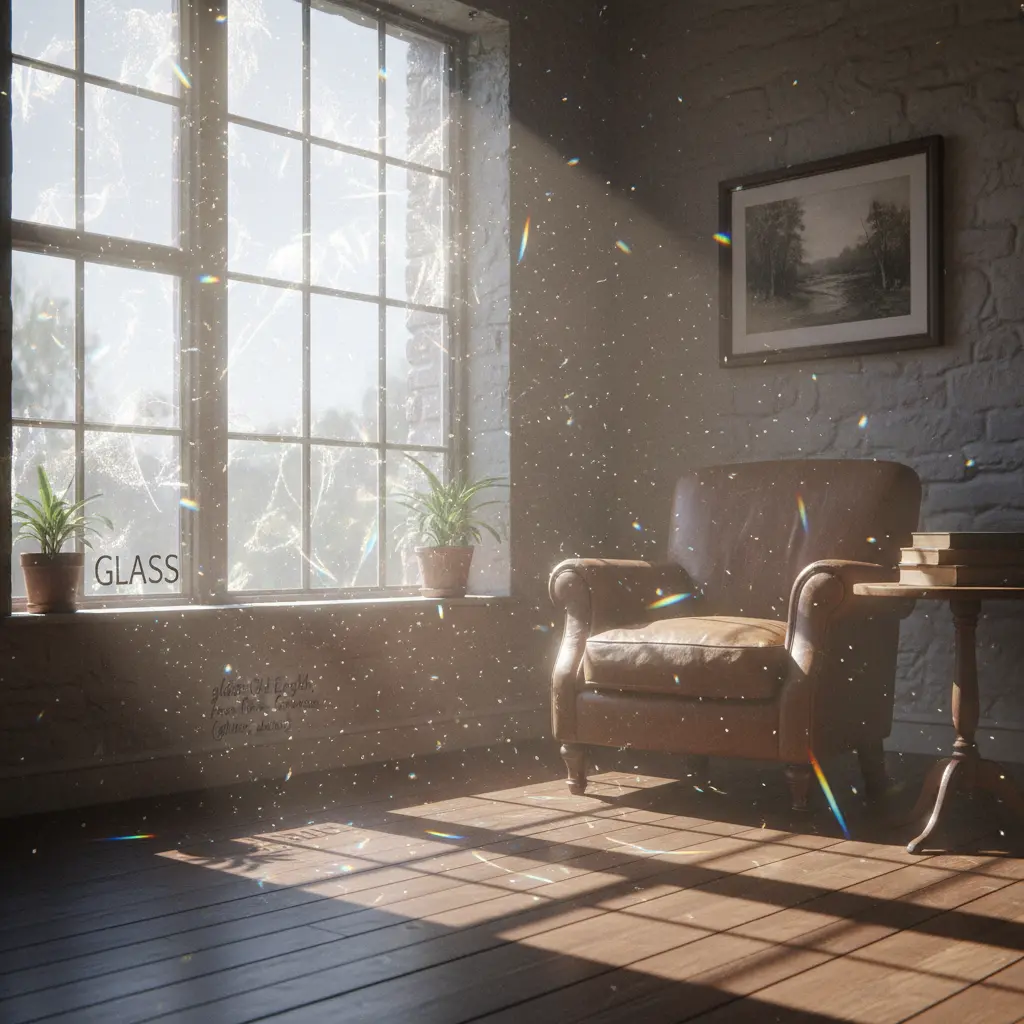
Example sentences are the start of understanding. Don't rush to memorize. First feel how the word works in a sentence.
glass: from Old English 'glæs', possibly derived from Proto-Germanic '*glas', meaning 'glitter' or 'shine'. Imagine sunlight sparkling through a clear glass window, illuminating a room.
Note 1: These definitions and etymologies are not standard dictionary definitions, but extended explanations provided to help with memorization and understanding of the actual application of words. Through this background information, we strive to make words more vivid and easier to understand, and help you remember their meanings in real life.
Note 2: LexiTalk designs the learning flow around the linguistics principle of “Comprehensible Input.” When learners encounter material that is slightly above their level but still understandable from context, the brain naturally absorbs the language. That’s why we keep every word inside authentic contexts, using examples and associations to help you understand it and use it flexibly.
Read the FAQ explanation of Comprehensible InputI move my hand to lift a glass from the table and feel the cool edge against my skin. I hold it steady, adjust my grip, and turn it toward the window so light can slip through. The scene through the glass shifts as I tilt it slightly, revealing how it can hold liquid and carry a glow. Set back on the saucer, the moment stays with me, the glass reminding me to pay attention and to keep control around fragile things.
Glass is a versatile noun in English, referring both to the clear material formed by fusing sand with soda and lime and to objects made from that material. When talking about the material, we usually treat it as uncountable: 'glass is brittle' or 'this window is made of glass.' When referring to drinkware or containers, we use countable forms like 'a glass' for a drinking vessel and 'glasses' for multiple cups or for spectacles, depending on context. A common learner pitfall is confusing 'glass' (material) with 'glasses' (spectacles) or with 'glassware' as a broad category. Pronunciation centers on /ɡlæs/ with a short a, and context often dictates whether you mean the substance or a specific object.
Glass in English often shifts between material and object meaning, so learners must watch for uncountable vs countable use and for plural forms like glasses (spectacles) vs drinking glasses.
What is the meaning of the word 'glass'?
How is 'glass' typically used?
Which of the following is a similar word to 'glass'?
What is the opposite of 'glass'?
In what real-life context would you most likely encounter 'glass'?
Download LexiTalk app for personalized learning experience
Download AppCookies
We use cookies for essential site functions, analytics, and ads. You can accept, reject, or manage preferences. Privacy Policy