honey - Master This Word
Master this word with our 5-step learning method – Learn English in English
Train English Through Brain Routes, Not Translation.
This page helps you stop memorizing isolated translations and start understanding a word through its shared mental image, native-style thinking, and practical training steps.
Master this word with our 5-step learning method – Learn English in English
Example sentences are the start of understanding. Don't rush to memorize. First feel how the word works in a sentence.
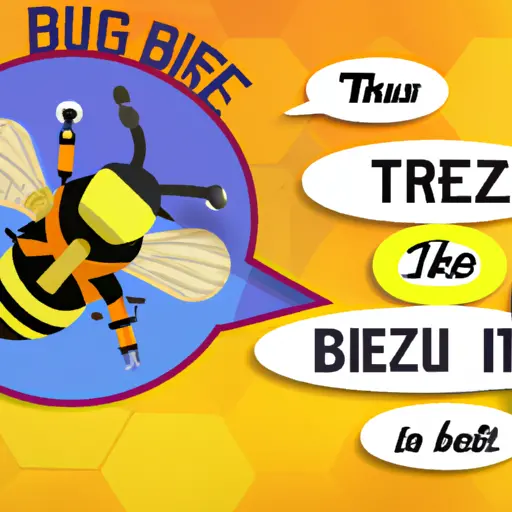
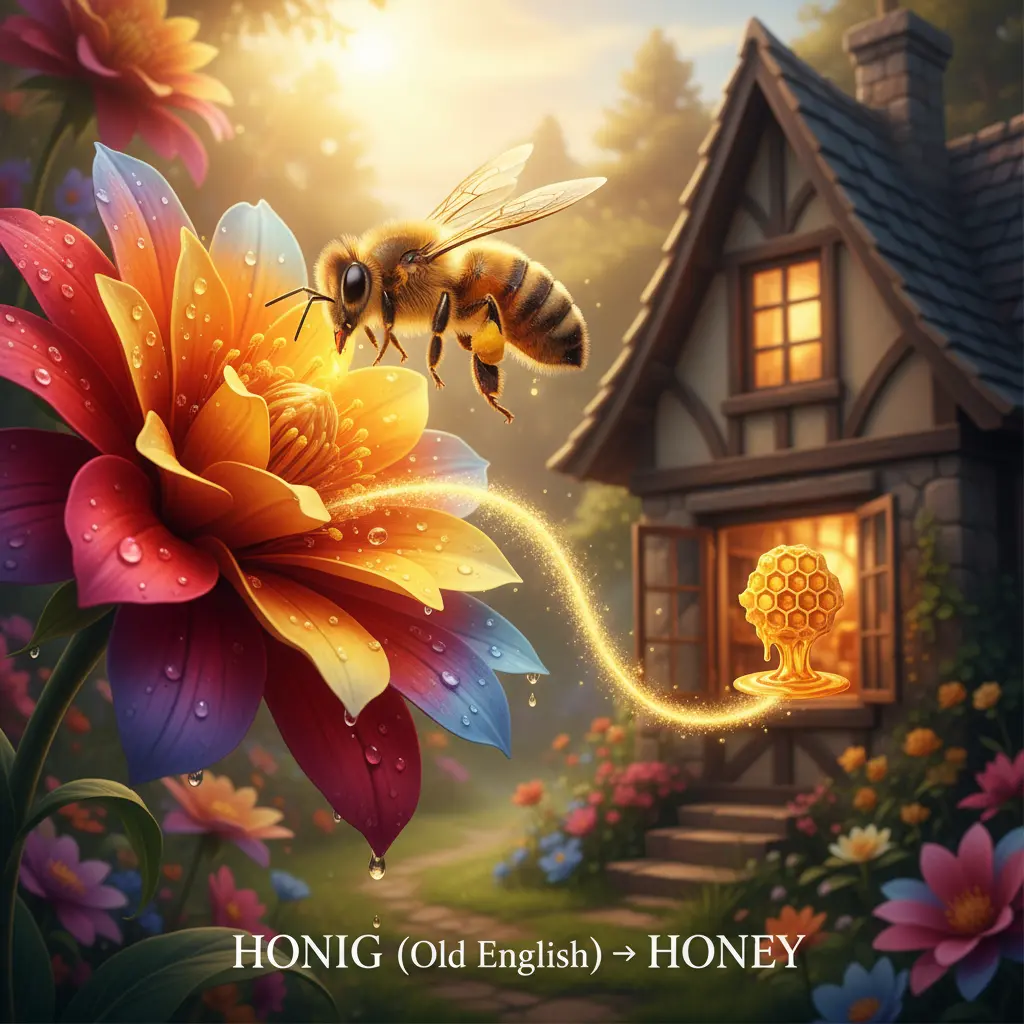
honey = honig (Old English), from Proto-Germanic *hunangą; historical origin: Old English → Middle English → Modern English; memory image: imagine a honeybee buzzing near colorful flowers, bringing sweet nectar to your home.
Note 1: These definitions and etymologies are not standard dictionary definitions, but extended explanations provided to help with memorization and understanding of the actual application of words. Through this background information, we strive to make words more vivid and easier to understand, and help you remember their meanings in real life.
Note 2: LexiTalk designs the learning flow around the linguistics principle of “Comprehensible Input.” When learners encounter material that is slightly above their level but still understandable from context, the brain naturally absorbs the language. That’s why we keep every word inside authentic contexts, using examples and associations to help you understand it and use it flexibly.
Read the FAQ explanation of Comprehensible InputI reach for a sticky jar and steady my hand as I tilt it a bit, watching the golden drop shift along the spoon. I feel a warm, buzzing memory rise as the scent fills the air and I push the honey toward my lips, a small, careful turn of the head. The taste settles slow, and I hold the moment, noticing how the sweetness makes the world feel lighter and more pleasant. From that tiny motion, I begin to see how honey can be something you share with someone dear, a soft, sweet touch that sticks.
Honey is a versatile English word with three common meanings: the sweet substance produced by bees, a warm term of endearment for a loved one, and a general descriptor for something especially pleasant or enjoyable. In everyday speech you might say I love honey on toast, or you might hear someone call a close friend honey as a playful nickname. The memory image of a buzzing bee visiting bright flowers helps learners connect the literal bee product to the metaphorical senses, and it reminds you to watch for context cues that signal affection or delight rather than a simple food reference.
Honey covers three senses in English, so learners must watch for context cues to distinguish food, pet-name, and benign or pleasant descriptions. A common pitfall is treating honey only as the edible item and missing the endearing use.
What is the meaning of the word 'honey'?
How is the word 'honey' commonly used?
What is a similar word to 'honey'?
What is an opposite word to 'honey'?
In what real-life context might you use the word 'honey'?
Download LexiTalk app for personalized learning experience
Download AppCookies
We use cookies for essential site functions, analytics, and ads. You can accept, reject, or manage preferences. Privacy Policy