hurricane - Master This Word
Master this word with our 5-step learning method – Learn English in English
Train English Through Brain Routes, Not Translation.
This page helps you stop memorizing isolated translations and start understanding a word through its shared mental image, native-style thinking, and practical training steps.
Master this word with our 5-step learning method – Learn English in English
Example sentences are the start of understanding. Don't rush to memorize. First feel how the word works in a sentence.
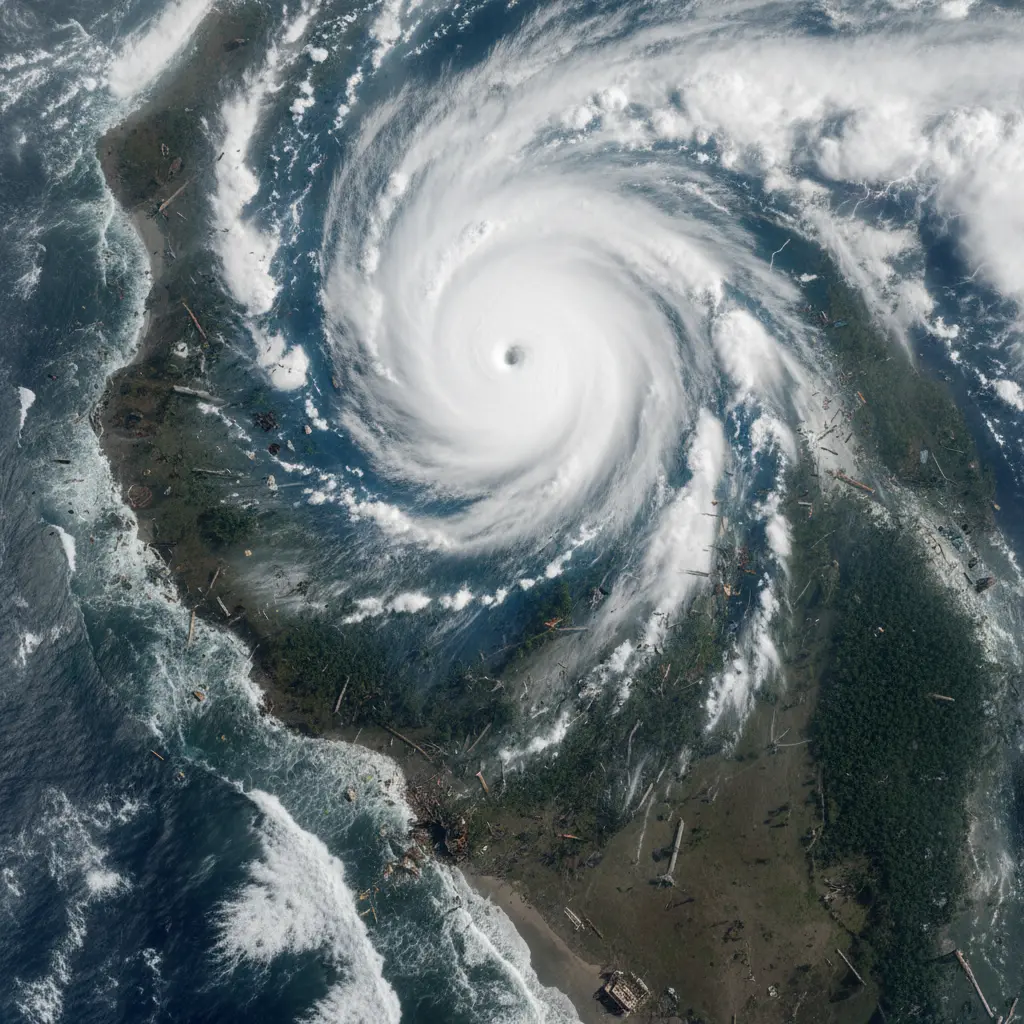
hurricane = hurri- (from 'huracan', meaning 'storm' in Taíno) + cane (root). Origin: Taíno → Spanish → English. Imagine a massive storm swirling with fierce winds, uprooting trees and sending debris flying.
Note 1: These definitions and etymologies are not standard dictionary definitions, but extended explanations provided to help with memorization and understanding of the actual application of words. Through this background information, we strive to make words more vivid and easier to understand, and help you remember their meanings in real life.
Note 2: LexiTalk designs the learning flow around the linguistics principle of “Comprehensible Input.” When learners encounter material that is slightly above their level but still understandable from context, the brain naturally absorbs the language. That’s why we keep every word inside authentic contexts, using examples and associations to help you understand it and use it flexibly.
Read the FAQ explanation of Comprehensible InputI grip the doorframe and plant my feet as the wind starts to move the branches. Rain hammers the window and I shift my weight to stay steady, listening to what the storm asks me to do. I adjust the plan in my head, decide what to push back against and what to let go, and keep the lamp set on a high shelf. The chaos becomes a rhythm inside me, teaching me to respond rather than explain.
A hurricane is a powerful tropical cyclone with strong winds, heavy rain, and the potential to cause widespread damage and flooding. In meteorology, it forms over warm ocean waters and spins counterclockwise in the Northern Hemisphere, releasing energy that fuels its intensity. People prepare by securing property, following evacuation orders, and listening to weather updates. The term can also be used metaphorically to describe a chaotic, overwhelming situation, such as a hurricane of complaints or problems that overwhelms a team. Learners often confuse hurricane with cyclone or typhoon by region, or confuse it with simply a storm, so understanding scale and location matters.
Hurricane is a regional term for a powerful tropical cyclone; English speakers may picture it as a single big storm and miss the regional naming differences (typhoon, cyclone). Learners also overextend metaphoric use without noting its severity or regional relevance.
What is the meaning of the word 'hurricane'?
Which of the following sentences uses 'hurricane' correctly?
Pick the word most similar in meaning to 'hurricane':
What is the opposite of 'hurricane'?
In what real-life context would you hear the word 'hurricane'?
Download LexiTalk app for personalized learning experience
Download AppCookies
We use cookies for essential site functions, analytics, and ads. You can accept, reject, or manage preferences. Privacy Policy