
inoffensive - Master This Word
Master this word with our 5-step learning method – Learn English in English
Train English Through Brain Routes, Not Translation.
This page helps you stop memorizing isolated translations and start understanding a word through its shared mental image, native-style thinking, and practical training steps.
Master this word with our 5-step learning method – Learn English in English
Example sentences are the start of understanding. Don't rush to memorize. First feel how the word works in a sentence.
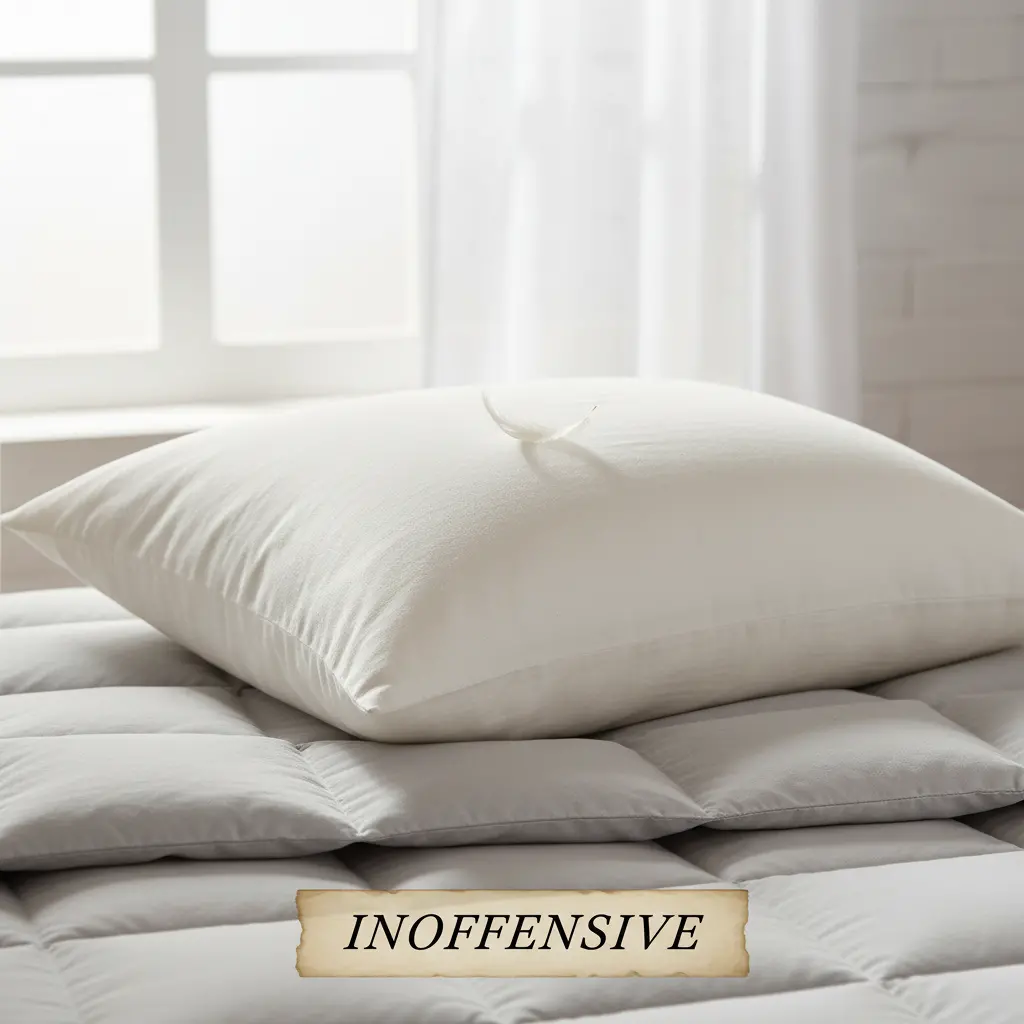
Root: 'in-' (not) + 'offensive' (causing offense). Historical Origin: Latin 'inoffensivus' → Old French → English. Memory Image: Imagine a soft pillow that doesn't provoke any strong feelings, just comforting and gentle.
Note 1: These definitions and etymologies are not standard dictionary definitions, but extended explanations provided to help with memorization and understanding of the actual application of words. Through this background information, we strive to make words more vivid and easier to understand, and help you remember their meanings in real life.
Note 2: LexiTalk designs the learning flow around the linguistics principle of “Comprehensible Input.” When learners encounter material that is slightly above their level but still understandable from context, the brain naturally absorbs the language. That’s why we keep every word inside authentic contexts, using examples and associations to help you understand it and use it flexibly.
Read the FAQ explanation of Comprehensible Inputinoffensive describes something that does not cause harm or offense. It can refer to remarks, actions, or objects that are gentle, unobtrusive, and safe for most people. When a person or message is inoffensive, it avoids strong or provocative language and sticks to neutral, tactful territory. Writers often choose inoffensive terms to remain polite or inclusive, especially in sensitive contexts such as workplace communications, customer service, or interpersonal misunderstandings. However, inoffensive does not imply dull or weak; it can still be clear or persuasive without triggering anger or resentment. In everyday English, describing humor, products, or behavior as inoffensive signals that the impact is mild and nonconfrontational.
In English, inoffensive centers on tone and impact rather than blunt politeness alone; learners often over-focus on being 'safe' and miss when a context actually calls for sharper language.
What does the word 'inoffensive' mean?
Choose the correct usage of the word 'inoffensive' in a sentence.
Which word is most similar to 'inoffensive'?
What is the opposite of the word 'inoffensive'?
Can you think of a real-life context where something might be inoffensive?
Download LexiTalk app for personalized learning experience
Download AppCookies
We use cookies for essential site functions, analytics, and ads. You can accept, reject, or manage preferences. Privacy Policy