insects - Master This Word
Master this word with our 5-step learning method – Learn English in English
Train English Through Brain Routes, Not Translation.
This page helps you stop memorizing isolated translations and start understanding a word through its shared mental image, native-style thinking, and practical training steps.
Master this word with our 5-step learning method – Learn English in English
Example sentences are the start of understanding. Don't rush to memorize. First feel how the word works in a sentence.
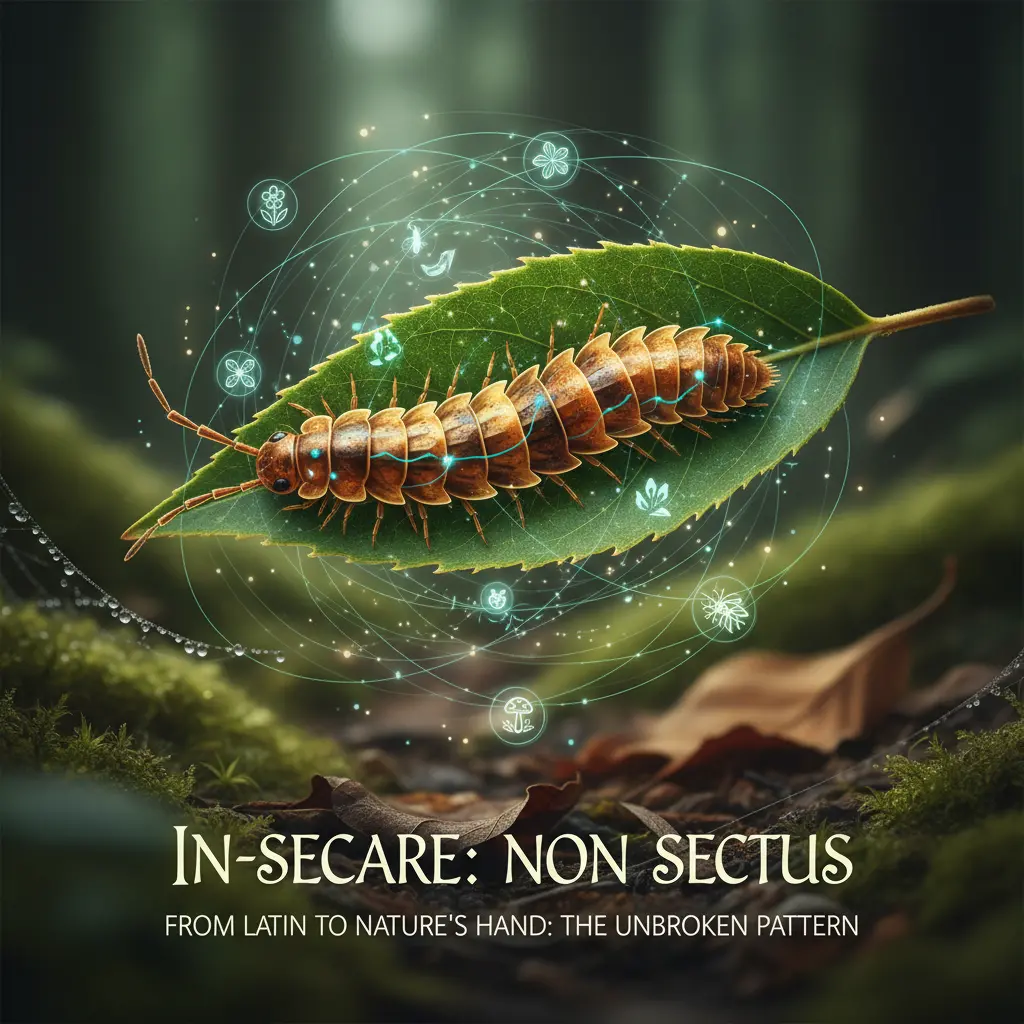
insect = in- (not) + secare (to cut) | Latin → Old French → English. Imagine a tiny bug being sliced by a leaf, representing its segmented body, while its role in the ecosystem shapes our understanding of nature.
Note 1: These definitions and etymologies are not standard dictionary definitions, but extended explanations provided to help with memorization and understanding of the actual application of words. Through this background information, we strive to make words more vivid and easier to understand, and help you remember their meanings in real life.
Note 2: LexiTalk designs the learning flow around the linguistics principle of “Comprehensible Input.” When learners encounter material that is slightly above their level but still understandable from context, the brain naturally absorbs the language. That’s why we keep every word inside authentic contexts, using examples and associations to help you understand it and use it flexibly.
Read the FAQ explanation of Comprehensible InputI cup my hands and move toward a tiny insect resting on a leaf. I tilt the jar, place it over the leaf, and push the lid closed just enough to keep it inside. A quick breath, a small adjust, and I hold the jar steady, watching the insect shift for a moment and settle. In that moment I feel how small choices can shape what happens next, and the word insect becomes part of a real, lived moment.
In English, the word insect refers to a small arthropod animal with six legs, a body divided into three distinct sections, and often wings. In daily usage it covers both harmless creatures such as bees and butterflies and pests such as aphids, depending on the context. In biology we classify insects in the class Insecta, and in gardening or pest control the term is common when discussing life cycles, behavior, and management strategies. Because some English speakers use insect to mean any small bug, learners should note the precise definitions and practice phrases like insect bite, insect species, and insect population to avoid vague wording.
Learners often picture insects as tiny pests in English, focused on nuisance contexts; many English nouns also cover broad categories. The challenge is to shift to a precise biological sense and mix with correct collocations.
Download LexiTalk app for personalized learning experience
Download AppCookies
We use cookies for essential site functions, analytics, and ads. You can accept, reject, or manage preferences. Privacy Policy