
lady - Master This Word
Master this word with our 5-step learning method – Learn English in English
Train English Through Brain Routes, Not Translation.
This page helps you stop memorizing isolated translations and start understanding a word through its shared mental image, native-style thinking, and practical training steps.
Master this word with our 5-step learning method – Learn English in English
Example sentences are the start of understanding. Don't rush to memorize. First feel how the word works in a sentence.
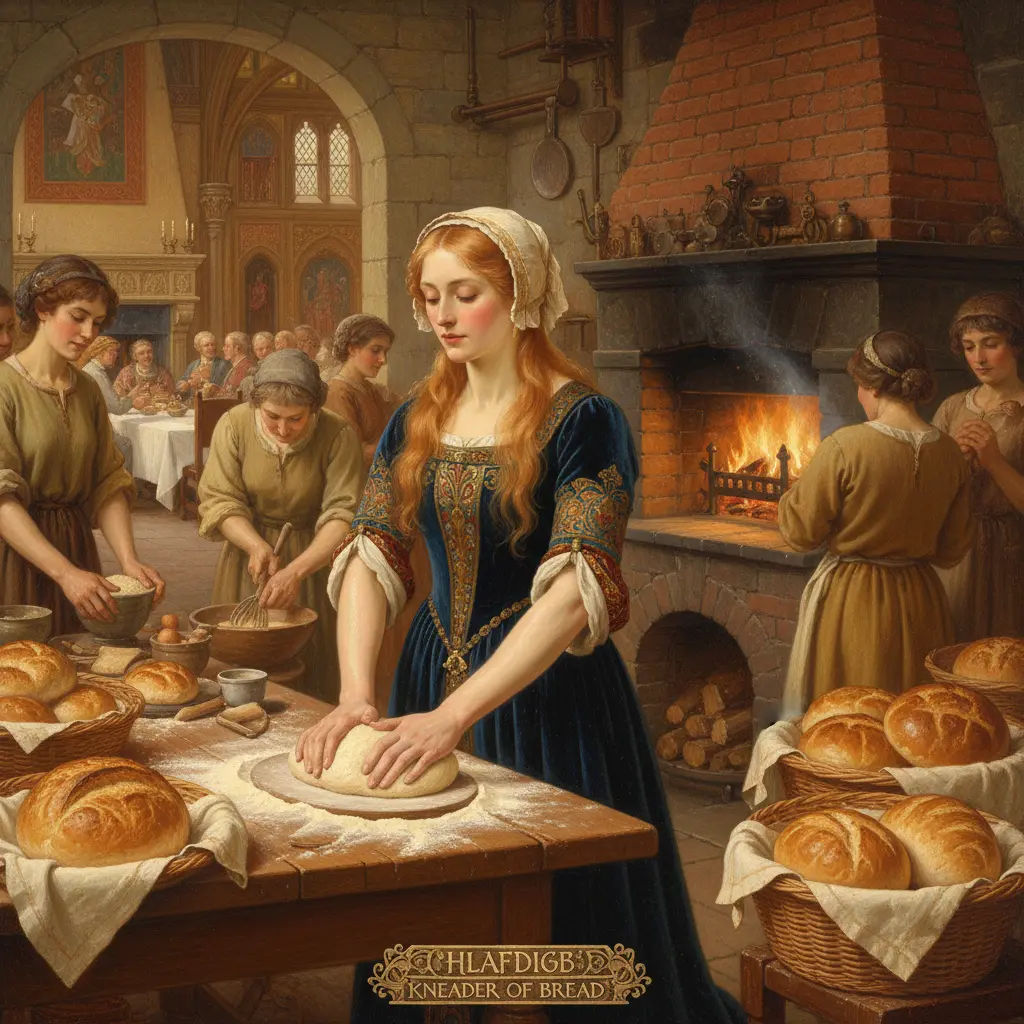
lady = 'loaf' (bread) + '-y' (a suffix for nouns); Originated from Old English 'hlafdiġe', meaning 'kneader of bread'; Visualize a noblewoman baking bread for her guests, showing hospitality.
Note 1: These definitions and etymologies are not standard dictionary definitions, but extended explanations provided to help with memorization and understanding of the actual application of words. Through this background information, we strive to make words more vivid and easier to understand, and help you remember their meanings in real life.
Note 2: LexiTalk designs the learning flow around the linguistics principle of “Comprehensible Input.” When learners encounter material that is slightly above their level but still understandable from context, the brain naturally absorbs the language. That’s why we keep every word inside authentic contexts, using examples and associations to help you understand it and use it flexibly.
Read the FAQ explanation of Comprehensible InputI reach out to steady the door as a room hums with quiet chatter. I push it open and let a calm space between us, watching a woman in a neat dress move through. The moment asks for cadence and care, a small adjustment in how I speak and whom I address. In that pause, the word 'lady' shifts from a label I hear to a polite, human touch I choose to use when greeting or speaking of someone with grace.
Lady is a polite, formal term for a woman, often implying higher social status or refined manners. Historically it referred to noble or married women, but today it can simply mark courtesy in various contexts. In modern usage, 'ladies' can appear in greetings, invitations, or etiquette guides, while 'lady' may sound old-fashioned or ceremonial in casual conversation. Learners should distinguish 'lady' from 'woman' or 'girl' and from titles like Mrs., Ms., or Miss, as appropriate. The word carries cultural nuance about propriety, gender, and respect, and can vary by region: American, British, or other English variants. Used thoughtfully, it adds politeness without sounding pompous.
Explain to an English speaker (meta, keep short)
In which of the following situations would you use the word 'lady'?
Which word is similar to 'lady'?
What is the opposite of 'lady'?
Can you give an example of a real-life context where you would use the word 'lady'?
Download LexiTalk app for personalized learning experience
Download AppCookies
We use cookies for essential site functions, analytics, and ads. You can accept, reject, or manage preferences. Privacy Policy