lavender - Master This Word
Master this word with our 5-step learning method – Learn English in English
Train English Through Brain Routes, Not Translation.
This page helps you stop memorizing isolated translations and start understanding a word through its shared mental image, native-style thinking, and practical training steps.
Master this word with our 5-step learning method – Learn English in English
Example sentences are the start of understanding. Don't rush to memorize. First feel how the word works in a sentence.
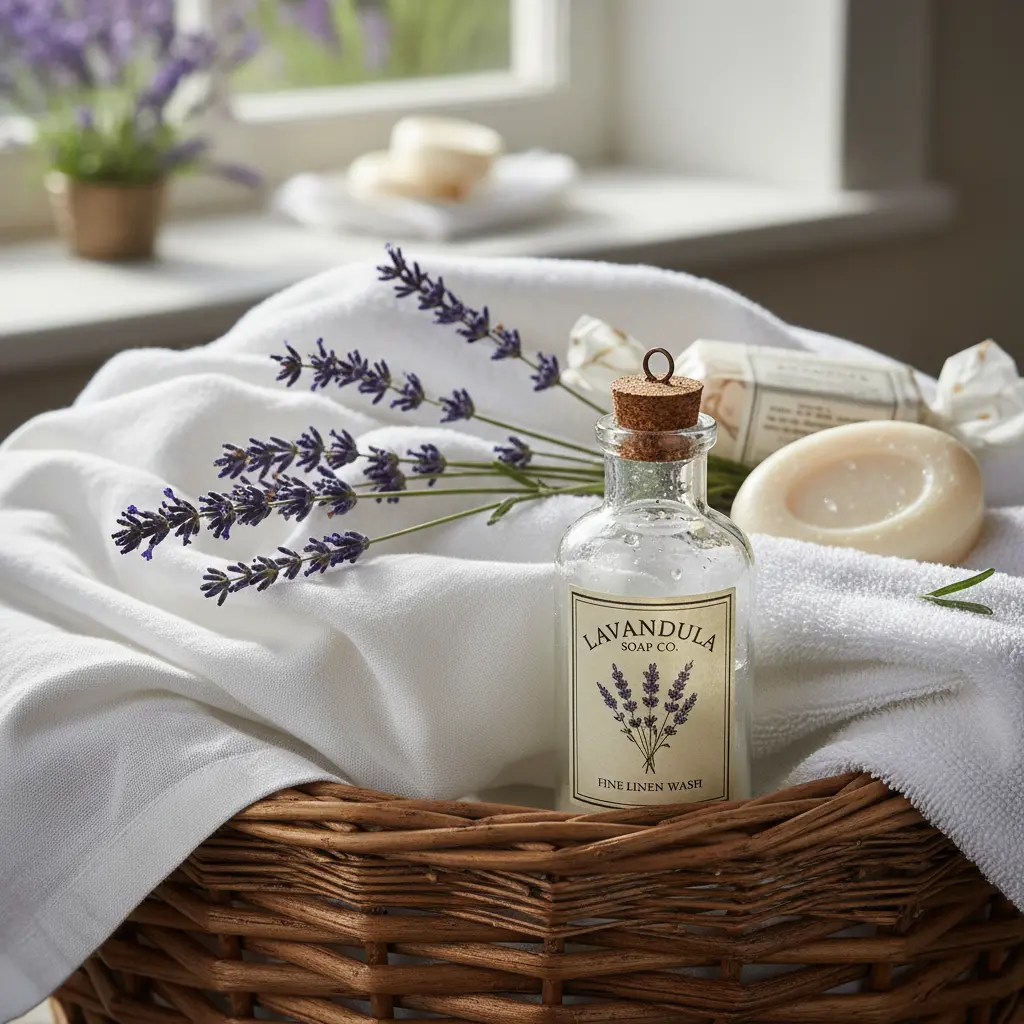
lavender = lavandula (Latin for 'to wash') + -er (a suffix denoting agent). Historical origin: Latin → Old French → English. Memory image: Imagine washing your linens with lavender-scented soap, invoking freshness and calmness.
Note 1: These definitions and etymologies are not standard dictionary definitions, but extended explanations provided to help with memorization and understanding of the actual application of words. Through this background information, we strive to make words more vivid and easier to understand, and help you remember their meanings in real life.
Note 2: LexiTalk designs the learning flow around the linguistics principle of “Comprehensible Input.” When learners encounter material that is slightly above their level but still understandable from context, the brain naturally absorbs the language. That’s why we keep every word inside authentic contexts, using examples and associations to help you understand it and use it flexibly.
Read the FAQ explanation of Comprehensible InputLavender is a versatile herb prized for its calming scent and delicate purple blossoms. In the garden, it forms compact shrubs with gray-green leaves, blooming from late spring into early summer. People use dried lavender buds in sachets and simmered syrups, and in perfumery and soaps for a clean, floral note. The essential oil distilled from lavender is popular for aromatherapy, believed to ease stress and promote restful sleep. The color named lavender sits between purple and lilac, often associated with serenity and refinement. When learners encounter lavender, they should distinguish the plant from lavender soap or the color itself, and note that lavender appears in many culinary blends, especially desserts and herb blends.
In English, lavender is often treated as three linked ideas (plant, oil, and color). Learners typically search for recipes or brand names first, then realize the word’s color sense requires a separate mental category and careful color distinction from violet and lilac.
What is the meaning of the word 'lavender'?
Which of the following sentences uses 'lavender' correctly?
Which word is a synonym of 'lavender'?
Which word is an opposite of 'lavender'?
In what real-life context would you typically find 'lavender'?
Download LexiTalk app for personalized learning experience
Download AppCookies
We use cookies for essential site functions, analytics, and ads. You can accept, reject, or manage preferences. Privacy Policy