
literacy - Master This Word
Master this word with our 5-step learning method – Learn English in English
Train English Through Brain Routes, Not Translation.
This page helps you stop memorizing isolated translations and start understanding a word through its shared mental image, native-style thinking, and practical training steps.
Master this word with our 5-step learning method – Learn English in English
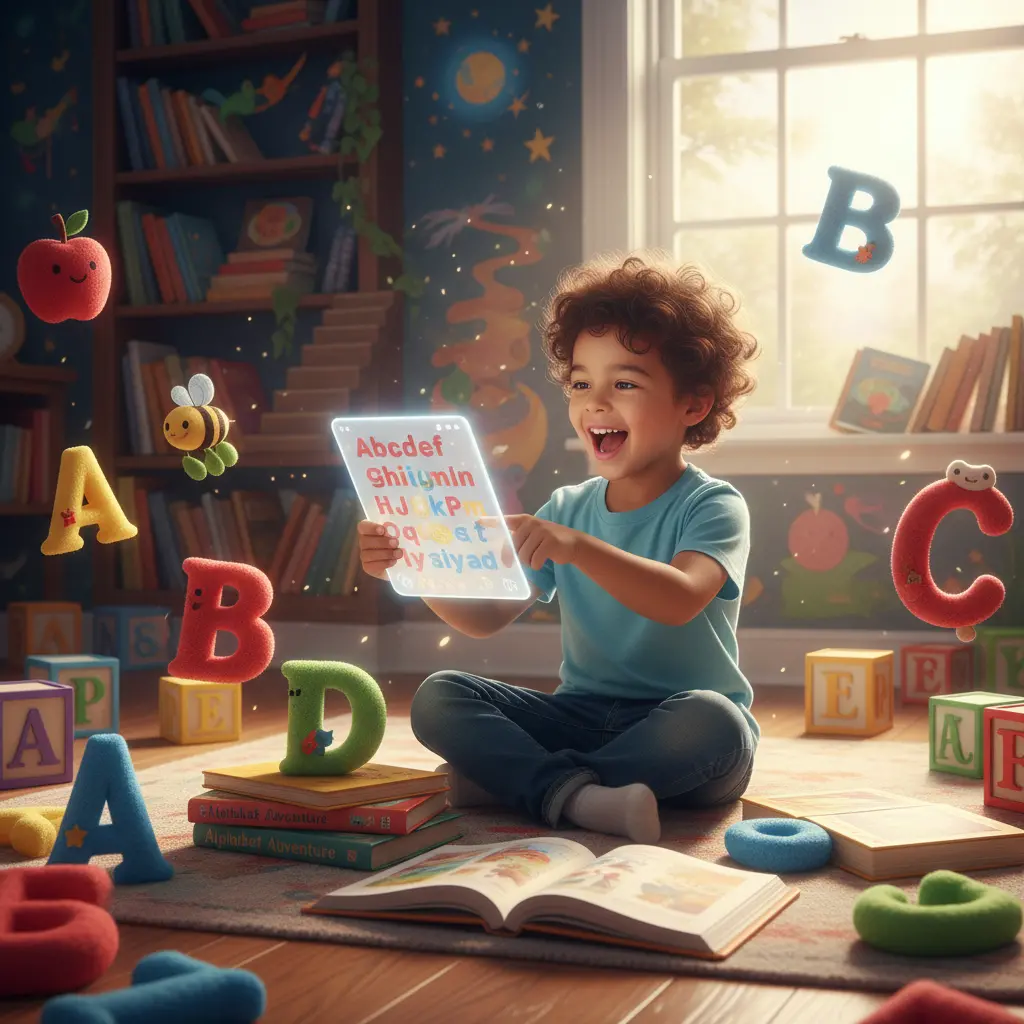
Example sentences are the start of understanding. Don't rush to memorize. First feel how the word works in a sentence.
Literacy is derived from 'literate' (littera = letter) + the suffix '-cy' (state or condition). It originates from Latin to English through Old French. Imagine a child eagerly learning their ABCs, surrounded by colorful letters that open the door to countless stories and knowledge.
Note 1: These definitions and etymologies are not standard dictionary definitions, but extended explanations provided to help with memorization and understanding of the actual application of words. Through this background information, we strive to make words more vivid and easier to understand, and help you remember their meanings in real life.
Note 2: LexiTalk designs the learning flow around the linguistics principle of “Comprehensible Input.” When learners encounter material that is slightly above their level but still understandable from context, the brain naturally absorbs the language. That’s why we keep every word inside authentic contexts, using examples and associations to help you understand it and use it flexibly.
Read the FAQ explanation of Comprehensible InputI hold a book in my hands and set my eyes on the page, then turn it to begin. As words appear, I shift my focus, push away distractions, and adjust my posture to keep reading. The line after line lets the marks settle into thoughts, and I keep moving from letter to idea. By the end, the page feels like a map I can use to know more and to find what I want to learn next.
Literacy means the ability to read and write, and it also covers knowledge in a particular subject or field. It begins with recognizing letters and sounds, then moves to understanding sentences, essays, and instructions. Good literacy supports school success, workplace communication, and informed participation in civic life. In many today’s contexts, literacy also includes digital skills, such as navigating websites, evaluating online sources, and composing emails or posts. Teachers encourage active reading, note-taking, and writing practice to build confidence. People vary in pace and focus, but strong literacy is a foundation for lifelong learning and empowerment.
Explain to an English speaker (meta, keep short)
What does 'literacy' refer to?
Which of the following sentences uses 'literacy' correctly?
What is a synonym for 'literacy'?
What is an antonym for 'literacy'?
How does 'literacy' play a role in today's society?
Download LexiTalk app for personalized learning experience
Download AppCookies
We use cookies for essential site functions, analytics, and ads. You can accept, reject, or manage preferences. Privacy Policy