lively - Master This Word
Master this word with our 5-step learning method – Learn English in English
Train English Through Brain Routes, Not Translation.
This page helps you stop memorizing isolated translations and start understanding a word through its shared mental image, native-style thinking, and practical training steps.
Master this word with our 5-step learning method – Learn English in English
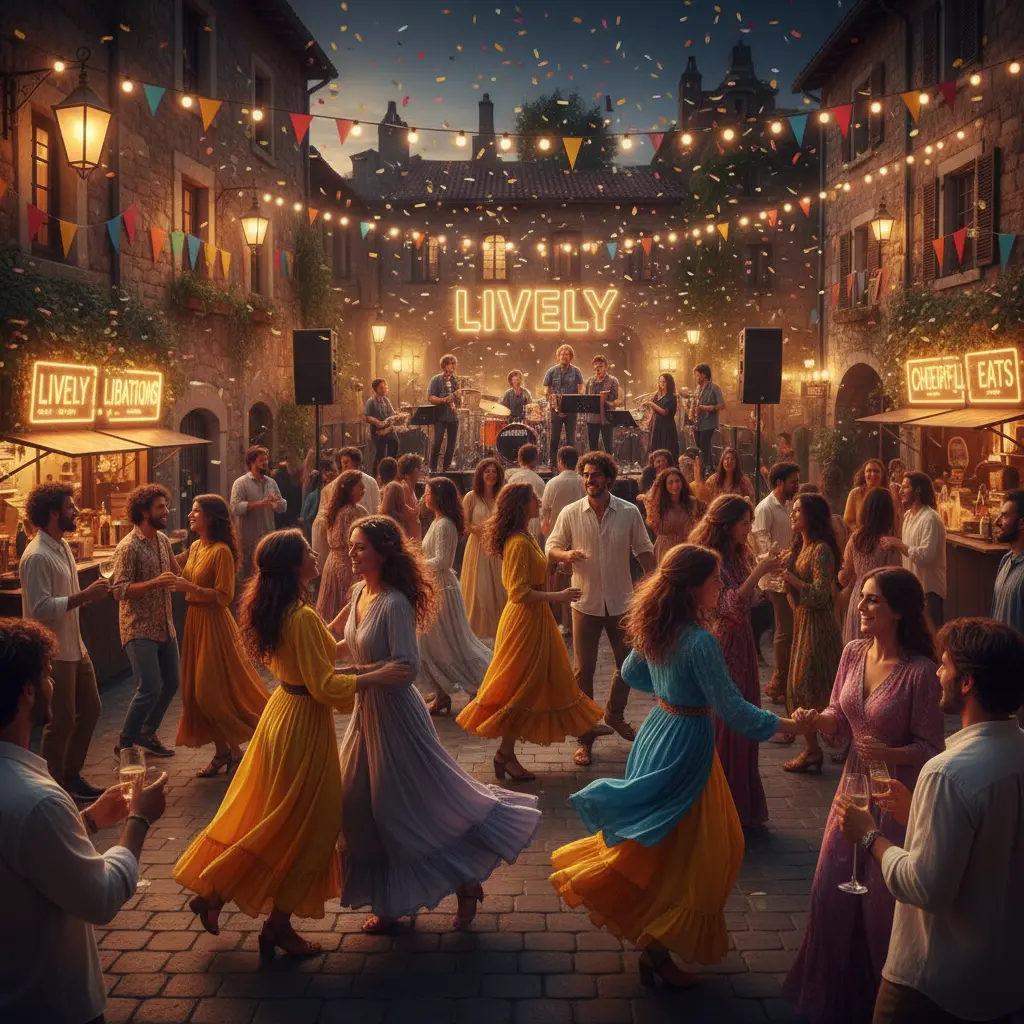
Example sentences are the start of understanding. Don't rush to memorize. First feel how the word works in a sentence.
lively = live + -ly. Historical origin: Old English 'liflic', linked to 'live'. Memory image: Imagine a vibrant party full of dancing and laughter, where everyone's spirit is lively and cheerful.
Note 1: These definitions and etymologies are not standard dictionary definitions, but extended explanations provided to help with memorization and understanding of the actual application of words. Through this background information, we strive to make words more vivid and easier to understand, and help you remember their meanings in real life.
Note 2: LexiTalk designs the learning flow around the linguistics principle of “Comprehensible Input.” When learners encounter material that is slightly above their level but still understandable from context, the brain naturally absorbs the language. That’s why we keep every word inside authentic contexts, using examples and associations to help you understand it and use it flexibly.
Read the FAQ explanation of Comprehensible InputWith a small breath, I move the chair a touch and feel the room wake up. I shift my weight and let my voice rise a notch, pushing the moment toward cheer. I change pace, adjust my steps, and keep the energy light and eager. The air brightens as the scene shifts from still to lively, like a room learning to smile.
Lively describes someone or something full of life, energy, and spirited activity. It conveys a sense of contagious movement, not simply being awake, but actively participating and enjoying the moment. A lively crowd dances, a lively debate is energetic yet respectful, and a lively street can feel inviting and dynamic. The word can describe people, places, events, or performances that feel bright, animated, and friendly. Watch out for nuance: lively implies ongoing energy, whereas active is more neutral, and cheerful focuses on mood rather than action. In everyday speech, lively often pairs with verbs like crowd, banter, or music to emphasize momentum.
Lively adds a sense of energy and social interaction that English often expects with active participatory vibes. Learners should notice that lively emphasizes atmosphere and engagement, not just movement or speed. It commonly describes events and people in social, public settings.
What is the meaning of 'lively'?
Which sentence uses 'lively' correctly?
Which word is most similar to 'lively'?
What is the opposite of 'lively'?
Can you give an example of a real-life scenario of 'lively'?
Download LexiTalk app for personalized learning experience
Download AppCookies
We use cookies for essential site functions, analytics, and ads. You can accept, reject, or manage preferences. Privacy Policy