trip - Master This Word
Master this word with our 5-step learning method – Learn English in English
Train English Through Brain Routes, Not Translation.
This page helps you stop memorizing isolated translations and start understanding a word through its shared mental image, native-style thinking, and practical training steps.
Master this word with our 5-step learning method – Learn English in English

Example sentences are the start of understanding. Don't rush to memorize. First feel how the word works in a sentence.
trip = tramp + ip (to stumble). Originated from Middle English ‘trippen’ (to skip, dance), from Old Norse ‘tripja’. Imagine a playful child skipping along a path, suddenly stumbling over a stone, bringing laughter and surprise.
Note 1: These definitions and etymologies are not standard dictionary definitions, but extended explanations provided to help with memorization and understanding of the actual application of words. Through this background information, we strive to make words more vivid and easier to understand, and help you remember their meanings in real life.
Note 2: LexiTalk designs the learning flow around the linguistics principle of “Comprehensible Input.” When learners encounter material that is slightly above their level but still understandable from context, the brain naturally absorbs the language. That’s why we keep every word inside authentic contexts, using examples and associations to help you understand it and use it flexibly.
Read the FAQ explanation of Comprehensible InputI shift my weight as I step off the curb, foot pushing forward and trying to keep balance. An unexpected wobble slips in and my body tilts, a small trip that makes the ground feel farther away. I adjust my stance, catch myself, and keep moving, turning a stumble into a plan. Later, the same motion rings true as a journey: I map a route, pack a bag, and let the idea carry me forward.
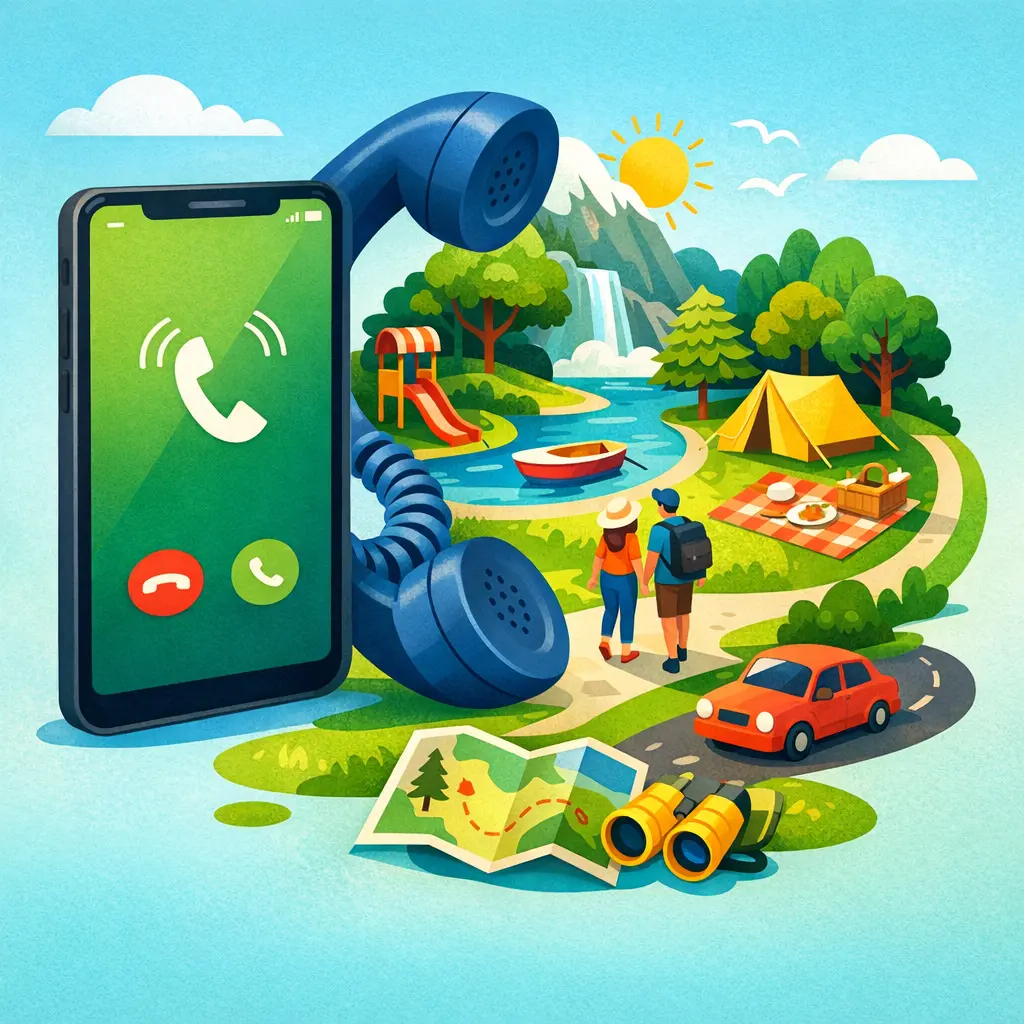
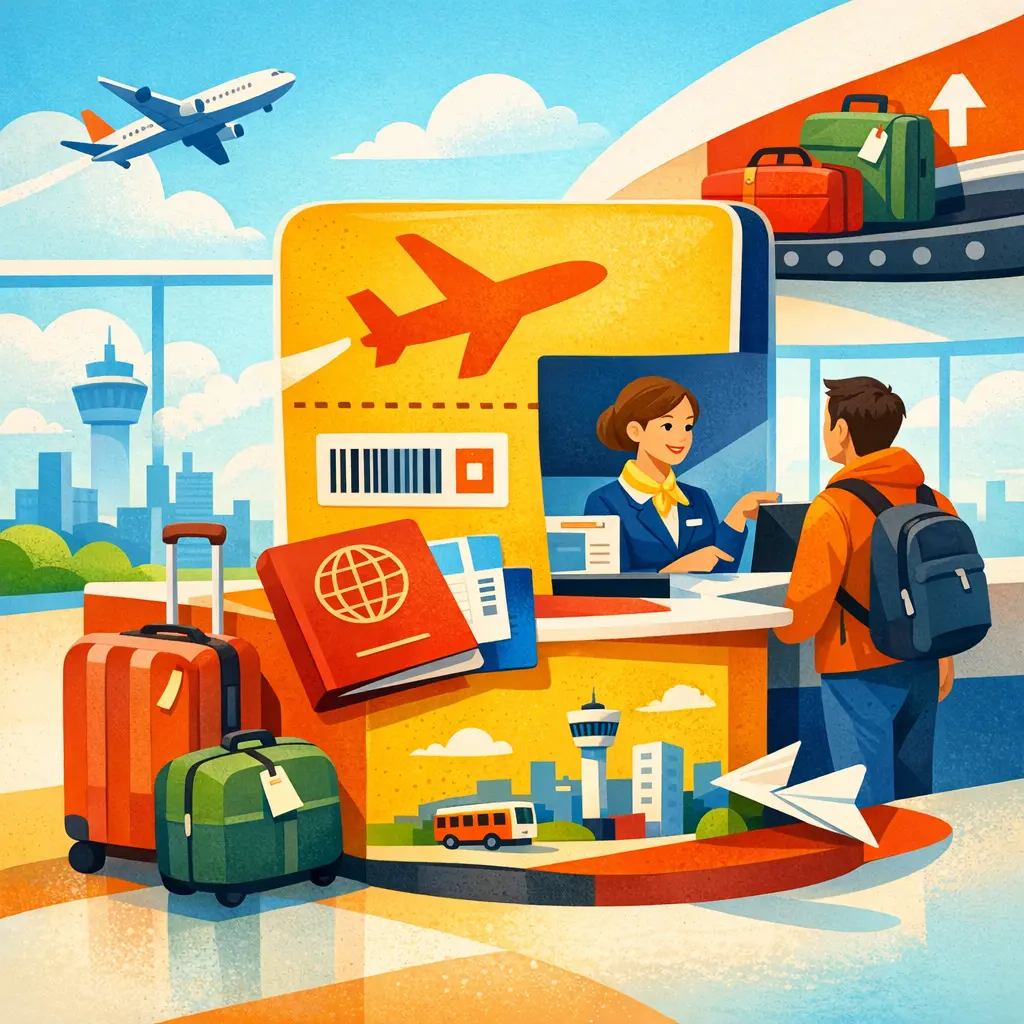
Trip has three main uses in English: as a verb meaning to stumble or fall while walking, as a noun meaning a journey or excursion, and as a verb phrase to trip someone, causing them to fall. When you trip over something, you stumble; to trip someone is to cause them to stumble. A trip can be a short local outing, a vacation, or a school field trip. You can say We took a trip to the coast or I am planning a business trip. The phrasal verb to trip up means to make a mistake or to stumble in speech or performance. Its etymology traces back to Middle English trippen and Old Norse tripja, implying playful movement that can surprise and amuse.
For English speakers, trip blends a concrete sense of a planned outing with a physical act of stumbling. Learners often mix the two senses or misplace prepositions around on, over, or to go on a trip. Think about context: if the focus is travel, use trip as a noun; if the focus is a stumble, use trip as a verb with over/into.
What is the meaning of the word 'trip'?
In which of the following sentences is 'trip' used correctly?
Which of the following is a similar word to 'trip'?
What is the opposite of 'trip'?
Can you give an example of a real-life context where 'trip' is used?
Download LexiTalk app for personalized learning experience
Download AppCookies
We use cookies for essential site functions, analytics, and ads. You can accept, reject, or manage preferences. Privacy Policy