lizard - Master This Word
Master this word with our 5-step learning method – Learn English in English
Train English Through Brain Routes, Not Translation.
This page helps you stop memorizing isolated translations and start understanding a word through its shared mental image, native-style thinking, and practical training steps.
Master this word with our 5-step learning method – Learn English in English
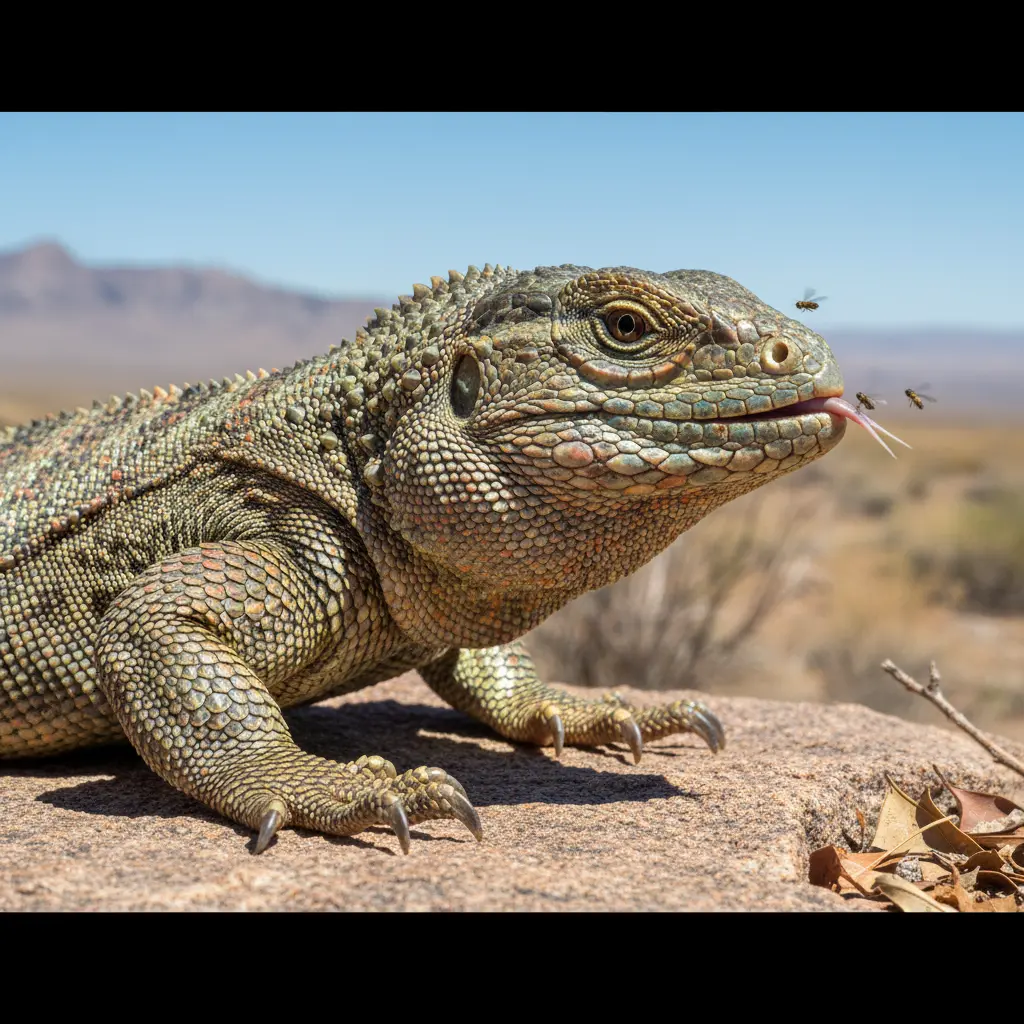
Example sentences are the start of understanding. Don't rush to memorize. First feel how the word works in a sentence.
lizard = lizardis (Latin: 'lizard') + suffix -ard (meaning 'having the nature of'). Origin: Latin → Old French → English. Imagine a lizard basking in the sun with its scaly skin glistening while it waits to catch insects.
Note 1: These definitions and etymologies are not standard dictionary definitions, but extended explanations provided to help with memorization and understanding of the actual application of words. Through this background information, we strive to make words more vivid and easier to understand, and help you remember their meanings in real life.
Note 2: LexiTalk designs the learning flow around the linguistics principle of “Comprehensible Input.” When learners encounter material that is slightly above their level but still understandable from context, the brain naturally absorbs the language. That’s why we keep every word inside authentic contexts, using examples and associations to help you understand it and use it flexibly.
Read the FAQ explanation of Comprehensible InputLizards are a diverse group of small to medium reptiles known for their scaly skin, long tails, and quick movements. The word generally refers to varieties like geckos, skinks, and anoles found around homes, gardens, and deserts. Lizards occupy many habitats and range from harmless house guests to larger predators, but most have origins in the warmer parts of the world. They shed their skin periodically and rely on basking in the sun to regulate body temperature. Some species can change color, though dramatic shifts are uncommon outside certain lizards. The etymology traces to Latin lizardis, passing through Old French before entering English.
Lizard is treated as a broad term for many small reptiles, so learners should avoid assuming all scaly creatures are lizards and should learn common subgroups (geckos, skinks) to be precise.
What is the meaning of the word 'lizard'?
Which of the following sentences uses the word 'lizard' correctly?
What is a synonym for 'lizard'?
What is an opposite (antonym) for 'lizard'?
In what real-life context would you most likely encounter a lizard?
Download LexiTalk app for personalized learning experience
Download AppCookies
We use cookies for essential site functions, analytics, and ads. You can accept, reject, or manage preferences. Privacy Policy