
luxuriant - Master This Word
Master this word with our 5-step learning method – Learn English in English
Train English Through Brain Routes, Not Translation.
This page helps you stop memorizing isolated translations and start understanding a word through its shared mental image, native-style thinking, and practical training steps.
Master this word with our 5-step learning method – Learn English in English
Example sentences are the start of understanding. Don't rush to memorize. First feel how the word works in a sentence.
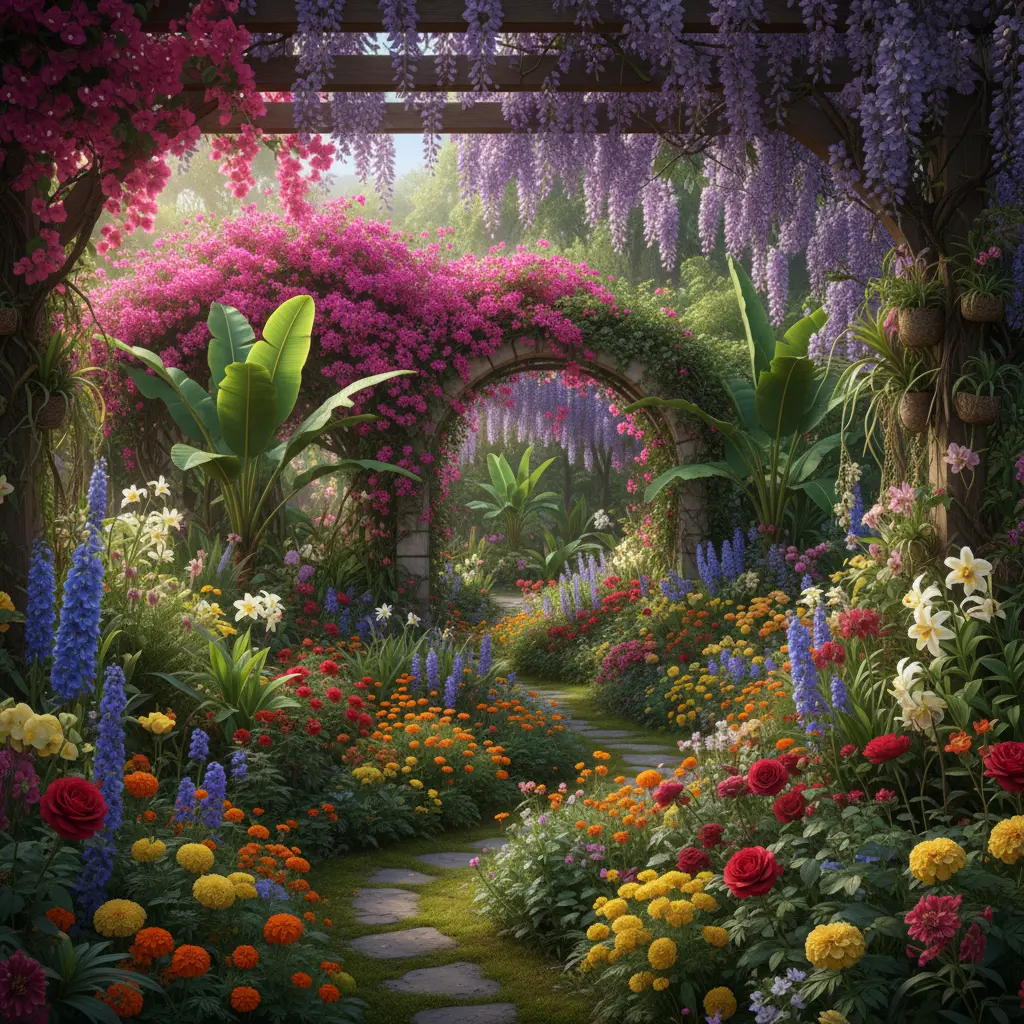
luxuriant = luxus (excess) + -iant (forming adjectives), from Latin luxuriare (to grow abundantly). The word traces back to Latin, then Old French, before entering English. Imagine a lush garden bursting with colorful flowers and dense foliage, symbolizing abundance.
Note 1: These definitions and etymologies are not standard dictionary definitions, but extended explanations provided to help with memorization and understanding of the actual application of words. Through this background information, we strive to make words more vivid and easier to understand, and help you remember their meanings in real life.
Note 2: LexiTalk designs the learning flow around the linguistics principle of “Comprehensible Input.” When learners encounter material that is slightly above their level but still understandable from context, the brain naturally absorbs the language. That’s why we keep every word inside authentic contexts, using examples and associations to help you understand it and use it flexibly.
Read the FAQ explanation of Comprehensible InputLuxuriant describes abundant growth, vigor, and lavish vegetation, often used to praise gardens, forests, crops, or natural scenery that looks lush and thriving. It can also describe things that seem to overflow with richness, such as hair, beards, foliage, or even stylistic detail and imagination. The sense suggests healthy, unrestrained profusion rather than mere modest abundance. The word traces to Latin luxuriare meaning to grow abundantly, through Old French into English, carrying the sense of excessive luxuriance. In everyday usage you might hear a luxuriant garden, luxuriant vegetation, or a luxuriant mane, with a positive connotation of vitality rather than mere opulence.
English speakers often associate luxuriant with positive vitality and lush visuals, but may overgeneralize it to any lush scene; learners should reserve it for vigorous, healthy growth and avoid describing merely decorative abundance.
What is the meaning of 'luxuriant'?
In which of the following sentences is 'luxuriant' used correctly?
Which word is a synonym of 'luxuriant'?
Which word is an antonym of 'luxuriant'?
How would you describe a garden that is 'luxuriant'?
Download LexiTalk app for personalized learning experience
Download AppCookies
We use cookies for essential site functions, analytics, and ads. You can accept, reject, or manage preferences. Privacy Policy