
macabre - Master This Word
Master this word with our 5-step learning method – Learn English in English
Train English Through Brain Routes, Not Translation.
This page helps you stop memorizing isolated translations and start understanding a word through its shared mental image, native-style thinking, and practical training steps.
Master this word with our 5-step learning method – Learn English in English
Example sentences are the start of understanding. Don't rush to memorize. First feel how the word works in a sentence.
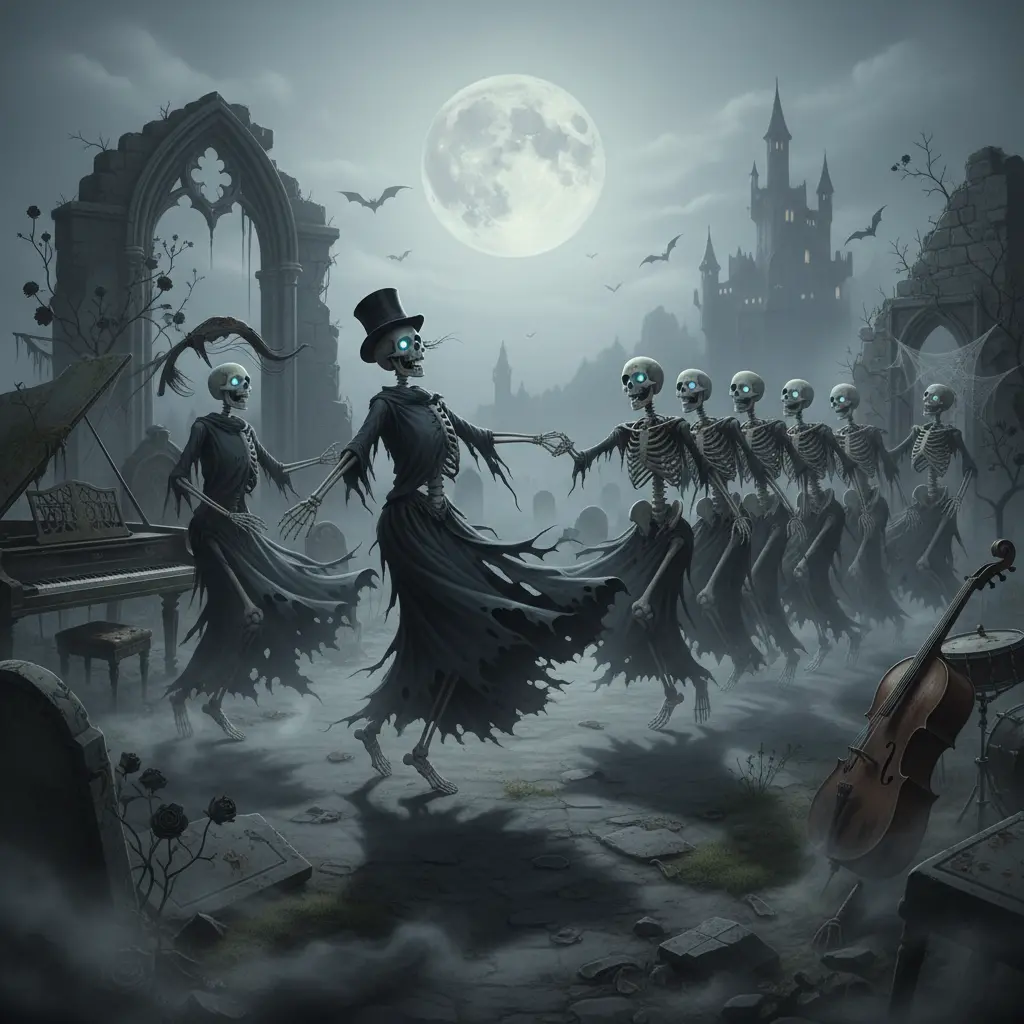
From French 'macabre', likely from Latin 'macabrus', possibly derived from the character of the 'Dance of Death' (Danse Macabre). Imagining a spooky dance where skeletons twirl around, bringing fun and fright in equal measure.
Note 1: These definitions and etymologies are not standard dictionary definitions, but extended explanations provided to help with memorization and understanding of the actual application of words. Through this background information, we strive to make words more vivid and easier to understand, and help you remember their meanings in real life.
Note 2: LexiTalk designs the learning flow around the linguistics principle of “Comprehensible Input.” When learners encounter material that is slightly above their level but still understandable from context, the brain naturally absorbs the language. That’s why we keep every word inside authentic contexts, using examples and associations to help you understand it and use it flexibly.
Read the FAQ explanation of Comprehensible InputMacabre is used to describe things that are gruesome, horrifying, or related to death in a way that feels eerie or menacing rather than merely sad. It can refer to images, stories, or performances that depict death or injury in a vivid, unsettling manner, sometimes with a darkly playful or satirical twist. The word evokes the medieval Danse Macabre and the later tradition of morbid humor in Gothic fiction and horror cinema. In contemporary usage, 'macabre' can describe atmosphere, setting, or humor that blends fascination with fear—think black comedy, crime fiction with lurid details, or art that treats grim topics with the uncanny. It is more formal and literary than everyday 'grim' or 'scary'.
For English learners, macabre often signals a literary or filmic mood rather than heavy gore. It pairs well with nouns like atmosphere, setting, humor, or imagery, and it carries a nuanced blend of fascination and fear. Learners should avoid using it for everyday scary topics and beware of mistaking it for mere sadness or grimness.
What is the meaning of the word 'macabre'?
In which sentence is 'macabre' used correctly?
Which word is a synonym of 'macabre'?
What is the opposite of 'macabre'?
In what context would you likely encounter the word 'macabre'?
Download LexiTalk app for personalized learning experience
Download AppCookies
We use cookies for essential site functions, analytics, and ads. You can accept, reject, or manage preferences. Privacy Policy