machines - Master This Word
Master this word with our 5-step learning method – Learn English in English
Train English Through Brain Routes, Not Translation.
This page helps you stop memorizing isolated translations and start understanding a word through its shared mental image, native-style thinking, and practical training steps.
Master this word with our 5-step learning method – Learn English in English
Example sentences are the start of understanding. Don't rush to memorize. First feel how the word works in a sentence.
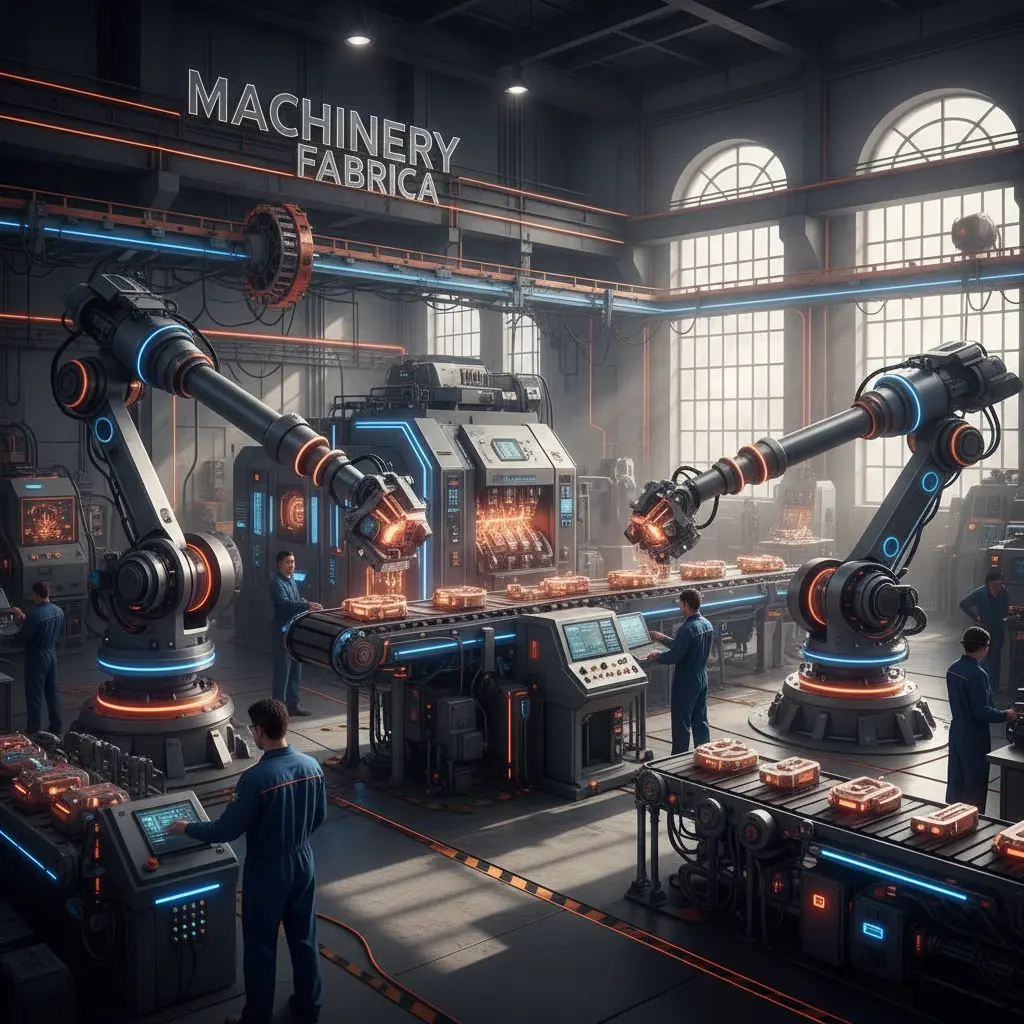
machin(e) = machine + -ery (suffix indicating a collection), Latin → Old French → English. Imagine a factory with whirring machines working together in harmony.
Note 1: These definitions and etymologies are not standard dictionary definitions, but extended explanations provided to help with memorization and understanding of the actual application of words. Through this background information, we strive to make words more vivid and easier to understand, and help you remember their meanings in real life.
Note 2: LexiTalk designs the learning flow around the linguistics principle of “Comprehensible Input.” When learners encounter material that is slightly above their level but still understandable from context, the brain naturally absorbs the language. That’s why we keep every word inside authentic contexts, using examples and associations to help you understand it and use it flexibly.
Read the FAQ explanation of Comprehensible InputI reach for the machine in the workshop and place my hand on its cold surface. I turn a knob and watch the gears shift, one part move while another settles into place. I adjust my grip, keep the pace steady, and let the process answer my questions with small changes. In that moment the machine feels like a living system of interrelated parts, humming as one.
Machine is a common English noun with several related meanings. It can refer to any device with moving parts that does work, a piece of equipment designed to perform a task. It also often means machines collectively, as in a factory full of machines, or the working parts of a process that make something happen. Finally, machine can describe a system of interrelated components that operates as a whole, even if not a single device. The plural machines is used for multiple devices, while the abstract sense requires consideration of how components fit together.
English speakers often split meaning into concrete devices vs. abstract systems; learners struggle with when to use machinery or machinery-related terms.
Download LexiTalk app for personalized learning experience
Download AppCookies
We use cookies for essential site functions, analytics, and ads. You can accept, reject, or manage preferences. Privacy Policy