
mammoth - Master This Word
Master this word with our 5-step learning method – Learn English in English
Train English Through Brain Routes, Not Translation.
This page helps you stop memorizing isolated translations and start understanding a word through its shared mental image, native-style thinking, and practical training steps.
Master this word with our 5-step learning method – Learn English in English
Example sentences are the start of understanding. Don't rush to memorize. First feel how the word works in a sentence.
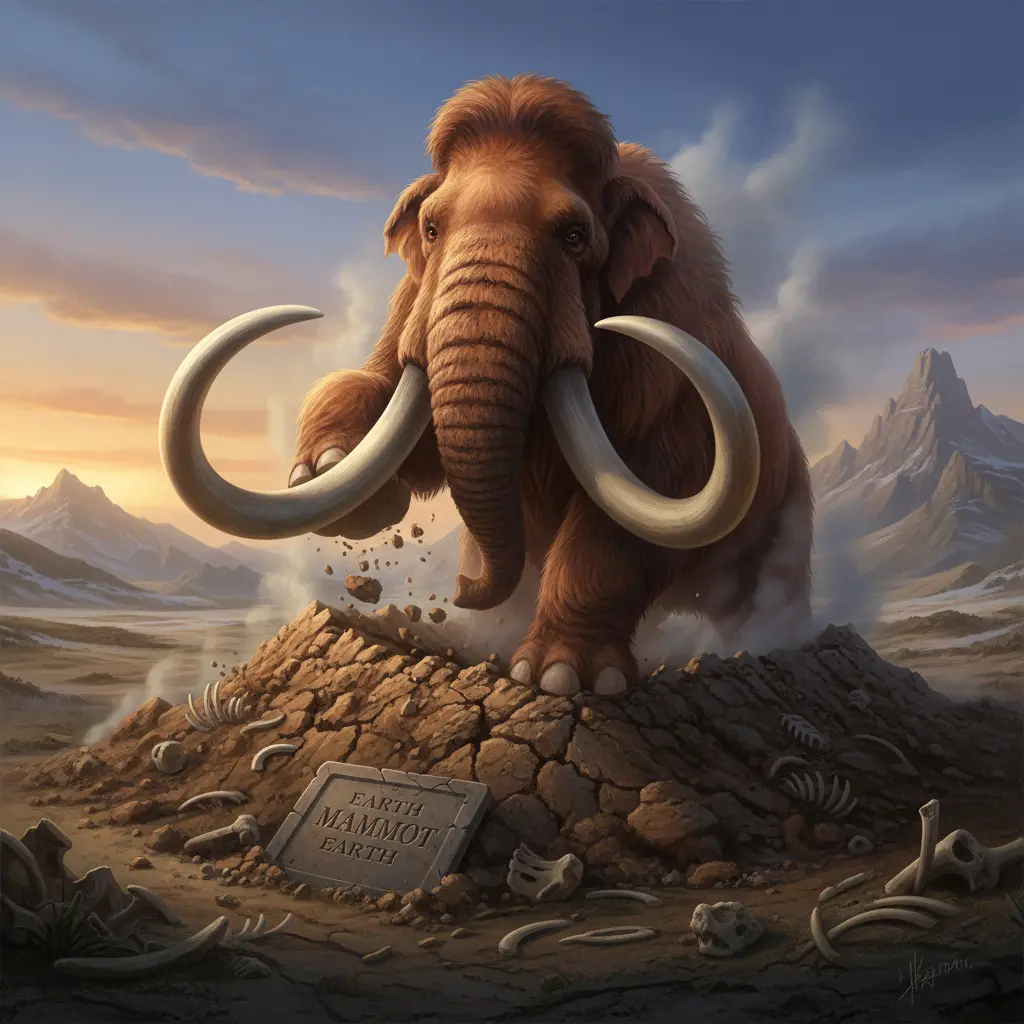
The term 'mammoth' comes from the Russian 'mammot' meaning 'earth'. Its historical origin traces back to the Russian, then to Latin and Old French before entering English. Imagine a giant, furry creature, emerging from the earth, reminding us of the ages when it roamed the earth, evoking a sense of grandeur.
Note 1: These definitions and etymologies are not standard dictionary definitions, but extended explanations provided to help with memorization and understanding of the actual application of words. Through this background information, we strive to make words more vivid and easier to understand, and help you remember their meanings in real life.
Note 2: LexiTalk designs the learning flow around the linguistics principle of “Comprehensible Input.” When learners encounter material that is slightly above their level but still understandable from context, the brain naturally absorbs the language. That’s why we keep every word inside authentic contexts, using examples and associations to help you understand it and use it flexibly.
Read the FAQ explanation of Comprehensible InputMammoth is a noun that originally refers to an extinct, elephant-like mammal known from Ice Age fossils. In everyday English, it is also used as a hyperbolic adjective meaning very large or enormous, often with a sense of grandeur or impressive bulk. The word can describe anything from a colossal building project to a surprisingly big animal or a monumental decision. Although it evokes ancient history, it is common in modern speech and writing when you want to emphasize size without exact measurements. Because the animal is extinct, using mammoth can hint at past eras, long ago, or something that seems touched by time.
English often uses mammoth as a bright, punchy descriptor to convey extreme size without numbers, leaning on metaphor. Learners may misjudge its intensity, either underplaying it with huge or overusing it in formal writing where giants like colossal fit better.
What does the word 'mammoth' mean?
In which of the following sentences is 'mammoth' used correctly?
Which of the following is a synonym for 'mammoth'?
What is the opposite of 'mammoth'?
In what context would you most likely encounter the word 'mammoth'?
Download LexiTalk app for personalized learning experience
Download AppCookies
We use cookies for essential site functions, analytics, and ads. You can accept, reject, or manage preferences. Privacy Policy