
mites - Master This Word
Master this word with our 5-step learning method – Learn English in English
Train English Through Brain Routes, Not Translation.
This page helps you stop memorizing isolated translations and start understanding a word through its shared mental image, native-style thinking, and practical training steps.
Master this word with our 5-step learning method – Learn English in English
Example sentences are the start of understanding. Don't rush to memorize. First feel how the word works in a sentence.
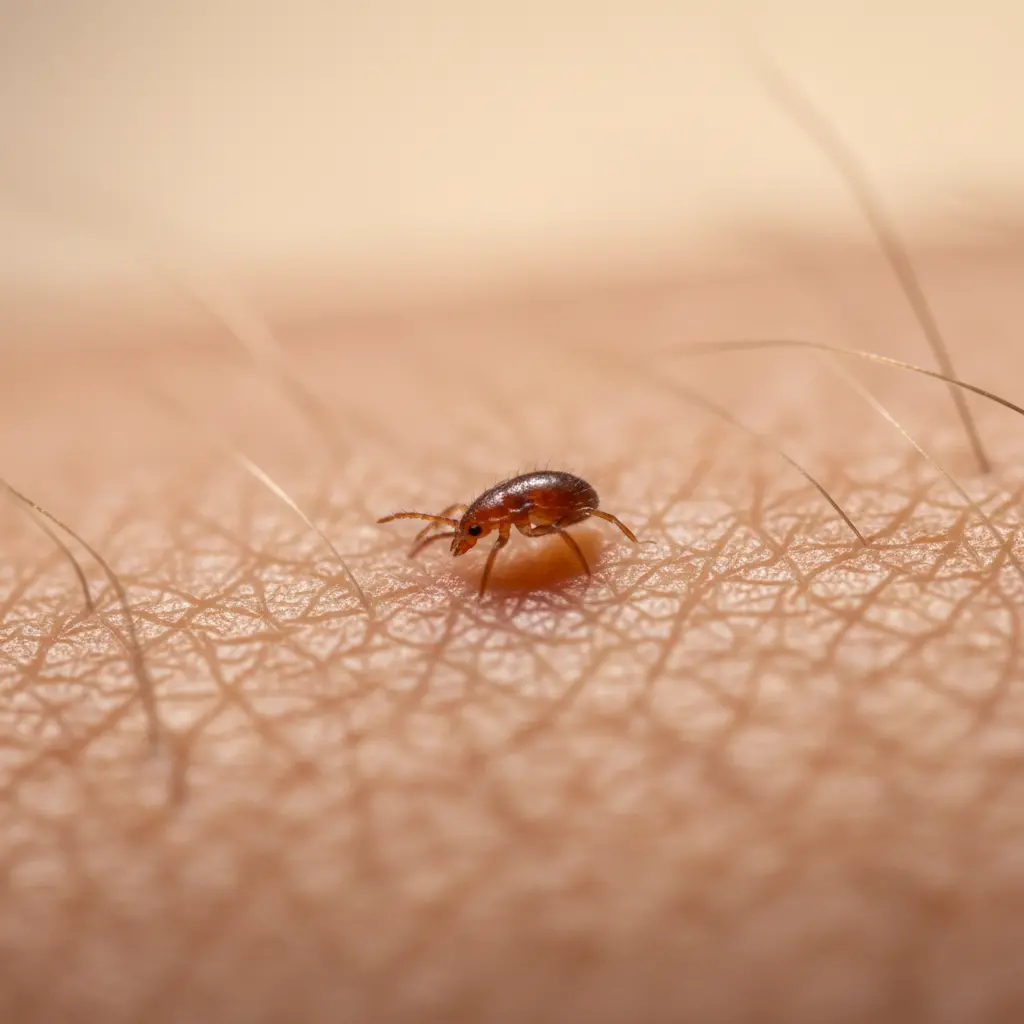
The word 'mite' comes from Old English 'mīte', rooted in Proto-Germanic '*mītō', related to the action of 'to bite', emphasizing their small size. Picture a tiny creature crawling on your skin, its bite almost unnoticed but significant.
Note 1: These definitions and etymologies are not standard dictionary definitions, but extended explanations provided to help with memorization and understanding of the actual application of words. Through this background information, we strive to make words more vivid and easier to understand, and help you remember their meanings in real life.
Note 2: LexiTalk designs the learning flow around the linguistics principle of “Comprehensible Input.” When learners encounter material that is slightly above their level but still understandable from context, the brain naturally absorbs the language. That’s why we keep every word inside authentic contexts, using examples and associations to help you understand it and use it flexibly.
Read the FAQ explanation of Comprehensible InputMites are tiny arthropods, often pests in homes or gardens. They range from under 1 mm to a few mm in size, with dust mites being invisible to the eye yet capable of triggering allergies. The word mite also means a small amount or aspect of something, as in a mite of truth or not a mite more. In English, mite can refer to an animal (singular mite, plural mites) or to a figurative sense indicating a tiny degree. Learners should note that a mite is usually a concrete animal in biological contexts, while the figurative sense appears in everyday speech with a subtle, quaint nuance.
Explain to an English speaker (meta, keep short)
Download LexiTalk app for personalized learning experience
Download AppCookies
We use cookies for essential site functions, analytics, and ads. You can accept, reject, or manage preferences. Privacy Policy