skin - Master This Word
Master this word with our 5-step learning method – Learn English in English
Train English Through Brain Routes, Not Translation.
This page helps you stop memorizing isolated translations and start understanding a word through its shared mental image, native-style thinking, and practical training steps.
Master this word with our 5-step learning method – Learn English in English
Example sentences are the start of understanding. Don't rush to memorize. First feel how the word works in a sentence.
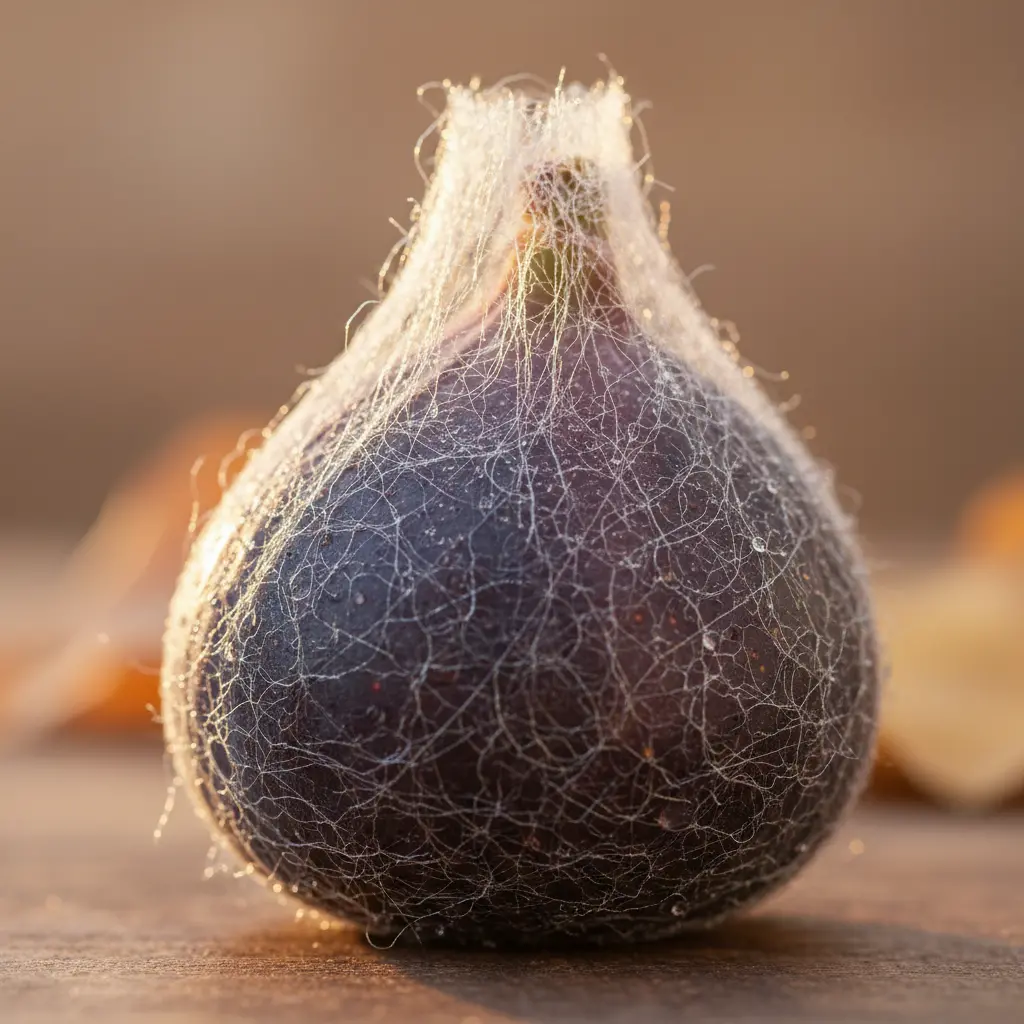
Root decomposition: skin = thin protective layer. Historical origin: from Old Norse “skinn” → Middle English. Memory image: imagine a delicate layer wrapping around a fruit, protecting it as skin protects our bodies.
Note 1: These definitions and etymologies are not standard dictionary definitions, but extended explanations provided to help with memorization and understanding of the actual application of words. Through this background information, we strive to make words more vivid and easier to understand, and help you remember their meanings in real life.
Note 2: LexiTalk designs the learning flow around the linguistics principle of “Comprehensible Input.” When learners encounter material that is slightly above their level but still understandable from context, the brain naturally absorbs the language. That’s why we keep every word inside authentic contexts, using examples and associations to help you understand it and use it flexibly.
Read the FAQ explanation of Comprehensible Inputi start by brushing the air with my skin and a quick breath feels different there. i shift my weight, turning my hand slowly as the skin tells me where the edge is. i adjust the grip, hold steady, then place my palm flat and let the boundary between skin and air tell me when i can push a door open. the moment the surface you touch becomes a part of you, skin reminds you how you keep the world close.
Skin is the outer protective layer of a person or animal, and in everyday usage it can refer to the tangible surface we see or touch as well as to a figurative covering that protects or reveals. You can speak of skin as the organ that senses touch, temperature, and pain, or you may say someone wears a new skin in the sense of a protective layer created by clothes, makeup, or even a cover on a device. In idioms, it often appears in phrases like skin and bone, skin deep, or skin the cat, with subtle shifts in meaning. When learning, note the multiple senses, from biology to metaphor.
Skin as a core biological term and as a versatile surface metaphor; learners often mix up the literal outer layer with the idea of 'covering' in nonbiological contexts and stumble on idioms.
Which definition best matches the word 'skin'?
Which sentence uses the word 'skin' correctly?
Which word is most similar in meaning to 'skin'?
Which word is an opposite or best represents the opposite context of 'skin'?
Can you think of a real-life context where you would use this word?
Download LexiTalk app for personalized learning experience
Download AppCookies
We use cookies for essential site functions, analytics, and ads. You can accept, reject, or manage preferences. Privacy Policy