monuments - Master This Word
Master this word with our 5-step learning method – Learn English in English
Train English Through Brain Routes, Not Translation.
This page helps you stop memorizing isolated translations and start understanding a word through its shared mental image, native-style thinking, and practical training steps.
Master this word with our 5-step learning method – Learn English in English
Example sentences are the start of understanding. Don't rush to memorize. First feel how the word works in a sentence.
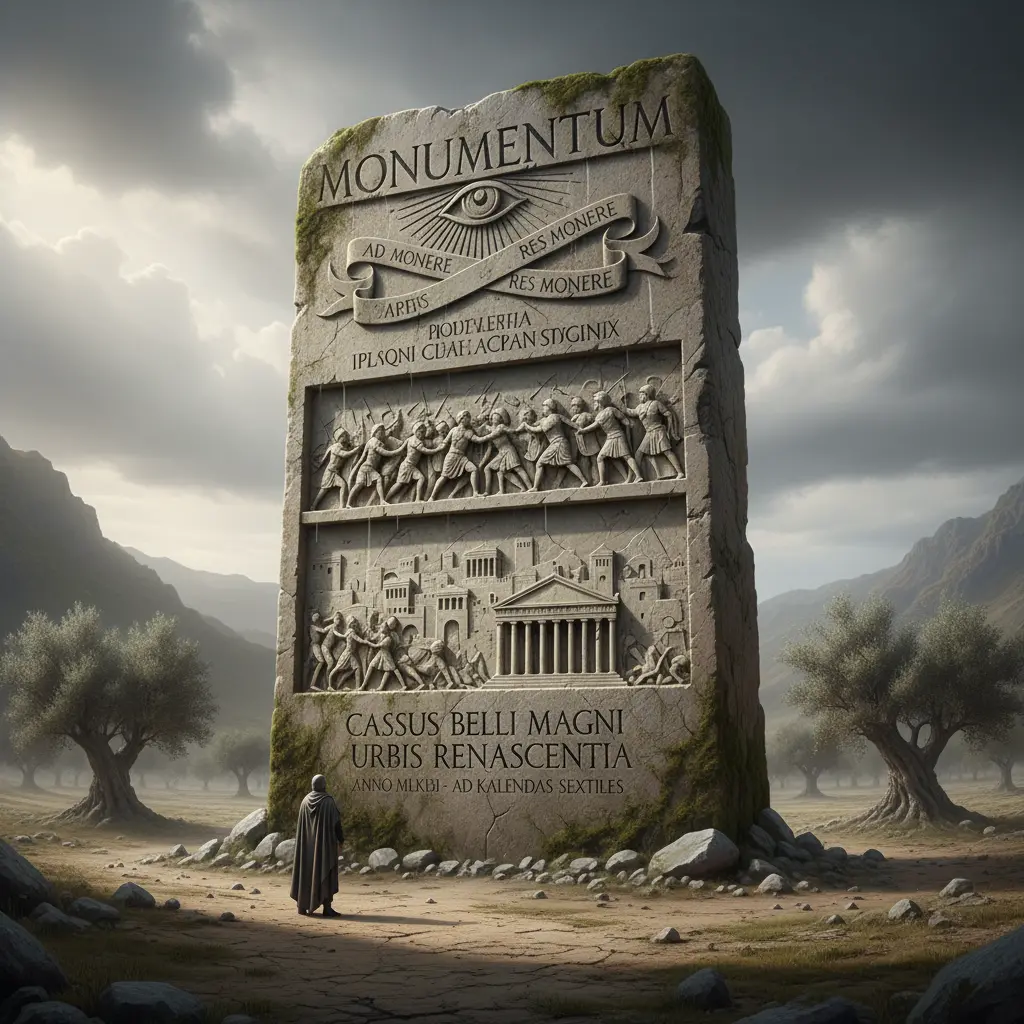
monu- = remind, ment = result of; Latin 'monumentum' from 'monere' meaning to remind. Picture a massive stone slab that commands attention, memorializing something significant in history.
Note 1: These definitions and etymologies are not standard dictionary definitions, but extended explanations provided to help with memorization and understanding of the actual application of words. Through this background information, we strive to make words more vivid and easier to understand, and help you remember their meanings in real life.
Note 2: LexiTalk designs the learning flow around the linguistics principle of “Comprehensible Input.” When learners encounter material that is slightly above their level but still understandable from context, the brain naturally absorbs the language. That’s why we keep every word inside authentic contexts, using examples and associations to help you understand it and use it flexibly.
Read the FAQ explanation of Comprehensible InputI step forward and move toward a quiet square, my fingers brushing the cold edge of a stone bench. I shift my gaze to a tall monument across the plaza and set my pace to take it in. I adjust my stance, pull the camera closer, and let the moment settle. In that quiet scene the sight feels like more than stone, a lasting symbol you keep watching.
A monument is a structure, sculpture, or site built to remember a person or event. It can be a lasting symbol of a moment in history, inviting reflection or civic pride. Monuments can stand in cities, parks, or battlefields and come in many forms, from grand museums to simple plaques. The word emphasizes memory and public recognition, often tied to national or local identity. When you refer to a monument, you may also discuss its purpose, its time period, its design, and the story it tells about the past.
In English, monument conveys public memory and civic significance; it often contrasts with more private memorials or statues. Learners may assume all monuments are statues or confuse monument with memorial, leading to awkward phrasing like 'historic memorial' when 'historic monument' is meant.
Download LexiTalk app for personalized learning experience
Download AppCookies
We use cookies for essential site functions, analytics, and ads. You can accept, reject, or manage preferences. Privacy Policy