muscles - Master This Word
Master this word with our 5-step learning method – Learn English in English
Train English Through Brain Routes, Not Translation.
This page helps you stop memorizing isolated translations and start understanding a word through its shared mental image, native-style thinking, and practical training steps.
Master this word with our 5-step learning method – Learn English in English
Example sentences are the start of understanding. Don't rush to memorize. First feel how the word works in a sentence.
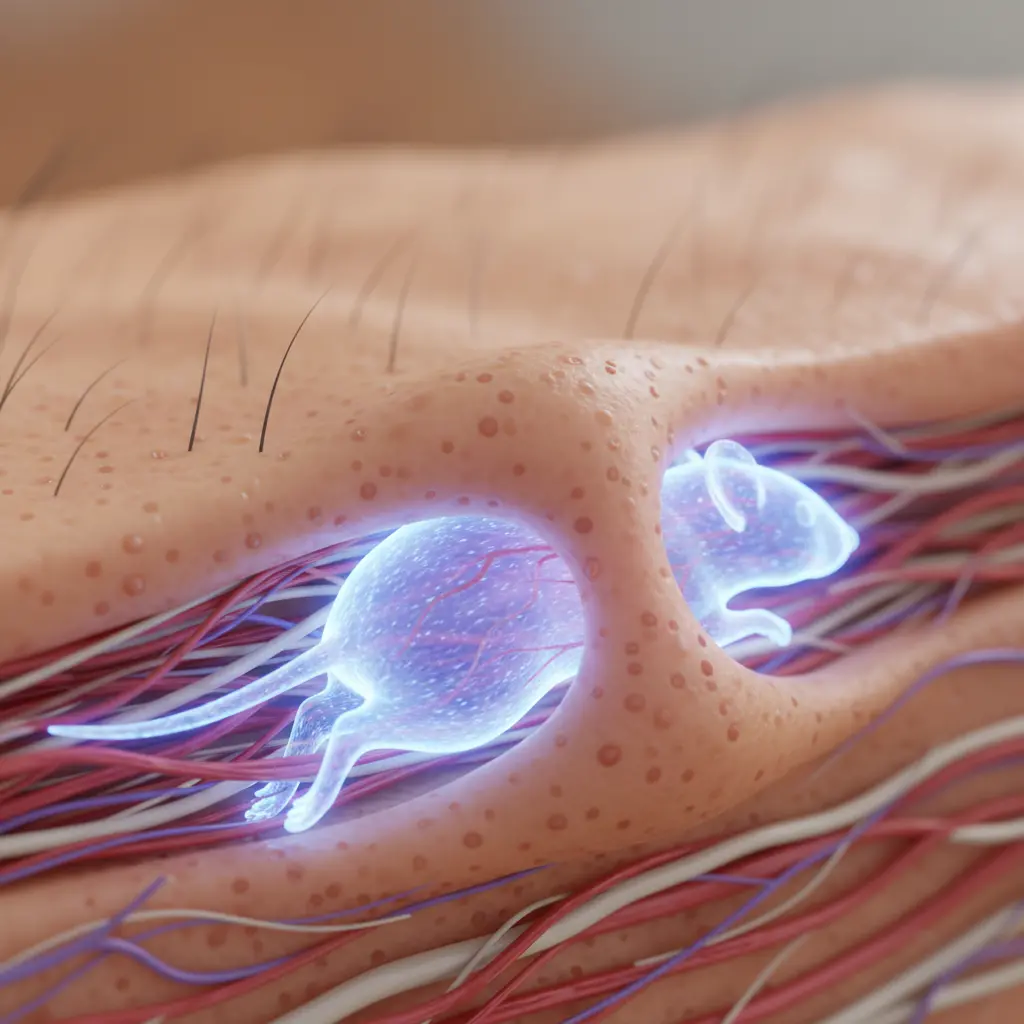
muscle: mus- = little mouse (from Latin musculus); historical origin: Latin musculus → Old French muscle → English muscle; memory image: imagine a tiny mouse running under your skin, symbolizing movement.
Note 1: These definitions and etymologies are not standard dictionary definitions, but extended explanations provided to help with memorization and understanding of the actual application of words. Through this background information, we strive to make words more vivid and easier to understand, and help you remember their meanings in real life.
Note 2: LexiTalk designs the learning flow around the linguistics principle of “Comprehensible Input.” When learners encounter material that is slightly above their level but still understandable from context, the brain naturally absorbs the language. That’s why we keep every word inside authentic contexts, using examples and associations to help you understand it and use it flexibly.
Read the FAQ explanation of Comprehensible InputWith a slow breath, I plant my feet and shift my weight, letting a line of effort rise from my toes to my shoulders. The muscle tightens as I pull, and I feel the sequence travel from the core to the arm, like a small gear turning. It aches a touch, but the grip steadies and the movement grows smoother. I adjust my stance, keep my move steady, and let the effort tell me how strong I am in the moment.
Muscle is a soft tissue in the body that enables movement, composed of long fibers that contract when stimulated by nerves. Muscles come in many shapes and sizes and are organized into muscle groups such as the biceps or quadriceps. They work with bones, tendons, and joints to produce force, maintain posture, and support breathing. The term can also be used figuratively to mean strength or power, as in 'the team showed muscle' or 'she has real muscle in negotiation.' Distinguishing muscle tissue from a muscle group helps learners choose the right phrase, for example 'build muscle' versus 'muscle memory,' and clarifies common expressions.
English uses fixed phrases around muscle (build muscle, muscle memory, flex your muscles) and treats 'muscle' both as anatomy and a metaphor for strength; learners often confuse tissue vs. strength, or use 'muscle' for fat or brain memory.
English Learning Listening Content
Listen NowDownload LexiTalk app for personalized learning experience
Download AppCookies
We use cookies for essential site functions, analytics, and ads. You can accept, reject, or manage preferences. Privacy Policy