nobody - Master This Word
Master this word with our 5-step learning method – Learn English in English
Train English Through Brain Routes, Not Translation.
This page helps you stop memorizing isolated translations and start understanding a word through its shared mental image, native-style thinking, and practical training steps.
Master this word with our 5-step learning method – Learn English in English
Example sentences are the start of understanding. Don't rush to memorize. First feel how the word works in a sentence.
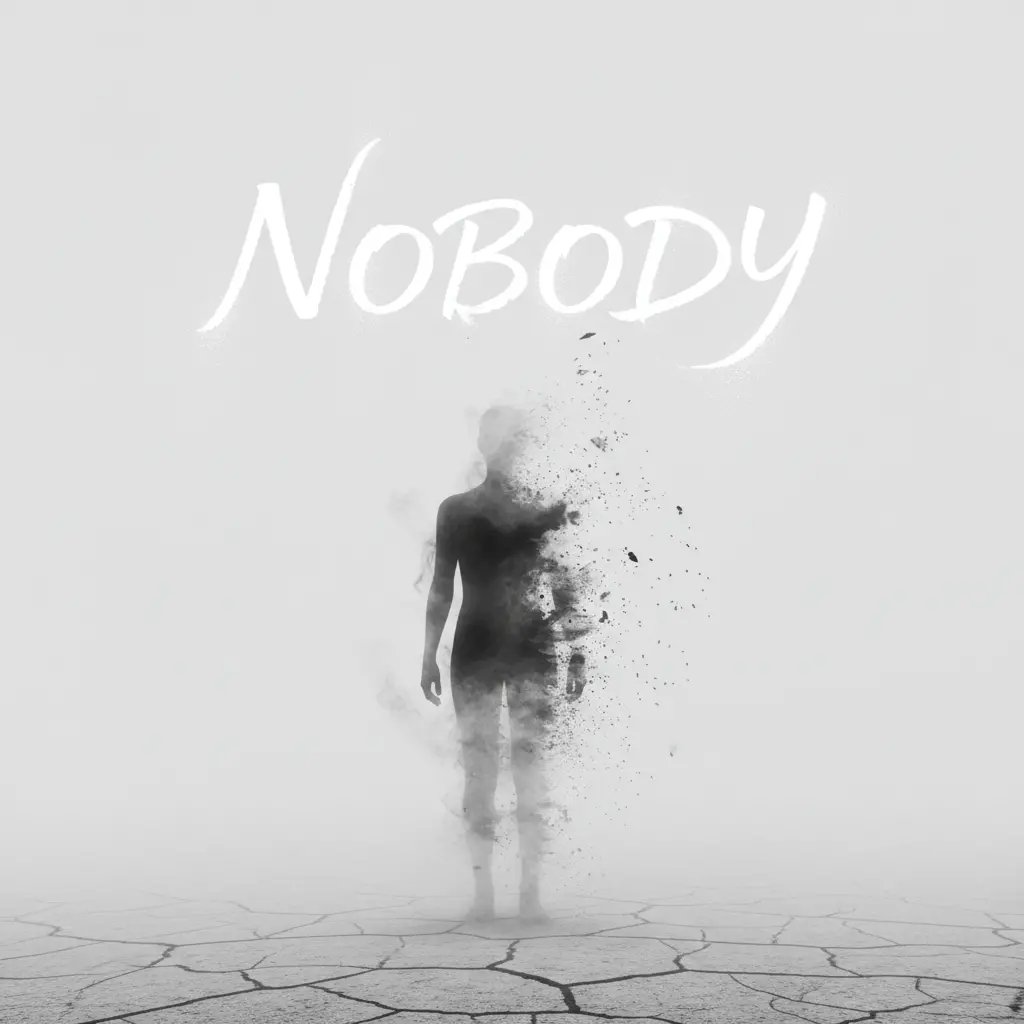
nobody = no + body (body meaning person). Originated from Old English 'nān' + 'bodig' to mean a non-existent person. Imagine a silhouette of a person disappearing into thin air with the word written above.
Note 1: These definitions and etymologies are not standard dictionary definitions, but extended explanations provided to help with memorization and understanding of the actual application of words. Through this background information, we strive to make words more vivid and easier to understand, and help you remember their meanings in real life.
Note 2: LexiTalk designs the learning flow around the linguistics principle of “Comprehensible Input.” When learners encounter material that is slightly above their level but still understandable from context, the brain naturally absorbs the language. That’s why we keep every word inside authentic contexts, using examples and associations to help you understand it and use it flexibly.
Read the FAQ explanation of Comprehensible InputI set down my bag and move into the quiet room, shoulders soft and careful. I adjust my steps, listening for a voice that might break the hush. When no one arrives and the seats stay empty, the moment leans toward me with stillness. I keep talking aloud anyway, and the space holds that nobody is there, not a single person, not even a reminder.
Nobody is a pronoun meaning no person at all. It can function as the subject of a sentence or as a subject complement after linking verbs, and it emphasizes absence in a situation. It combines 'no' and 'body' and derives from older English forms; you may also see the formal 'no one' as an alternative. In everyday speech you can say 'Nobody showed up' or 'There is nobody here' to emphasize emptiness. Remember that 'nobody' requires a singular verb: 'Nobody is here' rather than 'Nobody are here.' In informal speech you might hear 'Nobody's coming'; in careful writing, 'No one is coming' is often preferred. The nuance is clear: absolute nonexistence, not merely a small lack of participants.
English often uses nobody as a tight negation with a clear subject and singular verb, whereas many languages use a more explicit form like no one/no person or a generic negative with the verb. Learners from languages with less explicit subject negation may over- or under-use the singular/plural agreement and struggle with when to prefer no one vs nobody.
In which sentence is 'nobody' used correctly?
Which word is an opposite of 'nobody'?
Can you provide a real-life context where 'nobody' would be used?
Explain the meaning of 'nobody' in your own words.
Download LexiTalk app for personalized learning experience
Download AppCookies
We use cookies for essential site functions, analytics, and ads. You can accept, reject, or manage preferences. Privacy Policy