ozone - Master This Word
Master this word with our 5-step learning method – Learn English in English
Train English Through Brain Routes, Not Translation.
This page helps you stop memorizing isolated translations and start understanding a word through its shared mental image, native-style thinking, and practical training steps.
Master this word with our 5-step learning method – Learn English in English
Example sentences are the start of understanding. Don't rush to memorize. First feel how the word works in a sentence.
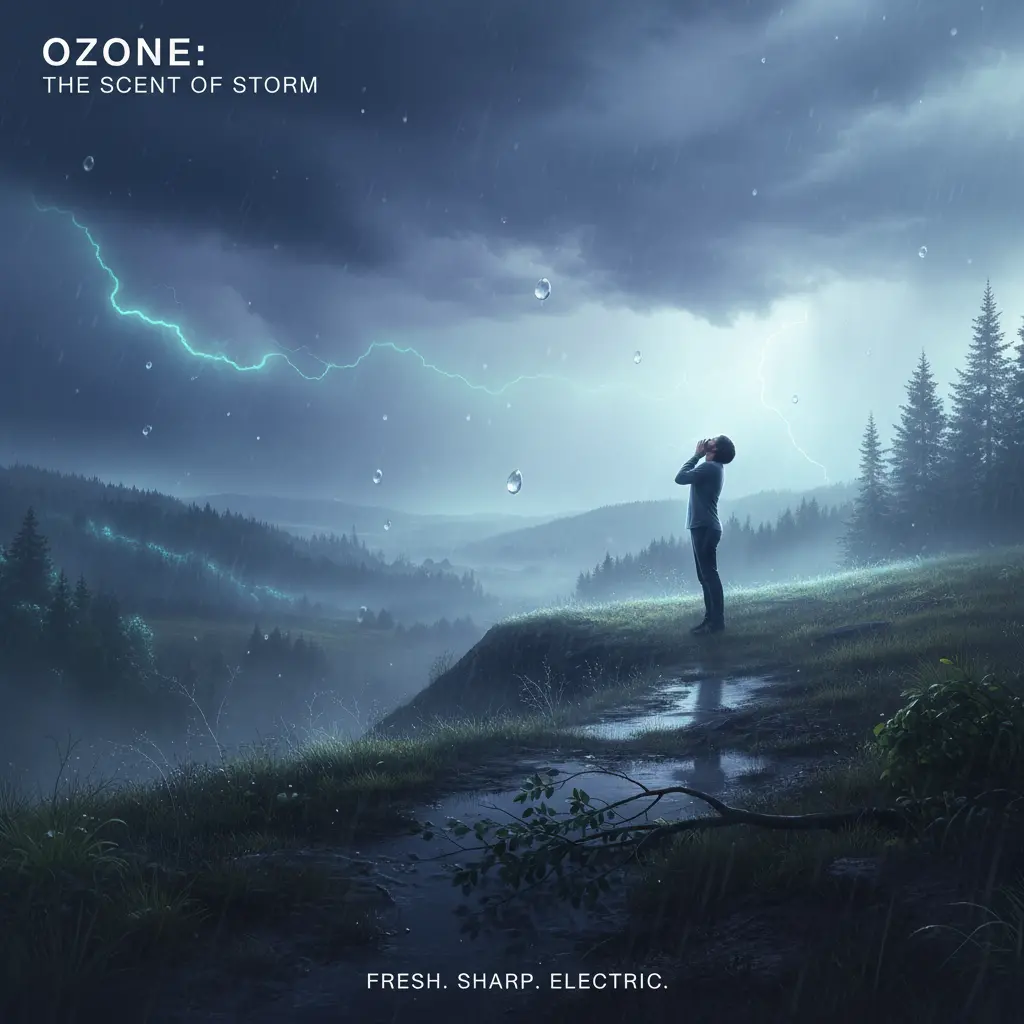
Ozone is derived from the Greek 'ozein', meaning 'to smell'. The term entered English via German in the 19th century. Imagine the fresh, sharp scent you notice after a thunderstorm; that’s ozone, formed when lightning interacts with oxygen.
Note 1: These definitions and etymologies are not standard dictionary definitions, but extended explanations provided to help with memorization and understanding of the actual application of words. Through this background information, we strive to make words more vivid and easier to understand, and help you remember their meanings in real life.
Note 2: LexiTalk designs the learning flow around the linguistics principle of “Comprehensible Input.” When learners encounter material that is slightly above their level but still understandable from context, the brain naturally absorbs the language. That’s why we keep every word inside authentic contexts, using examples and associations to help you understand it and use it flexibly.
Read the FAQ explanation of Comprehensible InputOzone is a colorless gas made of three oxygen atoms (O3). It exists mainly in two parts of the atmosphere: the stratospheric ozone layer, which absorbs most of the sun's harmful ultraviolet radiation, and ground-level ozone formed near the surface by chemical reactions among pollutants in sunlight. The sharp, distinctive odor often noticed after a thunderstorm comes from ozone produced when lightning splits oxygen molecules. Ozone is a form of oxygen, but its properties and health effects differ from the diatomic oxygen we breathe at ground level, so scientists distinguish between ozone in the upper atmosphere and near the ground.
For English speakers, focus on clear distinctions between layers and pollutants, and on phrasing like ozone layer versus ground-level ozone to avoid mixing concepts.
What is the meaning of the word 'ozone'?
In which of the following sentences is the word 'ozone' used correctly?
Which of the following is an antonym for 'ozone'?
How is the word 'ozone' relevant in real life?
Reflect on the importance of 'ozone' in protecting the environment.
Download LexiTalk app for personalized learning experience
Download AppCookies
We use cookies for essential site functions, analytics, and ads. You can accept, reject, or manage preferences. Privacy Policy