paper - Master This Word
Master this word with our 5-step learning method – Learn English in English
Train English Through Brain Routes, Not Translation.
This page helps you stop memorizing isolated translations and start understanding a word through its shared mental image, native-style thinking, and practical training steps.
Master this word with our 5-step learning method – Learn English in English
Example sentences are the start of understanding. Don't rush to memorize. First feel how the word works in a sentence.
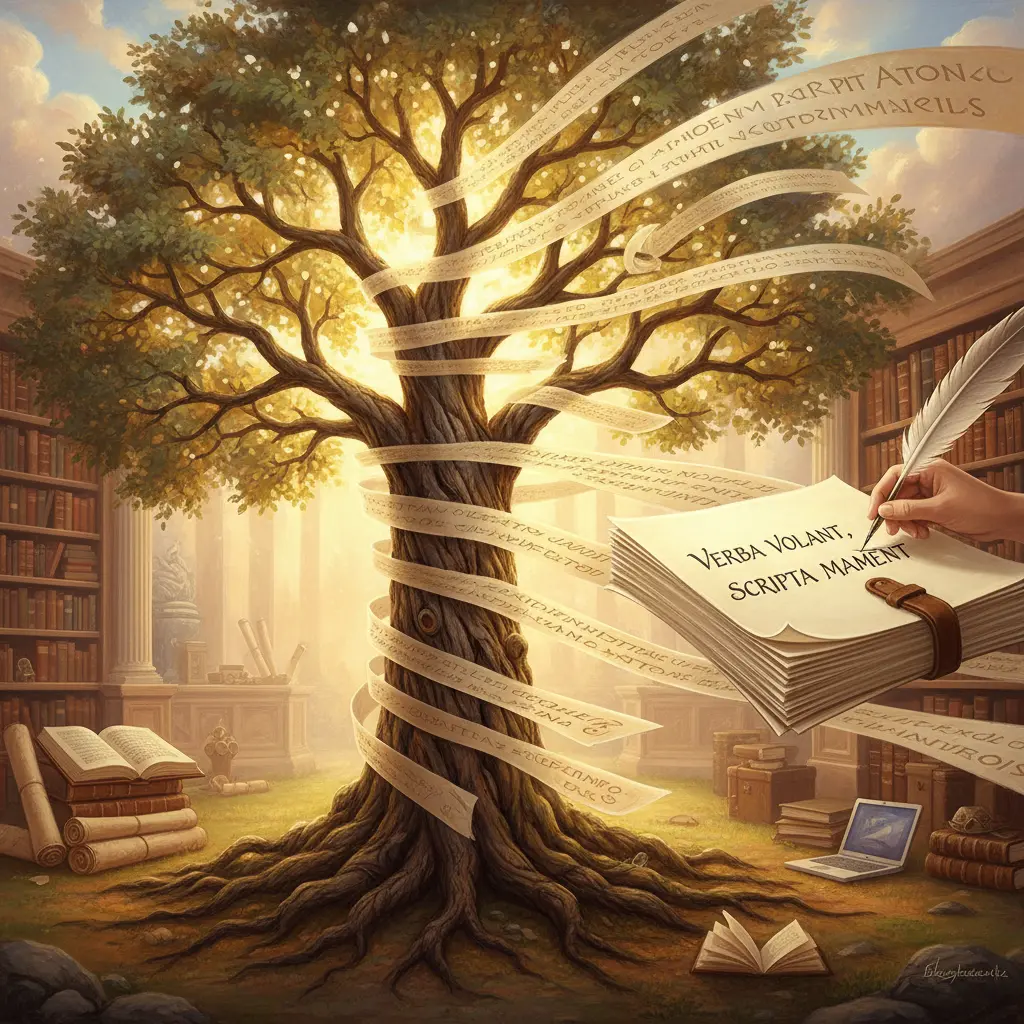
From Latin 'papyrus' (type of paper) + '-er' (indicator of a noun). Origin: Latin → Old French → English. Imagine a tree being transformed into sheets, enabling the recording of thoughts and knowledge.
Note 1: These definitions and etymologies are not standard dictionary definitions, but extended explanations provided to help with memorization and understanding of the actual application of words. Through this background information, we strive to make words more vivid and easier to understand, and help you remember their meanings in real life.
Note 2: LexiTalk designs the learning flow around the linguistics principle of “Comprehensible Input.” When learners encounter material that is slightly above their level but still understandable from context, the brain naturally absorbs the language. That’s why we keep every word inside authentic contexts, using examples and associations to help you understand it and use it flexibly.
Read the FAQ explanation of Comprehensible InputI pick up a sheet and move it to the edge of the desk, keeping it flat. I hold it there, then turn it over to check the other side, feeling the weight shift under my touch. The act of adjusting its position—settling, smoothing, deciding where to write—tells me what it can carry and what remains blank. Soon the paper stops being just a sheet and becomes a moment to write a thought, a page to fill, a tool to hold an idea.
Paper is a versatile word in English with both concrete and abstract senses. As a material, it covers a wide range of products used for writing, printing, packaging, and crafts, and it is usually made from plant fibers such as wood pulp. In academic contexts, 'paper' refers to a scholarly article or essay, often presenting research findings or arguments and intended for publication or presentation. The verb sense 'to paper' means to cover or line something with sheets of paper, or to decorate walls with wallpaper. Learners often confuse 'paper' with 'newspaper' or with the verb 'to wrap'.
In English, paper is seen both as a tangible material you can hold and a formal scholarly product. Learners often expect one dominant meaning and may mix up ‘paper’ with ‘newspaper’ or assume every paper is a short assignment.
What is the meaning of the word 'paper'?
Which sentence uses the word 'paper' correctly?
Which word is most similar in meaning to 'paper'?
Which of the following would be an opposite or contrasting concept to 'paper' in a modern context?
Can you think of a real-life context where using the word would be appropriate? Choose the best scenario.
Download LexiTalk app for personalized learning experience
Download AppCookies
We use cookies for essential site functions, analytics, and ads. You can accept, reject, or manage preferences. Privacy Policy