peck - Master This Word
Master this word with our 5-step learning method – Learn English in English
Train English Through Brain Routes, Not Translation.
This page helps you stop memorizing isolated translations and start understanding a word through its shared mental image, native-style thinking, and practical training steps.
Master this word with our 5-step learning method – Learn English in English
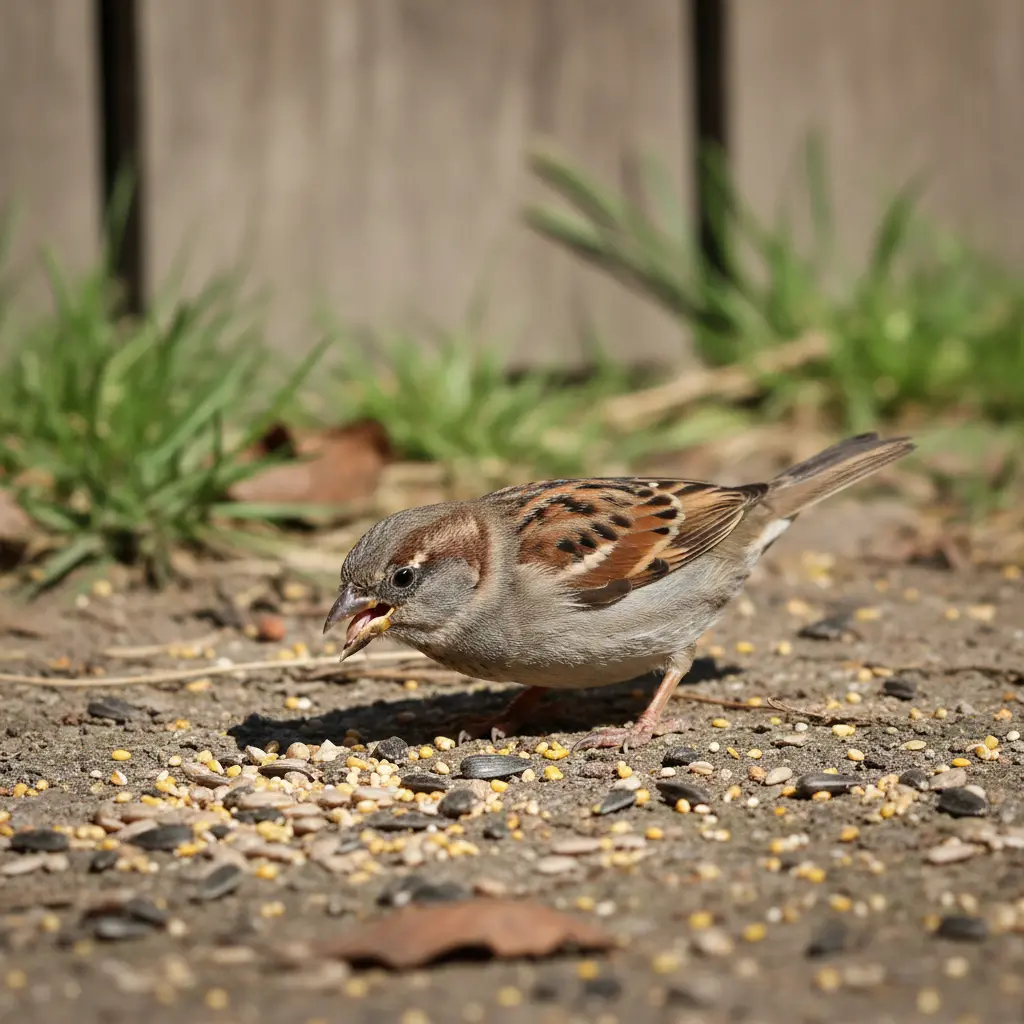
Example sentences are the start of understanding. Don't rush to memorize. First feel how the word works in a sentence.
Root: 'peck' (from Middle English 'pekken', to pierce). Historical origin: Middle English from Old French 'pecquer' → Latin 'pica' (magpie). Memory image: Imagine a tiny bird pecking at seeds on the ground, its quick movements reminding you of searching for small bits.
Note 1: These definitions and etymologies are not standard dictionary definitions, but extended explanations provided to help with memorization and understanding of the actual application of words. Through this background information, we strive to make words more vivid and easier to understand, and help you remember their meanings in real life.
Note 2: LexiTalk designs the learning flow around the linguistics principle of “Comprehensible Input.” When learners encounter material that is slightly above their level but still understandable from context, the brain naturally absorbs the language. That’s why we keep every word inside authentic contexts, using examples and associations to help you understand it and use it flexibly.
Read the FAQ explanation of Comprehensible InputPeck is a small, quick action done by a bird with its beak. As a verb it means to strike, bite, or pick at something with the beak; people can also say a bird pecks at seeds or insects. Phrases like 'peck at food' or 'peck away at a task' describe light, repetitive actions. As a noun, peck can refer to the act itself or to a unit of dry volume equal to eight dry quarts. The word also appears in idioms like a 'pecking order'. Etymology links to Middle English pecken, Old French pecquer, and Latin pica, which helps memory images of birds and tiny bites.
Learners will map peck to small, quick bird actions; they may overgeneralize to humans or larger bites. Emphasize that much of peck involves light contact, not force, and that the noun sense as a volume unit is uncommon outside food-related contexts.
What is the meaning of the word 'peck'?
Which of the following sentences uses 'peck' correctly?
Which word is most similar to 'peck'?
What is the opposite of 'peck'?
Can you think of a real-life context where one might use the word 'peck'?
Download LexiTalk app for personalized learning experience
Download AppCookies
We use cookies for essential site functions, analytics, and ads. You can accept, reject, or manage preferences. Privacy Policy