peculiar - Master This Word
Master this word with our 5-step learning method – Learn English in English
Train English Through Brain Routes, Not Translation.
This page helps you stop memorizing isolated translations and start understanding a word through its shared mental image, native-style thinking, and practical training steps.
Master this word with our 5-step learning method – Learn English in English
Example sentences are the start of understanding. Don't rush to memorize. First feel how the word works in a sentence.
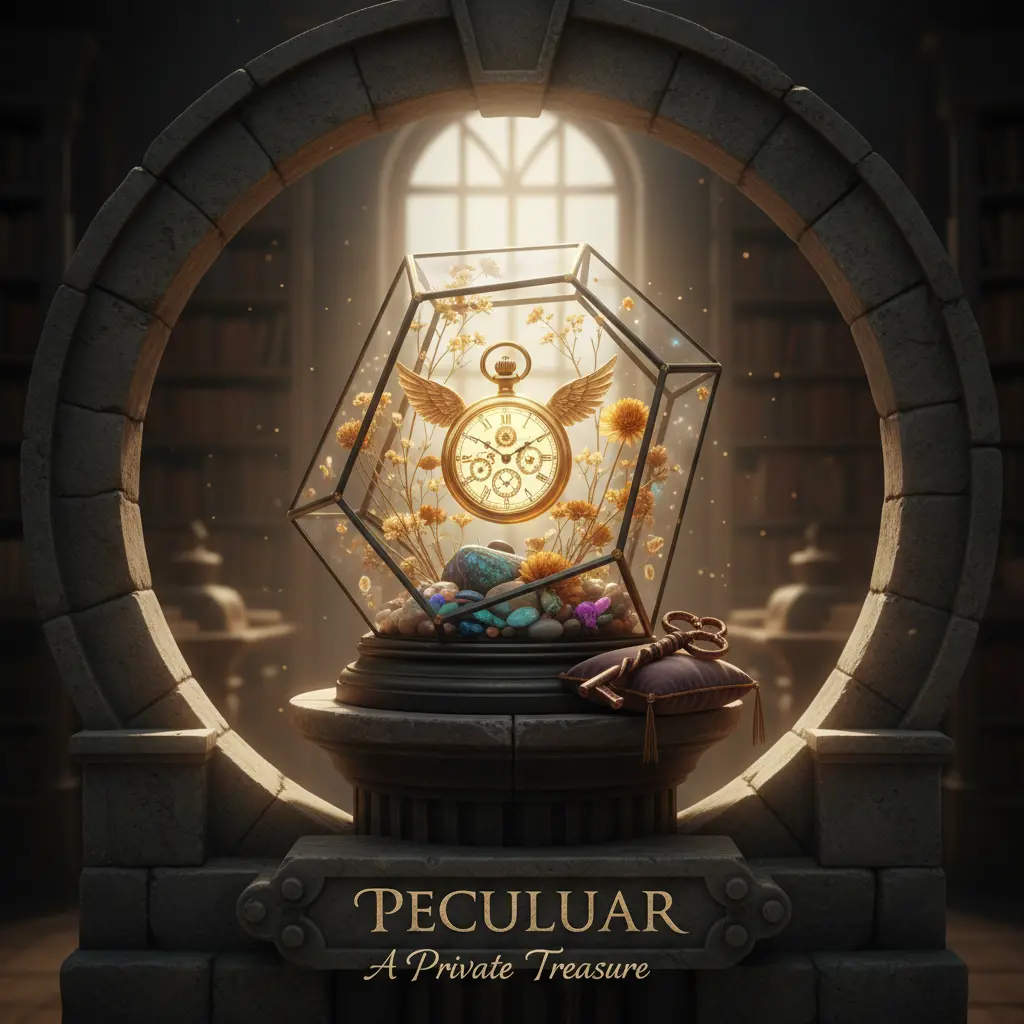
peculiar = peculium (private property) + -ar (related to). From Latin through Middle French to English. Imagine a unique item set apart, like a special treasure that only you own.
Note 1: These definitions and etymologies are not standard dictionary definitions, but extended explanations provided to help with memorization and understanding of the actual application of words. Through this background information, we strive to make words more vivid and easier to understand, and help you remember their meanings in real life.
Note 2: LexiTalk designs the learning flow around the linguistics principle of “Comprehensible Input.” When learners encounter material that is slightly above their level but still understandable from context, the brain naturally absorbs the language. That’s why we keep every word inside authentic contexts, using examples and associations to help you understand it and use it flexibly.
Read the FAQ explanation of Comprehensible InputI pick up a small, odd object and move it in my hand, turning it slowly to catch the light. I tilt it, adjust my grip, and watch how its shape shifts from plain to peculiar in a blink. It sits there—quiet, almost out of place—and I hold it up, letting the moment talk. It feels like a private clue, something unique to a person or moment, a detail that makes the scene feel specific.
Peculiar means strange or unusual, and it can also mean distinctive or characteristic of a particular person or thing. In everyday speech, you might describe a quirky habit as peculiar, or note a peculiar feature that helps identify a place, object, or personality. The word often carries a slightly evaluative tone, implying surprise or curiosity rather than mere oddity. Historically, peculiar derives from Latin peculium meaning private property, through Old French and into English, hinting at something set apart. When describing people, peculiar can refer to traits that seem idiosyncratic rather than negative; when describing things, it signals features that stand out in a way that matters in context.
For English learners, peculi ar often signals a slight evaluation or surprise. It pairs with nouns to highlight a distinctive feature and is less neutral than words like odd or unusual. Learners often mix it with 'peculiar to' meaning 'belonging to/characteristic of', or mistakenly use it for everyday ordinary things.
What is the meaning of 'peculiar'?
In which sentence is 'peculiar' used correctly?
Which word is a synonym of 'peculiar'?
What is the opposite of 'peculiar'?
In what real-life context would you use the word 'peculiar'?
Download LexiTalk app for personalized learning experience
Download AppCookies
We use cookies for essential site functions, analytics, and ads. You can accept, reject, or manage preferences. Privacy Policy