plain - Master This Word
Master this word with our 5-step learning method – Learn English in English
Train English Through Brain Routes, Not Translation.
This page helps you stop memorizing isolated translations and start understanding a word through its shared mental image, native-style thinking, and practical training steps.
Master this word with our 5-step learning method – Learn English in English
Example sentences are the start of understanding. Don't rush to memorize. First feel how the word works in a sentence.
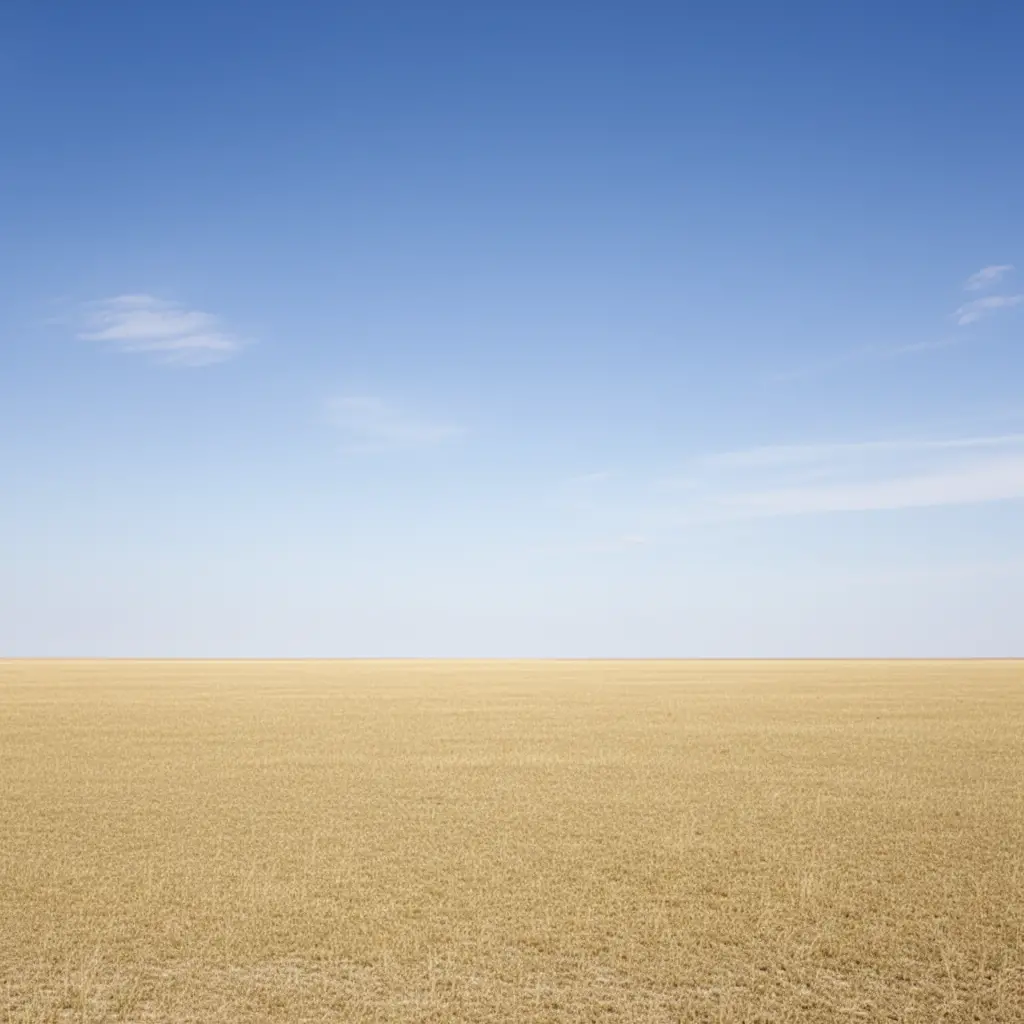
plain = flat (Old French) + common (Latin planus) → Latin → Old French → English. Imagine a vast, flat landscape stretching endlessly, representing simplicity and clarity.
Note 1: These definitions and etymologies are not standard dictionary definitions, but extended explanations provided to help with memorization and understanding of the actual application of words. Through this background information, we strive to make words more vivid and easier to understand, and help you remember their meanings in real life.
Note 2: LexiTalk designs the learning flow around the linguistics principle of “Comprehensible Input.” When learners encounter material that is slightly above their level but still understandable from context, the brain naturally absorbs the language. That’s why we keep every word inside authentic contexts, using examples and associations to help you understand it and use it flexibly.
Read the FAQ explanation of Comprehensible InputStarting with my hand on a plain page, I move the pencil and steady my breath. I push a simple line across the surface, letting nothing else creep in as I keep the motion steady. The edge feels bare and clear, as if the page has shrugged off its frills. In real use, I keep things plain when I want ideas to land without noise, photos, or color.
Plain is a versatile English word with three core senses: it can mean simple and clear, not decorated or elaborate, or it can refer to a flat, open landscape. In everyday speech you might describe a room, a meal, or a language as plain when you want to highlight lack of ornament or complexity. It also appears in idioms like plain sailing or plain truth, where the nuance shifts toward straightforwardness or honesty. Learners often confuse plain with plane (a different word) or mistake its use for a negative tone; context usually resolves the meaning, so it’s important to note whether plain is describing appearance, content, or geography.
In English, plain centers on simplicity and lack of decoration or complexity, with geographic and idiomatic uses that color tone; learners often mistake plain for plain, thinking it always means boring or negative, or misplace it in idioms where it means straightforward rather than plain appearance.
Which sentence uses 'plain' correctly?
What is a synonym for 'plain'?
What is an antonym for 'plain'?
How would you use 'plain' in a real-life context?
Download LexiTalk app for personalized learning experience
Download AppCookies
We use cookies for essential site functions, analytics, and ads. You can accept, reject, or manage preferences. Privacy Policy