
plasma - Master This Word
Master this word with our 5-step learning method – Learn English in English
Train English Through Brain Routes, Not Translation.
This page helps you stop memorizing isolated translations and start understanding a word through its shared mental image, native-style thinking, and practical training steps.
Master this word with our 5-step learning method – Learn English in English
Example sentences are the start of understanding. Don't rush to memorize. First feel how the word works in a sentence.
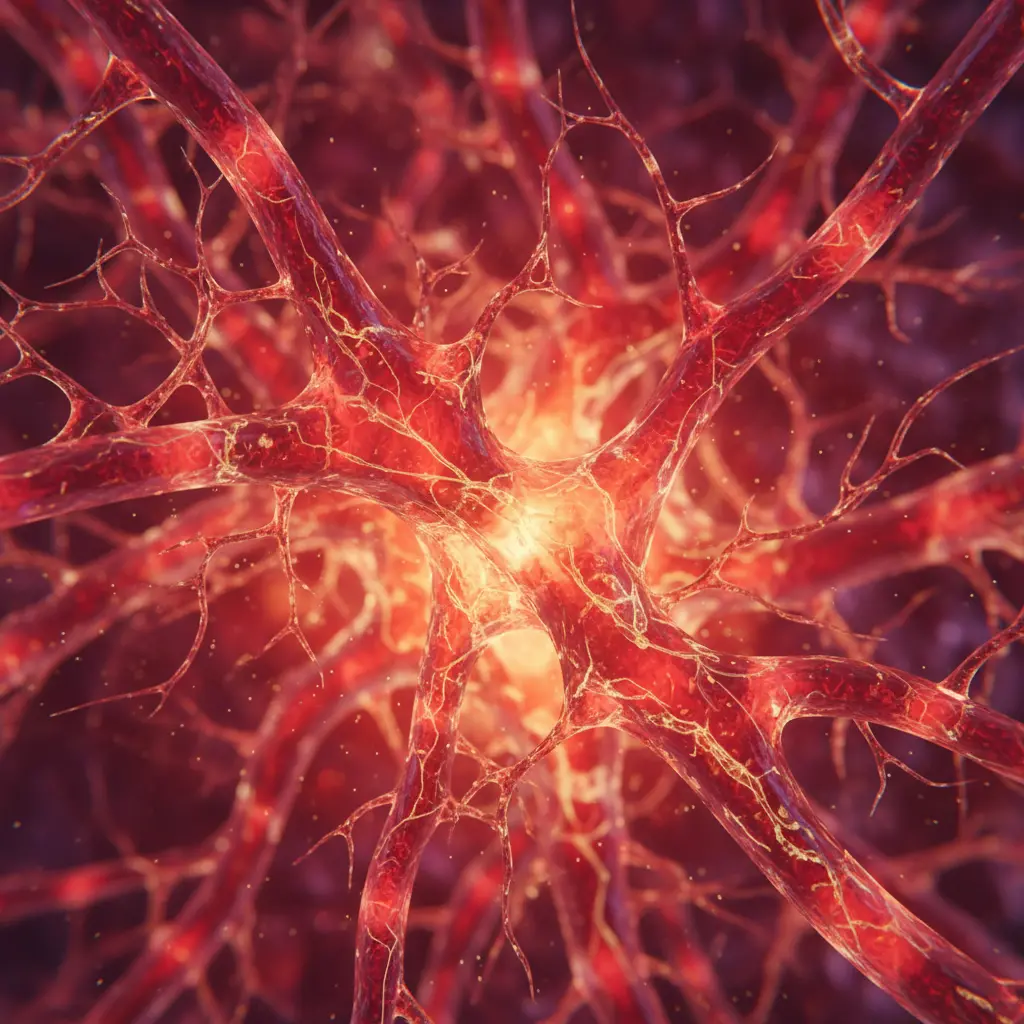
From Greek 'plasma' (something molded or formed) + 'plasma' (referring to the liquid part of blood). Visualize a vibrant red liquid that flows through veins, constantly shaping and nourishing life, resembling the way melted material takes form.
Note 1: These definitions and etymologies are not standard dictionary definitions, but extended explanations provided to help with memorization and understanding of the actual application of words. Through this background information, we strive to make words more vivid and easier to understand, and help you remember their meanings in real life.
Note 2: LexiTalk designs the learning flow around the linguistics principle of “Comprehensible Input.” When learners encounter material that is slightly above their level but still understandable from context, the brain naturally absorbs the language. That’s why we keep every word inside authentic contexts, using examples and associations to help you understand it and use it flexibly.
Read the FAQ explanation of Comprehensible InputPlasma has several related meanings in English. It is the liquid component of blood, often called blood plasma, which carries nutrients and hormones. In science, plasma is a state of matter distinct from solid, liquid, and gas, formed when a gas is energized enough to ionize its atoms. In physics and astronomy, plasma is the ionized gas found in stars and in neon signs, where electrons are free to move. The etymology traces to Greek plasma meaning 'something molded or formed', echoing how plasma as a substance can shape processes inside living bodies or in stellar materials.
Explain to an English speaker by highlighting the three distinct senses of plasma (blood plasma, plasma as a state of matter, and ionized gas) and note the scientific terminology and common collocations.
What is the meaning of the word 'plasma'?
Which of the following sentences uses 'plasma' correctly?
What is a synonym for 'plasma'?
What is the opposite of 'plasma'?
How is 'plasma' used in real-world scientific research?
Download LexiTalk app for personalized learning experience
Download AppCookies
We use cookies for essential site functions, analytics, and ads. You can accept, reject, or manage preferences. Privacy Policy