poet - Master This Word
Master this word with our 5-step learning method – Learn English in English
Train English Through Brain Routes, Not Translation.
This page helps you stop memorizing isolated translations and start understanding a word through its shared mental image, native-style thinking, and practical training steps.
Master this word with our 5-step learning method – Learn English in English
Example sentences are the start of understanding. Don't rush to memorize. First feel how the word works in a sentence.
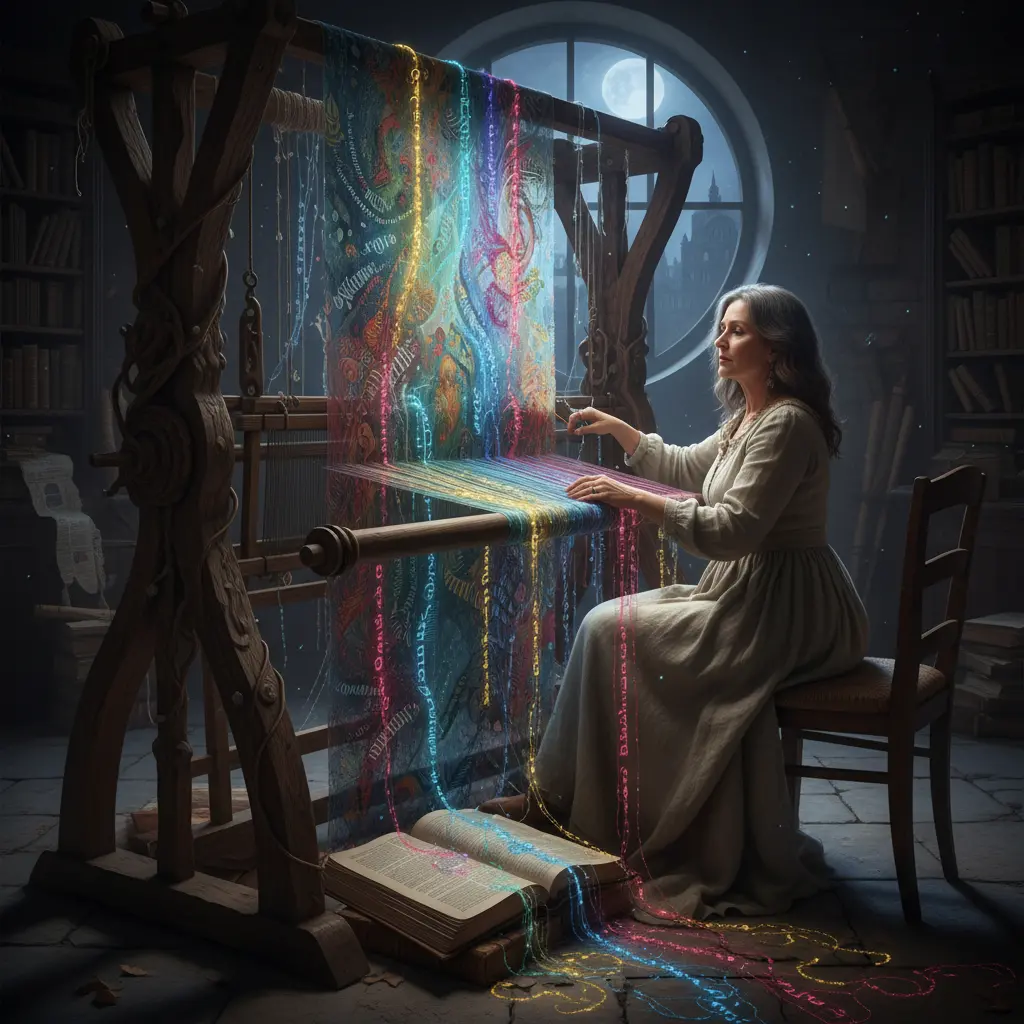
poet = po- (to make) + et (diminutive); Latin poēta → Old French poete → English. Imagine a poet weaving words like colorful threads into a tapestry.
Note 1: These definitions and etymologies are not standard dictionary definitions, but extended explanations provided to help with memorization and understanding of the actual application of words. Through this background information, we strive to make words more vivid and easier to understand, and help you remember their meanings in real life.
Note 2: LexiTalk designs the learning flow around the linguistics principle of “Comprehensible Input.” When learners encounter material that is slightly above their level but still understandable from context, the brain naturally absorbs the language. That’s why we keep every word inside authentic contexts, using examples and associations to help you understand it and use it flexibly.
Read the FAQ explanation of Comprehensible InputI lift a pencil and press it to the page, listening to my own breath. I move a line, shift a word, and place the rhythm where it sits best. When the line won’t settle, I adjust, push a little harder, and hold the sentence steady. In that quiet moment I feel the poet forming, someone who turns feeling into voice.
A poet is someone who writes poems, but the word also covers anyone who expresses ideas and emotions in a lyrical, musical way. Poets shape images with careful word choice, rhythm, and sometimes metaphor, drawing on personal experience, nature, history, or social topics. In many cultures poets are seen as observers, commentators, or artists who shape language as a craft. The term can refer to a specific person, such as a published poet, or to a broader kind of literary creator who works with verse or prose poetry. When you study the word, remember that poet is a respected identity as well as a creative role, not simply a hobbyist who loves verse.
In English, poet is a clear, professional identity that can stand alone or be part of a larger category like 'poet laureate' or 'poet and novelist'. Some learners assume poets must be famous or strictly traditional; in many cultures, poets are everyday creators or performers. English also contrasts poet with 'poetry' as the field and 'poem' as a single work.
What is the meaning of the word 'poet'?
How is the word 'poet' used in a sentence?
Which of the following words is similar to 'poet'?
Which of the following words is the opposite of 'poet'?
In what real-life context might you encounter a poet?
Download LexiTalk app for personalized learning experience
Download AppCookies
We use cookies for essential site functions, analytics, and ads. You can accept, reject, or manage preferences. Privacy Policy